 The Aporia
The Aporia
The Aporia
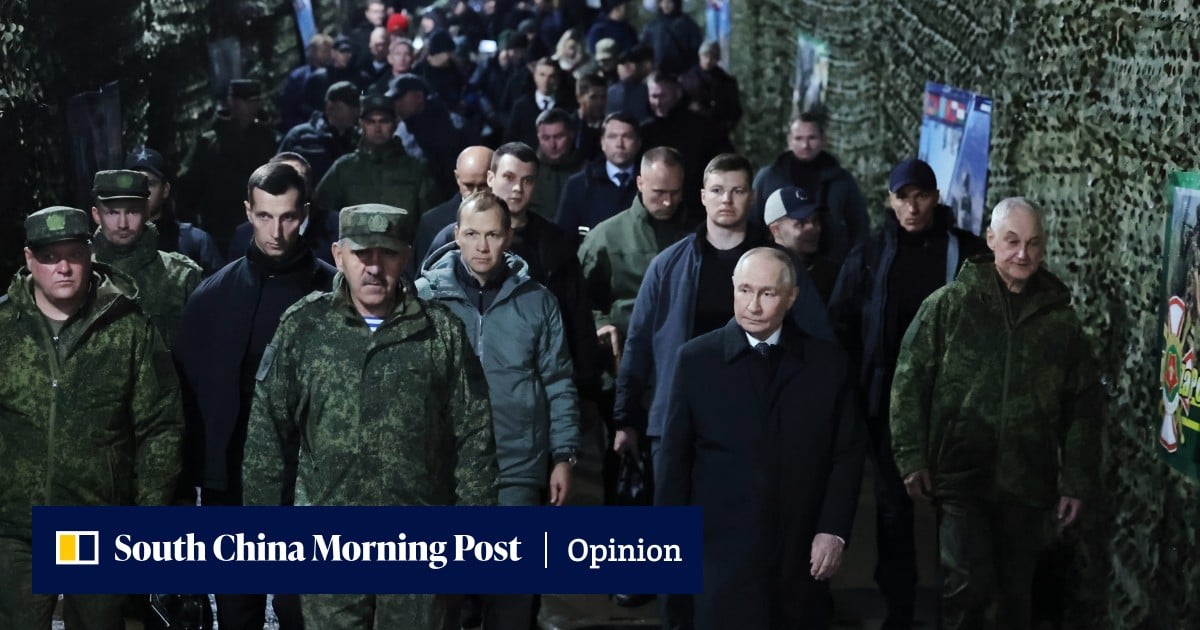
Dr Patrick Mendis, a Harvard-affiliated scholar, argues that recent military exercises involving Russia, China, and other nations signal a new era of strategic deterrence. Russian President Vladimir Putin observed the final stage of the large-scale Tsentr-2026 military exercise in the Urals, which involved over 47,000 troops, including those from China, Belarus, and others. This came as Chinese forces were simultaneously training with Russian and Belarusian troops elsewhere. These exercises incorporate lessons learned from Russia's invasion of Ukraine. Mendis suggests these developments are linking previously distinct strategic theaters in Eurasia, particularly the Euro-Atlantic region and East Asia, highlighting a growing interdependence between China and Russia in military affairs.
The catalyst for this new architecture of deterrence in an age of fragmented interdependence lies less in China than in Russia
From Russia’s invasion of Ukraine to Chinese military exercises with Belarus – and now China’s participation alongside Russian and Belarusian forces in Tsentr-2026 – Eurasian developments are connecting two strategic theatres once considered largely separate: the Euro-Atlantic and Indo-Pacific.
