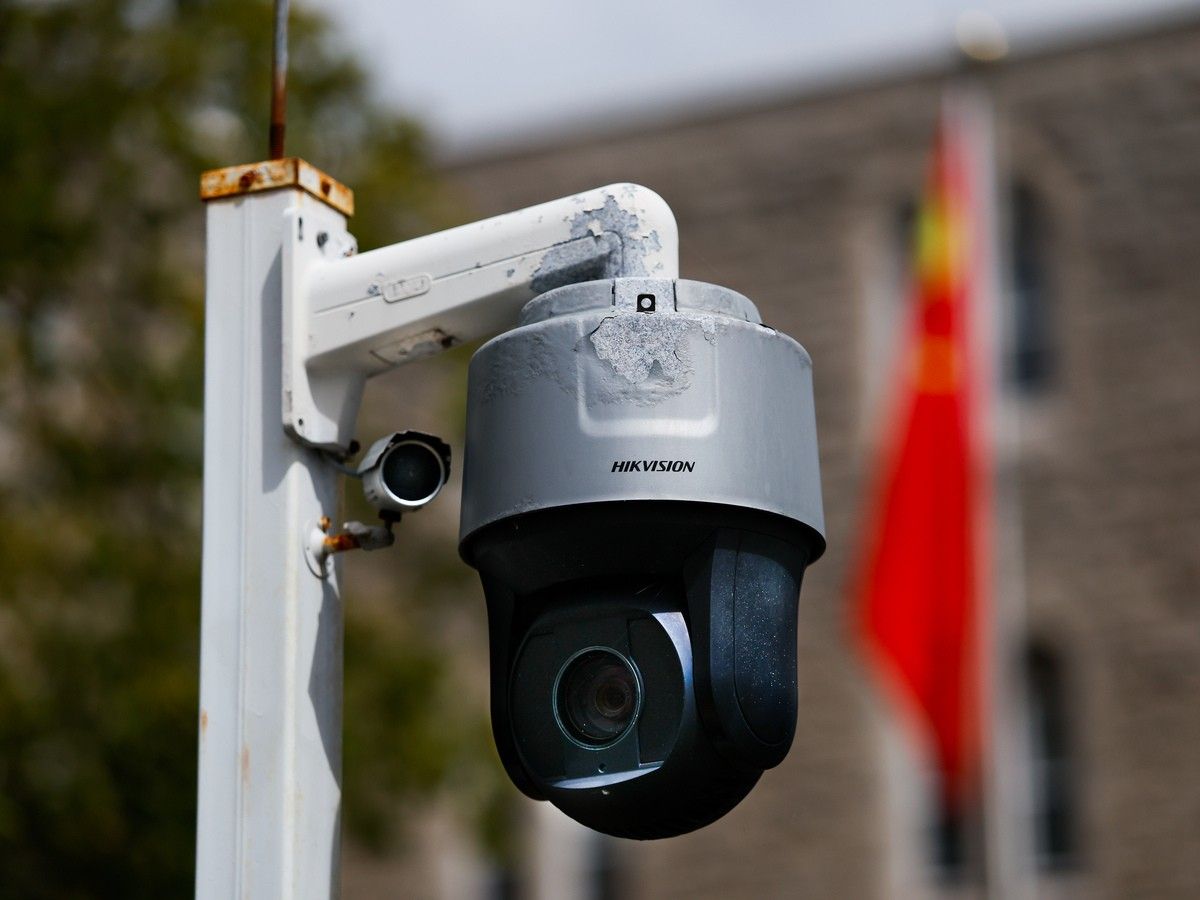
OTTAWA — In July 2025, a senior federal official delivered a stark warning in a court affidavit.
asserted
official → deliver → affidavit
Every day that Chinese surveillance camera giant Hikvision continues to operate in Canada is another day China could spy further on Canadians.
uncertain
China → continue → Canadians
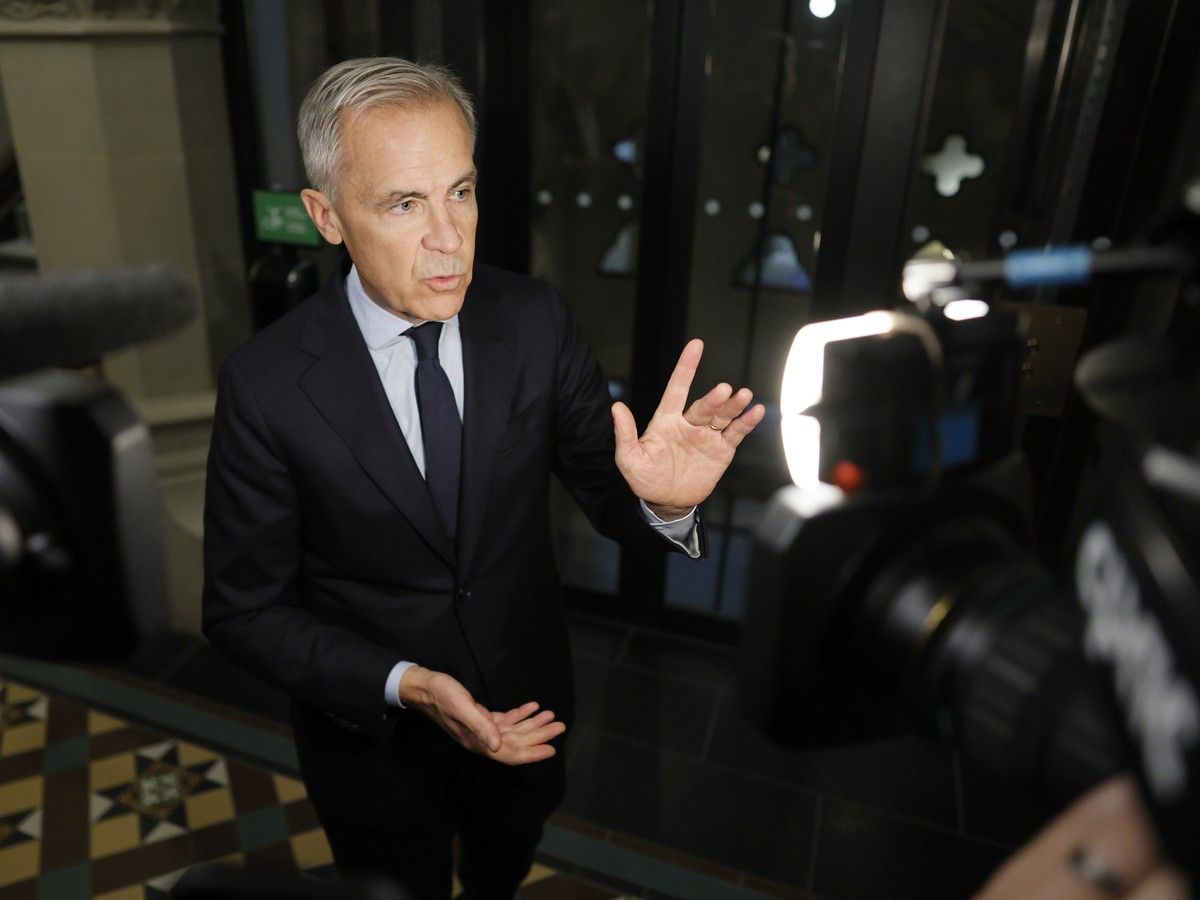
“The continued operation of Hikvision Canada leads to an increase of the capabilities of the PRC (People’s Republic of China) to conduct surveillance of Canadians and others in Canada,” swore Robert McCarty, a senior investment officer in the Innovation, Science and Economic Development (ISED) branch responsible for reviewing foreign investments.
asserted
McCarty → continue → investments
The potential espionage uses of the thousands upon thousands pieces of Hikvision surveillance equipment in Canada were numerous and unnerving, he warned.
asserted
he → warn → Canada
The PRC could use it to monitor specific people, collect “pattern of life” information or use the company’s artificial-intelligence powered tools for facial recognition, license place monitoring or even record audio and video of people meeting in public or private spaces, McCarty wrote.
uncertain
McCarty → use → spaces
At the time McCarty swore his affidavit, Hikvision had operated “illegally” in Canada for nearly one decade.
asserted
Hikvision → swear → decade
During that time, the Chinese giant catapulted from a relative newcomer to a “leader” in the Canadian security and surveillance gear market.
asserted
giant → catapult → market
By 2024, over a dozen federal government departments and agencies offices had Hikvision equipment deployed on their properties.
asserted
equipment → have → properties
Today, there are over 28,700 of the company’s devices connected to public-facing Internet connections in Canada (and likely far more on private connections), according to device search engine Shodan.
Hikvision is the most valuable manufacturer of “Internet of Things” surveillance equipment in the world, but also one of the most controversial.
uncertain
Hikvision → be → controversial
It is partly state-owned by the Chinese government and benefits from PRC subsidies that allow it to sell its equipment cheaper than most competitors.
asserted
it → own → competitors
But over the last decade, the company has been linked to multiple major cybersecurity vulnerabilities, is allegedly used by the Chinese government for mass surveillance of Uyghurs and other minority groups, and has been blacklisted by governments around the world over concerns about espionage and cybersecurity.
And yet, it was only in 2025 that the Liberal government took what appeared to be decisive action against the company that Canada’s security apparatus had viewed as a potential threat to national security for years.
uncertain
apparatus → link → years
In June 2025, Industry Minister Mélanie Joly issued a rare order demanding the company pack its bags and leave Canada.
asserted
company → issue → Canada
In the confidential order obtained by National Post, the government laid out five broad reasons for the ban.
asserted
government → obtain → ban
Those include Chinese laws compelling companies to spy for the government, Hikvision’s proximity to the PRC and its ability to access end user data is some cases.
asserted
proximity → include → data
All issues security analysts, other Western governments and even Canada’s intelligence apparatus had been warning about for years.
asserted
analysts → warn → years
The Hikvision case raises serious questions about how the federal bureaucracy guards itself against technology it considers harmful, and if it heeds the advice of its own security agencies.
asserted
it → raise → agencies
Hikvision is one of only a handful of companies that the federal government has moved to outright ban from Canada due to national security concern.
asserted
government → move → concern
Details — including confidential and classified information — revealing the process behind-the-scenes are laid out in thousands of pages of Federal Court documents as part of Hikvision’s legal battle to remain in Canada.
asserted
Details → include → Canada
In both the court documents and a statement, Hikvision denied all the government’s concerns regarding the safety of its equipment and said it could not use its gear to spy on Canadians on behalf of China.
uncertain
it → deny → China
“The existing court submissions accurately reflect the company’s stance that there is no evidence that our products or operations pose a national security risk in Canada.
asserted
products → exist → Canada
We continue to expect a fair and transparent environment for all businesses and investors in the country,” Hikvision told National Post.
asserted
Hikvision → continue → Post
Until Hikvision’s lawsuit, much of the government’s grave concerns about the Chinese company were locked away from the eyes of the public.
asserted
much → lock → public
Even the government’s 2025 order in council justifying the Hikvision ban is still marked as “privileged information and cannot be published” online.
asserted
order → justify → information
The information reviewed by National Post invites scrutiny into how the federal government reviews foreign investments in Canada that could be injurious to national security.
uncertain
that → review → security
That’s because, despite repeated warnings from its security and intelligence apparatus about Hikvision gear, copious public reporting detailing security vulnerabilities in Hikvision cameras and the risk of espionage posed by the Chinese tech giant, ISED only launched a review of the company’s Canadian presence in 2024.
asserted
ISED → ’ → 2024
That’s when the department discovered the company had been operating “illegally” in Canada for nearly one decade, according to government court filings.
uncertain
company → ’ → filings
Hikvision had never notified ISED when it incorporated in 2014 and began operating in Canada in 2015, a mandatory step that allows Ottawa to review the investment for national security concerns.
asserted
Ottawa → notify → concerns
In court, the company said it wasn’t aware of the obligation at the time, which a judge dismissed in September 2025 as “no excuse” while declaring Hikvision to have “unclean hands.”
asserted
Hikvision → say → hands
CSIS and other Canadian security agencies have long warned about the espionage risk of some Chinese tech.
asserted
CSIS → warn → tech
But those concerns spiked when the Chinese government adopted a National Intelligence Law in 2017 that requires local companies to “support, cooperate with and collaborate” with the China’s intelligence efforts if required.
asserted
that → spike → efforts
Another key government concern was Hikvision’s participation as a “Tier One Technical Support Unit” in China’s cybersecurity vulnerability reporting program run by the government’s Ministry of State Security.
asserted
concern → run → Security
Not only did the company fail to disclose its voluntary participation in the program early in ISED’s review, the government charged, but the PRC is suspected of passing on reported cyber vulnerabilities to its “hacking teams” before disclosing them publicly.
asserted
PRC → fail → them
In its lawsuit, Hikvision Canada said it complies with all Canadian privacy laws and regulations and is “not subject to PRC law”.
asserted
it → say → law
It argued that it “cannot” be compelled by the PRC to provide end user data or any other information, nor had it ever received any such request from the Chinese government.
asserted
it → argue → government
The company also fiercely opposed the government’s position that it could access users’ data, arguing that it had essentially no way to access such information.
uncertain
it → oppose → information
Furthermore, it said its participation in China’s cyber reporting program was aligned with industry norms.
asserted
participation → say → norms
Ottawa’s national security concerns about Hikvisions are simply “speculation,” the company charged.
asserted
company → charge → Hikvisions
Despite that, in early 2025, Hikvision offered a series of concessions to ISED in order to avoid a ban.
asserted
Hikvision → offer → ban
Court records show the company proposed six undertakings, including adhering to Canadian privacy laws, appointing Canadian citizens to its board and issuing “transparency reports.”
asserted
company → show → reports
But the offer did not sway Ottawa.
asserted
offer → sway → Ottawa
…and 42 more, not listed.
 The Aporia