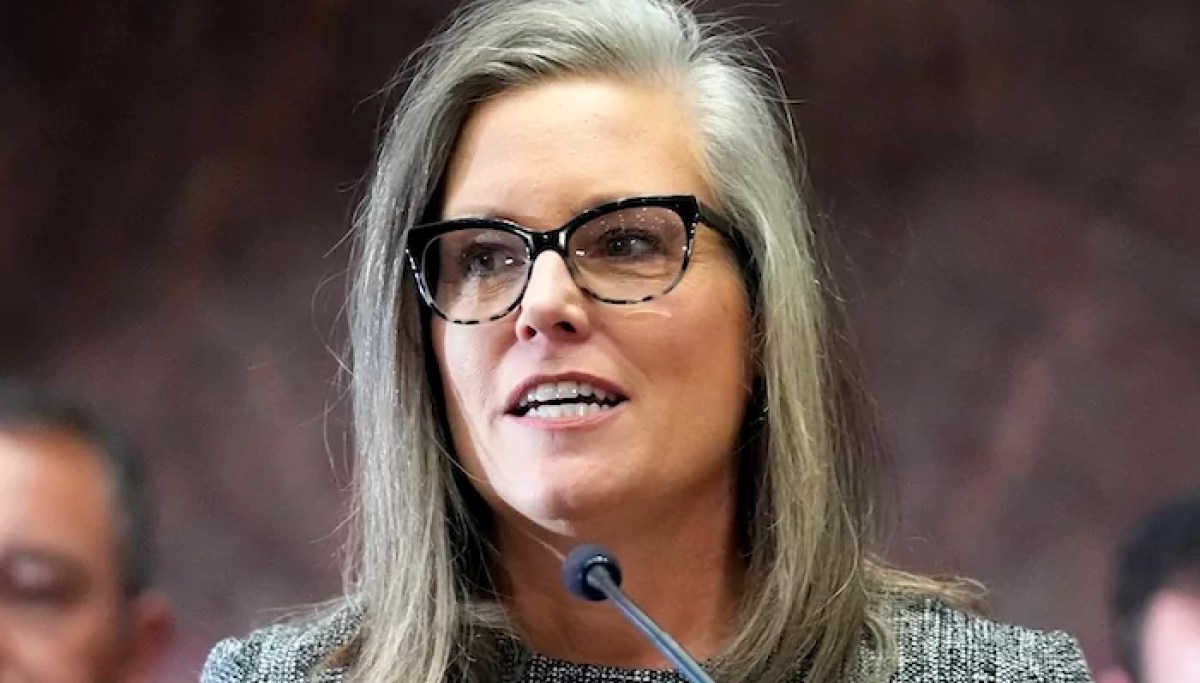
Arizona Gov. Katie Hobbs (D-AZ) should debate her Republican opponent, Rep. Andy Biggs (R-AZ).
asserted
Hobbs → debate → opponent
I also understand why she won’t.
asserted
she → understand → ?
Four years ago, Hobbs refused to debate Republican Kari Lake during their race for governor.
asserted
Hobbs → refuse → governor
She took plenty of criticism for it.
asserted
She → take → it
Reporters repeatedly pressed her to reconsider.
asserted
Reporters → press → her
Hobbs argued that appearing onstage with Lake would produce a spectacle rather than a useful discussion of the issues.
asserted
appearing → argue → issues
Recommended Stories
Then Hobbs won.
asserted
Hobbs → win → ?
The lesson was hard to miss: refusing to debate might generate some bad headlines, but voters may not care enough to punish you for it.
uncertain
voters → miss → it
It is the incentive her decision exposes.
asserted
decision → expose → ?
Why should candidates debate if voters do not care whether they do?
asserted
they → debate → ?
Now Hobbs is running for reelection, and her campaign has announced that she will not debate Biggs.
asserted
she → run → Biggs
Her campaign says face-to-face interaction with Arizonans is more useful than participating in a forum built around short soundbites and political theater.
asserted
interaction → say → soundbites
Hobbs’s campaign has also criticized Biggs for skipping debates and forums.
asserted
campaign → criticize → debates
Yet Hobbs herself has now declined to debate him.
asserted
Hobbs → decline → him
That is difficult to square.
asserted
That → square → ?
If Biggs owed Republican voters a debate during the primary, why does Hobbs not owe Arizona voters one during the general election?
asserted
Hobbs → owe → election
Politicians respond to incentives, and increasingly those incentives favor staying off the debate stage.
asserted
incentives → respond → stage
President Donald Trump made essentially the same decision during the 2024 Republican presidential primaries.
asserted
Trump → make → primaries
He was the dominant candidate and skipped every debate.
asserted
He → skip → debate
His opponents stood onstage arguing with one another while the candidate leading them all decided there was little reason to participate.
asserted
candidate → stand → them
He went on to win the Republican nomination easily.
asserted
He → go → nomination
The calculation is simple: a strong performance may help a little, while a terrible one can damage a campaign overnight.
uncertain
one → help → campaign
That may sound cynical, but campaign professionals are paid to win elections, not to preserve political traditions.
uncertain
professionals → sound → traditions
There is evidence that debates have been disappearing for years.
asserted
debates → be → years
A Brookings Institution analysis of the five most competitive U.S. Senate races found 17 debates in 2010.
asserted
analysis → find → 2010
In 2022, only six had been held or scheduled at the time the analysis was published.
asserted
analysis → hold → time
Which raises a harder question: If we really believe debates are important, why do we make refusing them so easy?
asserted
refusing → raise → them
We routinely say candidates should debate.
asserted
candidates → say → ?
Editorial boards say it.
asserted
boards → say → it
Political opponents say it.
asserted
opponents → say → it
Voters say it.
asserted
Voters → say → it
Then a candidate refuses, the election arrives, and many of us vote exactly as we would have voted if the debate had taken place.
asserted
debate → refuse → place
Candidates notice.
asserted
Candidates → notice → ?
Few voters will abandon their views on taxes, abortion, immigration, or education over a debate invitation.
asserted
voters → abandon → invitation
Refusing to debate should carry some political cost.
asserted
Refusing → refuse → cost
Supporters can object, editorial boards can make the refusal part of their evaluations, and reporters can keep asking why a candidate seeking public office will not face an opponent.
asserted
candidate → object → opponent
Without that pressure, debates stop being an expected part of running for office and become just another campaign tactic: participate when the possible reward outweighs the risk and decline when it does not.
asserted
it → stop → risk
For an hour or two, candidates have to occupy the same space.
asserted
candidates → have → space
One can challenge something the other just said.
asserted
other → challenge → something
A moderator can press for an answer.
asserted
moderator → press → answer
…and 16 more, not listed.
 The Aporia