That is 0 articles you have read today.
The Aporia is free and carries no advertising, so readers are the only
thing paying for it. If you are getting this much out of it, a small
donation is what keeps it independent.
Daily limit reached
You have read 0 articles today.
That is more than the 15 a day The Aporia gives away,
and well past what it can carry on nothing. Your allowance resets at
midnight.
There is no advertising here and nothing about you is sold, so readers
are the only thing paying for it. If the site is worth this much of
your day, it is worth a few dollars.
Everything else stays open: the
maps, the
directory and
search do
not count against this, and neither does re-opening something you have
already read today.
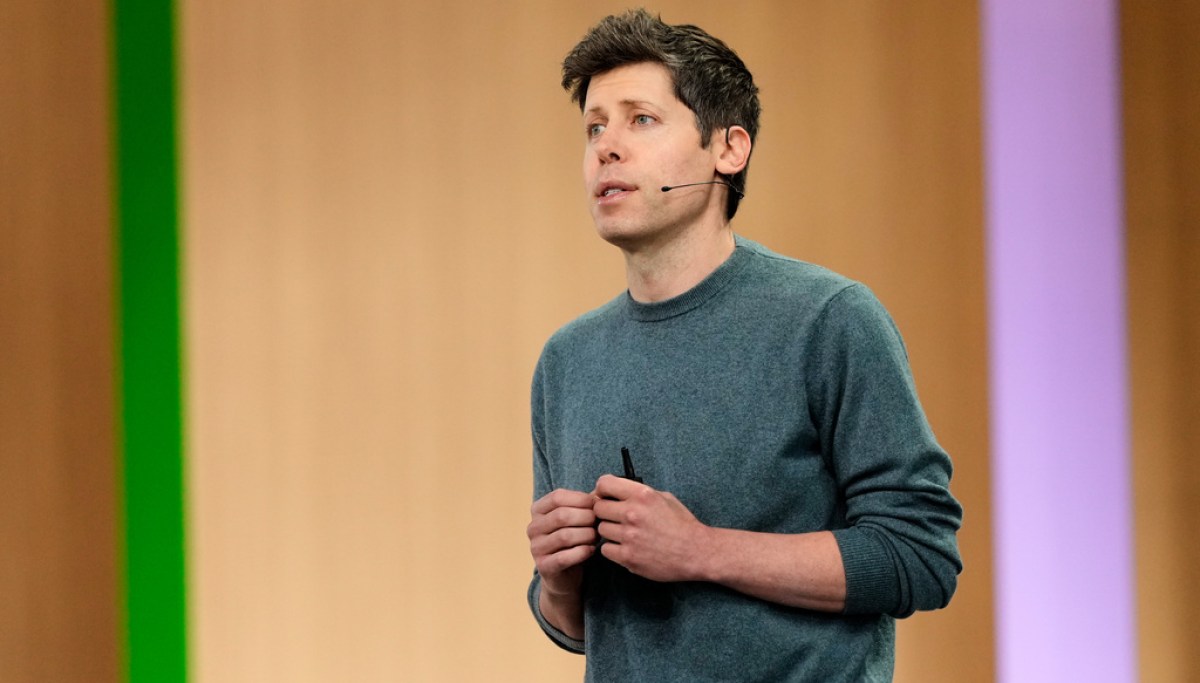
OpenAI announced it had banned several ChatGPT accounts in Russia and Iran that were being used for covert influence operations. In Russia, a supposed think tank was using fake documents and audio scripts to undermine Ukraine’s reputation and local political outcomes in Latin America. In Iran, seven fake journalist personas created articles on the U.S.-Iran conflict and posted social media comments, aiming to launder geopolitical messaging into their target audiences. OpenAI disclosed these actions as part of its commitment to transparency amid growing public concern over AI misuse.
Written locally by qwen2.5:14b on 2026-10-09,
using this article's own text rather than the other coverage of the
same event (that is the story summary below).
Story summary
OpenAI recently banned ChatGPT accounts used by actors in Russia and Iran for covert influence operations. In Russia, operatives created a fake Latin American think tank and generated false documents and audio scripts to undermine Ukraine’s reputation and sway local politics. The Iranian operation involved seven fake journalist personas from Western countries that pitched long-form articles to small to medium-sized media outlets focused on international affairs and the Middle East. OpenAI identified nearly 100 articles published or syndicated across around a dozen online platforms under these fake bylines. Both operations utilized ChatGPT extensively, with Russian actors also drafting internal reports using the AI tool. The company’s efforts highlight how easily state-backed entities can exploit widely available AI technologies for propaganda purposes.
Written for “OpenAI Bans Russian Iranian Influence…” on 2026-10-09,
grounded in this article and the 2 other(s) covering the same event.
Why this leaning score
The article's own words the score was based on. Each is quoted
verbatim and was checked against the article text before being
stored, so you can find it in the original.
Leaning: leans right for article 67194 (high confidence, 2 verified quotes) · logged 2026-10-09
Claims extracted
14
claim-shaped sentences
Uncertain
7%
1 of 14 hedged
Leaning
Leans right
of the writing, not the subject · beta estimate
Correction & hedging signals
72.4
corrections and hedging in what we collected;
not a measure of accuracy
Outlets on this story
3
Politics
Narrative spread
1
articles carrying this framing
OpenAI cracked down on threat actors in Russia and Iran that made use of the company’s chatbot to support “false front” entities designed to carry out covert influence operations around the world.
asserted
that → crack → world
The frontier artificial intelligence lab disclosed its efforts in a safety report on Thursday as the general public’s concerns about the advanced technology abound.
asserted
concerns → disclose → technology
Those behind the Russian operation ran a supposed think tank as a front organization in Latin America and created fake leaked documents and audio scripts.
asserted
Those → run → documents
The foreign actors used ChatGPT to undermine “Ukraine’s reputation in the region” or influence “local political outcomes,” OpenAI said.
asserted
OpenAI → use → outcomes
Meanwhile, the Iranian operation involved seven fake journalist personas that were used to pitch long-form articles to news outlets.
asserted
that → involve → outlets
The articles in question focused on the U.S. war against Iran, according to OpenAI.
uncertain
articles → focus → OpenAI
The operation, which the AI firm dubbed “Bogus Bylines,” also generated social media comments on the geopolitical conflict.
asserted
firm → dub → conflict
OpenAI banned numerous ChatGPT accounts that originated in Russia and Iran.
asserted
that → ban → Russia
Both operations, particularly the one in Russia, made use of the chatbot to draft internal reports.
asserted
operations → make → reports
The company said the goal of the influence operations was to “launder geopolitical, conflict-related messaging into their target audiences.”
asserted
goal → say → audiences
OpenAI explained that by reporting the “false front” operations, it hopes to “make further research and disruption easier — and make continuing the operations harder.”
asserted
continuing → explain → operations
OpenAI and Anthropic, two of the top AI developers in the United States, have been committed to the principle of transparency in light of recent events that worried lawmakers and consumers about the future of the technology.
asserted
that → commit → technology
Like its competitor, Anthropic has released similar safety reports.
asserted
Anthropic → release → reports
The company’s latest threat intelligence report raised the alarm about how foreign actors have misused its frontier AI models to research and develop biological weapons, among other areas of concern.
asserted
actors → raise → concern
 The Aporia