The article reports that after President Trump ordered the renaming of Lake Ontario on digital maps, Google and Apple complied with the directive, which led to a backlash from users concerned about digital privacy and Big Tech influence. This controversy has boosted interest in alternative mapping services, notably MapQuest and TomTom for drivers, as well as HERE WeGo, seen by some as the closest competitor to Google Maps in features and functionality.
Written locally by qwen2.5:14b on 2026-10-08,
using this article's own text rather than the other coverage of the
same event (that is the story summary below).
Log in
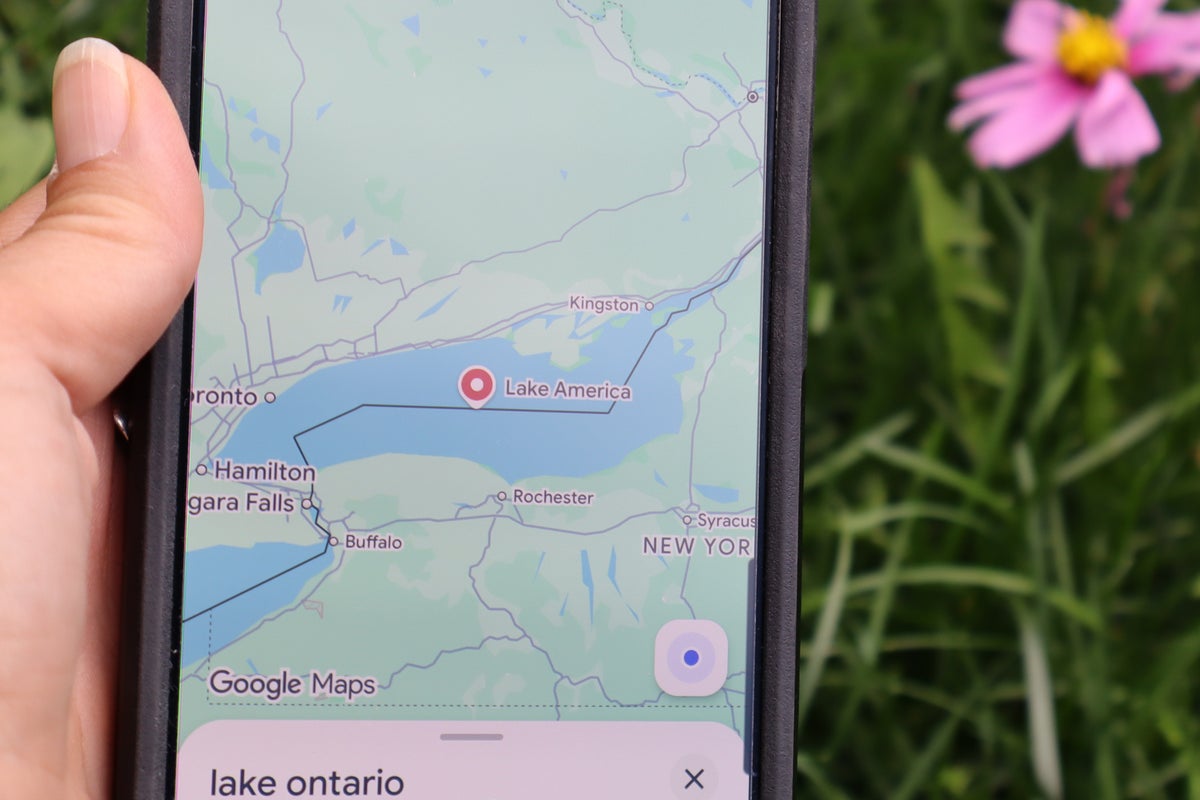
Just because Google and Apple are now calling it Lake America doesn't mean everyone has to.
asserted
everyone → log → it
After President Donald Trump ordered a new name for Lake Ontario, the two U.S. tech giants quickly relabeled the body of water on their digital maps.
asserted
giants → order → maps
The move sparked a backlash among some users, already unhappy with the companies' decisions to rename the Gulf of Mexico to the Gulf of America on their maps following a previous Trump edict.
asserted
move → spark → edict
The controversy and lingering worries about digital privacy have fueled interest in map services that aren't from Big Tech companies, especially Google Maps, which is the dominant player with about 80 percent of the market, according to most estimates.
uncertain
which → linger → estimates
Here’s a rundown of some of the most popular free map app alternatives:
asserted
rundown → ’ → alternatives
MapQuest
MapQuest has been around for three decades but was overtaken by the rise of Google.
asserted
MapQuest → overtake → Google
It's now owned by California company System1.
asserted
It → own → System1
Downloads of the MapQuest app surged in early September after Apple renamed Lake Ontario, topping the free app charts in both the U.S. and Canada on Apple's App Store.
asserted
Apple → surge → Store
The MapQuest app has real-time traffic updates and turn-by-turn route guidance, and shows what's nearby, like gas stations and coffee shops.
asserted
what → have → stations
But people in other countries can still use the MapQuest website.
asserted
people → use → website
The company is currently looking into making MapQuest more broadly accessible, after receiving requests for the app from “people in multiple countries," spokesperson Anne Brownlee said.
asserted
Brownlee → look → countries
Another granddaddy in the mapping world, TomTom helped popularize GPS route mapping with the 2004 release of its TomTom GO, which the Dutch company says was the world’s first all-in-one portable satellite navigation device.
asserted
company → help → one
TomTom still sells physical devices but it also has a free map app for Google and Android phones that is designed “exclusively for drivers” with live traffic data and info on road hazards.
asserted
that → sell → hazards
But its focus on drivers means there are no other route options such as walking or cycling.
asserted
focus → mean → walking
HERE WeGo
HERE WeGo has been hailed by some as the closest non-Big Tech alternative to Google Maps.
asserted
WeGo → hail → Maps
It began life as Nokia Maps and is now owned by a consortium of German carmakers including Audi, BMW, and Mercedes-Benz.
asserted
It → begin → Audi
The free app, available for both iOS and Android devices, offers many of the same features as Google Maps.
asserted
app → offer → Maps
Like Google Maps, drivers can add multiple stops to routes and users can choose different maps views like terrain, traffic and satellite — but there's no Street View.
asserted
users → add → terrain
If mobile signal is spotty or nonexistent, users can download country maps to navigate offline.
asserted
users → download → maps
Offline maps can also be downloaded on Google Maps, but the area is limited and they expire after a year.
Europe
asserted
they → download → year
HERE WeGo is just one of many lesser-known map apps based in the European Union that embrace the bloc’s strict privacy framework known as GDPR.
asserted
that → know → GDPR
Unlike Google, they don’t rely on vacuuming up masses of user data to sell ads targeted at those users.
asserted
they → rely → users
HERE WeGo's business model is based on licensing deals with businesses like trucking companies.
asserted
model → base → companies
Others sell premium subscriptions alongside free versions.
asserted
Others → sell → versions
Estonia's Organic Maps is completely free and based on data from the volunteer-run OpenStreetMap database.
asserted
Maps → base → database
Netherlands-based OSMand is similar, but a subscription is needed for more than just basic functions.
asserted
subscription → base → functions
Magic Earth is a Dutch route planner that says it never collects personal data or tracks user movements.
asserted
it → say → movements
Sygic, from Slovakia, is a GPS route navigation app that offers free offline maps, but you’ll have to buy a subscription to get extra features including traffic updates, speed camera warnings and a dashcam function.
asserted
you → offer → updates
Mapy.com, from a Czech technology company, is an outdoor route planner known for detailed hiking and trail maps that can be downloaded for use offline.
asserted
that → know → use
Citymapper is a free journey planning app that’s a major rival to Google Maps when it comes to finding the best routes around a city on public transportation.
asserted
it → ’ → transportation
The app covers 430 cities around the world and options include bus, subway and ferry routes as well as taxi, rental bike and scooter options.
asserted
options → cover → routes
This GPS navigation map is focused on providing route guidance for drivers.
asserted
map → focus → drivers
It’s known for crowdsourcing real-time traffic information such as car accidents and police speed cameras from other drivers.
asserted
It → know → drivers
Although it has its own distinct app and branding, Waze is actually owned by Google, which bought it in 2013.
asserted
which → have → 2013
 The Aporia