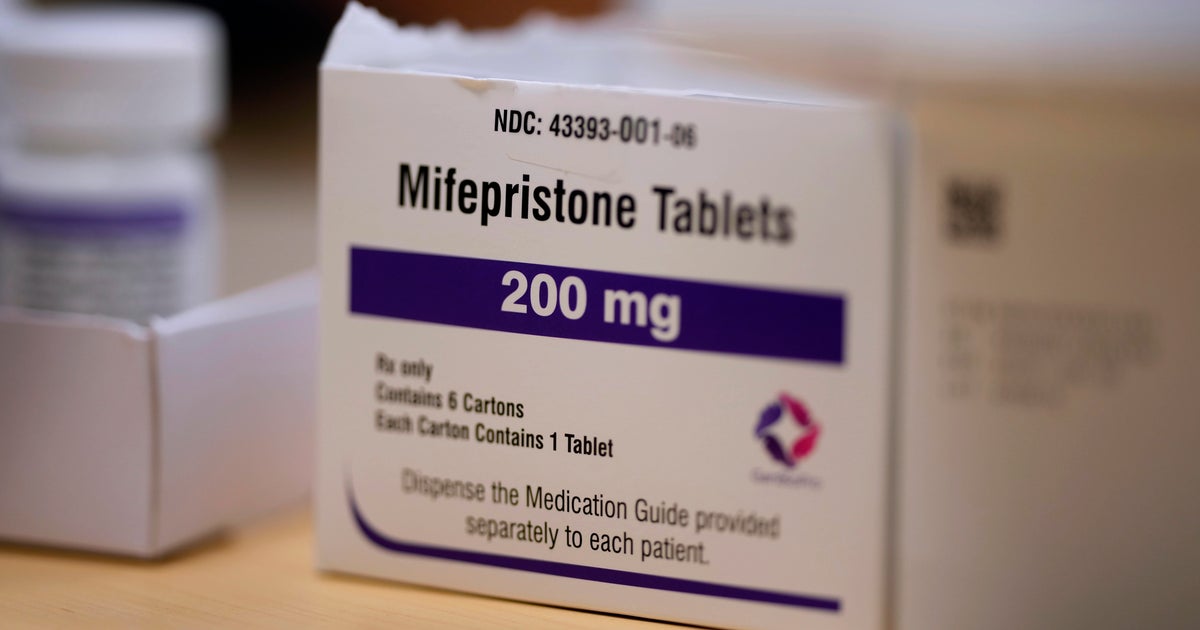
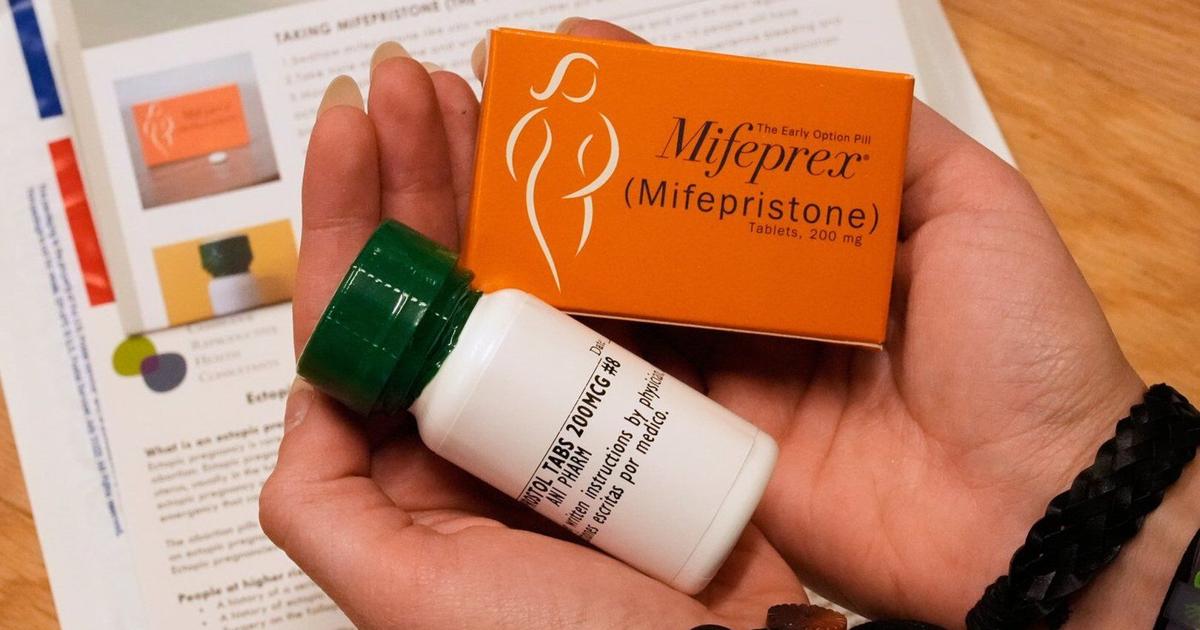
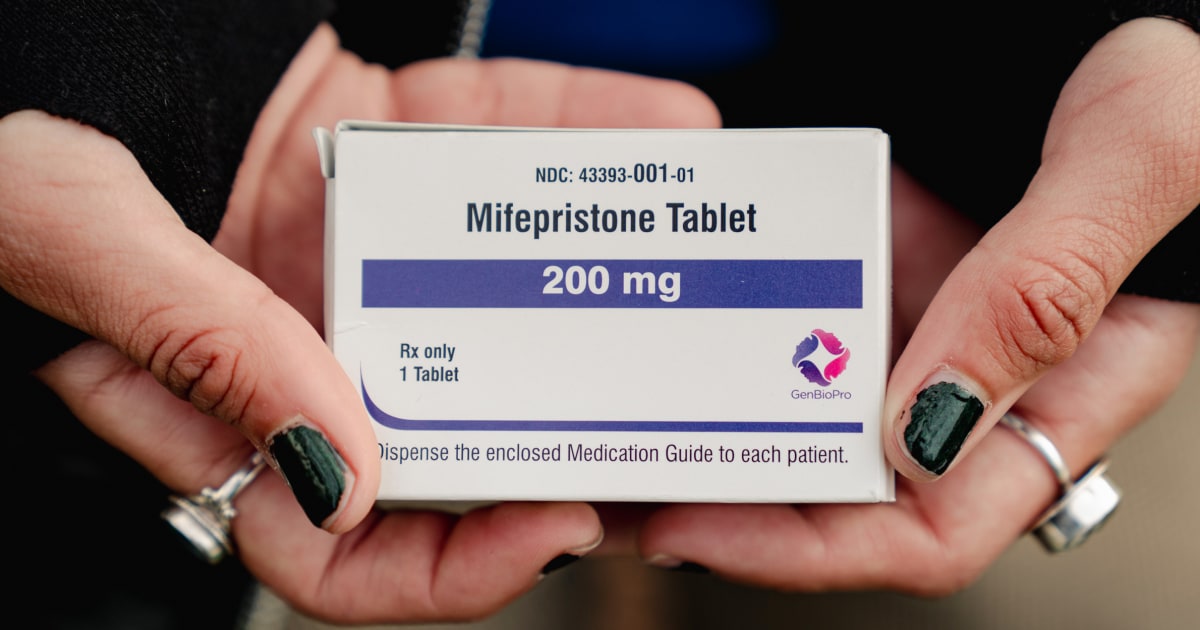
The Food and Drug Administration (FDA) announced that its review of mifepristone, commonly known as the abortion pill, will extend into next year. The FDA provided this update after being ordered by a federal judge in response to lawsuits from anti-abortion groups and states like Louisiana. Critics, such as Americans United for Life's Gavin Oxley, argue that this timeline reflects a lack of commitment to restricting the drug’s use. The FDA plans to complete a safety study by mid-December 2023 and issue a final report no later than March 2027 before deciding on any regulatory changes.
Written locally by qwen2.5:14b on 2026-10-08,
using this article's own text rather than the other coverage of the
same event (that is the story summary below).
Story summary
The FDA expects to complete its safety review of the abortion pill mifepristone by March 2027, according to a court filing made in response to a lawsuit brought by the state of Louisiana. The agency plans to compare mifepristone’s safety with surgical abortions up to 10 weeks gestation, analyzing data from approximately 100,000 women who have used the pill since its approval in 2000. Despite hundreds of peer-reviewed studies affirming its safety and effectiveness, recent political pressures under President Trump prompted a reevaluation of mifepristone's restrictions. The FDA temporarily lifted an in-person dispensation requirement for the drug but now may reconsider this decision based on new data gathered during the review process.
Written for “FDA Abortion Pill Review” on 2026-10-08,
grounded in this article and the 2 other(s) covering the same event.
Why this leaning score
The model judged this article politically coded and scored it -0.35, but 1 quote(s) could not be found in the article and the other 1 are attributed speech rather than the article's own narration, so the score is not published.
Written under an earlier scoring contract, which gave a paragraph
rather than checkable quotes. Re-analysing this article replaces it.
Leaning score withheld for article 65326: no verified evidence · logged 2026-10-08
The Food and Drug Administration says its
of the nation's main pill will continue into next year, a timeline that was quickly condemned by abortion rights opponents hoping to see the drug's use curtailed.
asserted
use → say → opponents
The FDA gave a court-ordered update on its progress in a legal filing late Wednesday, providing the first substantive information about the controversial reevaluation ordered by Health Secretary Robert F. Kennedy Jr.
was first approved by the FDA in 2000.
asserted
FDA → give → 2000
The agency has repeatedly reaffirmed the pill's safety and effectiveness over the years, in addition to easing a number of restrictions on the drug, including dropping a requirement that it be dispensed in person.
asserted
it → reaffirm → person
But since President Trump returned to the White House, anti-abortion rights groups and their allies in Congress have pushed the administration to revisit the pill, in the hopes of restricting its use.
asserted
groups → return → use
The FDA said in its filing that it expects to complete a safety study of the pill by mid-December this year.
asserted
it → say → -
A report on the findings is expected "no later than March 2027," after which the agency will decide whether to impose new restrictions or other changes on the drug's use.
asserted
agency → expect → use
Gavin Oxley, of Americans United for Life, an anti-abortion group, criticized the move as a lack of "true leadership" by Trump administration officials.
asserted
Oxley → criticize → officials
"The administration continues to find itself on the wrong side of women's health, clearly uninterested in mitigating the ongoing harms caused by the abortion pill," Oxley said.
asserted
Oxley → continue → pill
The two-drug regimen of mifepristone, combined with a second drug, misoprostol, is the most common form of abortion in the U.S.
asserted
regimen → combine → U.S.
The FDA was directed to provide the latest update by a federal judge in a case brought by the state of Louisiana alleging that mail delivery of mifepristone
.
asserted
FDA → direct → mifepristone
It's one of several state lawsuits related to mifepristone winding their way through the courts.
asserted
It → relate → courts
Last month, a three-judge panel for the 5th U.S. Circuit Court of Appeals questioned the merits of Louisiana's case, including whether the state had the legal standing to challenge the FDA's oversight of mifepristone.
asserted
state → question → mifepristone
Any ruling from the 5th Circuit on the Louisiana case wouldn't immediately change the landscape because the Supreme Court has blocked changes to the drug until it sees the case again.
asserted
it → change → case
The FDA said Wednesday it is using a "statistical data mining method" to discover "unknown safety concerns" that may exist with the drug.
uncertain
that → say → drug
The data comes from an electronic database that collects reports of medical injuries and drug side effects from major health networks and insurers.
asserted
that → come → networks
In addition to the safety study, the agency said it is considering a number of petitions proposing changes to how mifepristone is prescribed and distributed.
asserted
mifepristone → say → changes
Abortion opponents have focused most of their efforts on a 2021 decision allowing doctors to prescribe the drug online and send it through the mail during COVID-19.
asserted
doctors → focus → COVID-19
That decision, made permanent under President Joe Biden in 2023, had the effect of undermining a number of state abortion bans, since women can receive the drug through the mail.
asserted
women → make → mail
Asked in 2025 whether a review of mifepristone could lead to a ban, CBS News medical correspondent Dr. Celine Gounder suggested it would be difficult for the FDA to withdraw approval, an extraordinary step that would quickly draw legal challenges.
uncertain
that → ask → challenges
However, Gounder said that depending on what the safety review finds, it could make access more difficult, limiting the drug's availability through telehealth or by mail, or restricting the ability to prescribe it to doctors rather than physician assistants or nurses who are also currently able to prescribe it.
uncertain
who → say → it
 The Aporia