SEC MARCO RUBIO: The West forgot what made it great. We must rediscover our roots before we lose them

Read the original at Fox News ↗
Fox News · collected 2026-10-08 · by Marco Rubio analysis

Quick Summary

Senator Marco Rubio delivered a speech in Athens at the Pnyx hillside, emphasizing the historical significance of ancient Greece to Western civilization. He argued that the West is facing critical decisions that will determine its future dominance or decline. Highlighting the contributions of classical Greek philosophy and governance, Rubio stressed the importance of qualities like individuality, curiosity, and ambition, which he believes are essential for maintaining Western leadership in the world.
Written locally by qwen2.5:14b on 2026-10-08, using this article's own text rather than the other coverage of the same event (that is the story summary below).

AI analysis runs on qwen2.5:14b, locally

Story summary

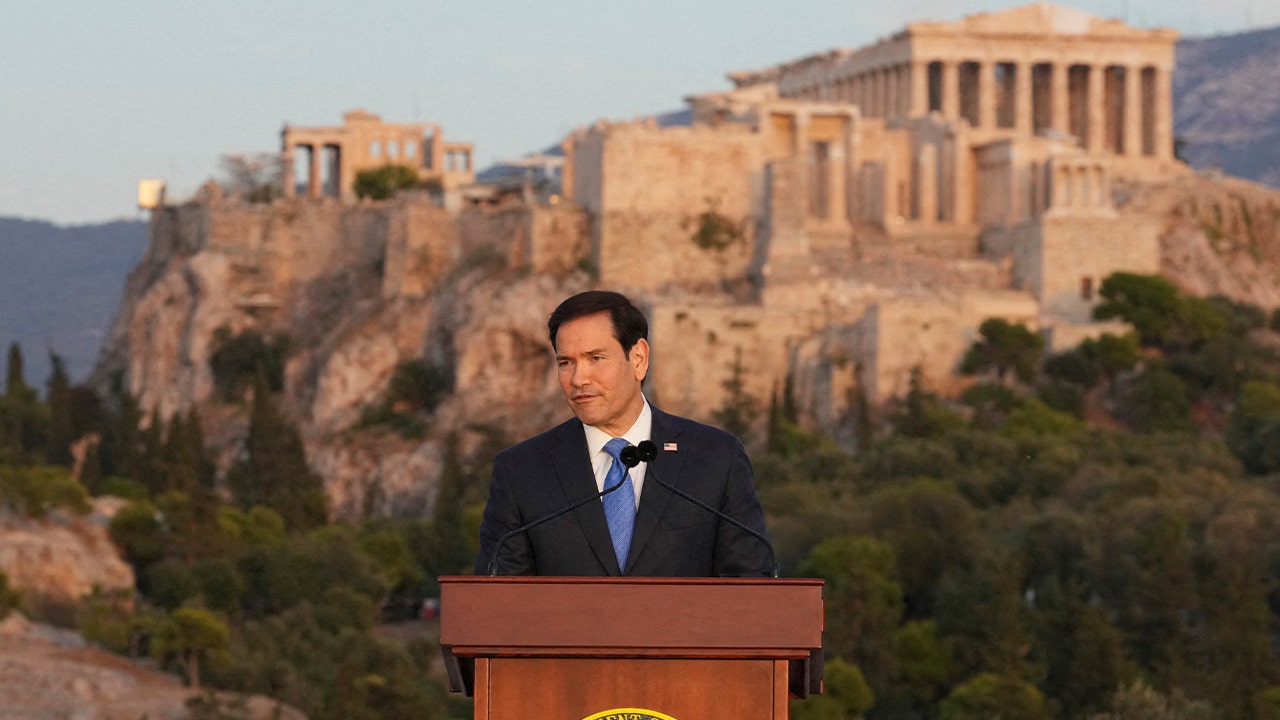
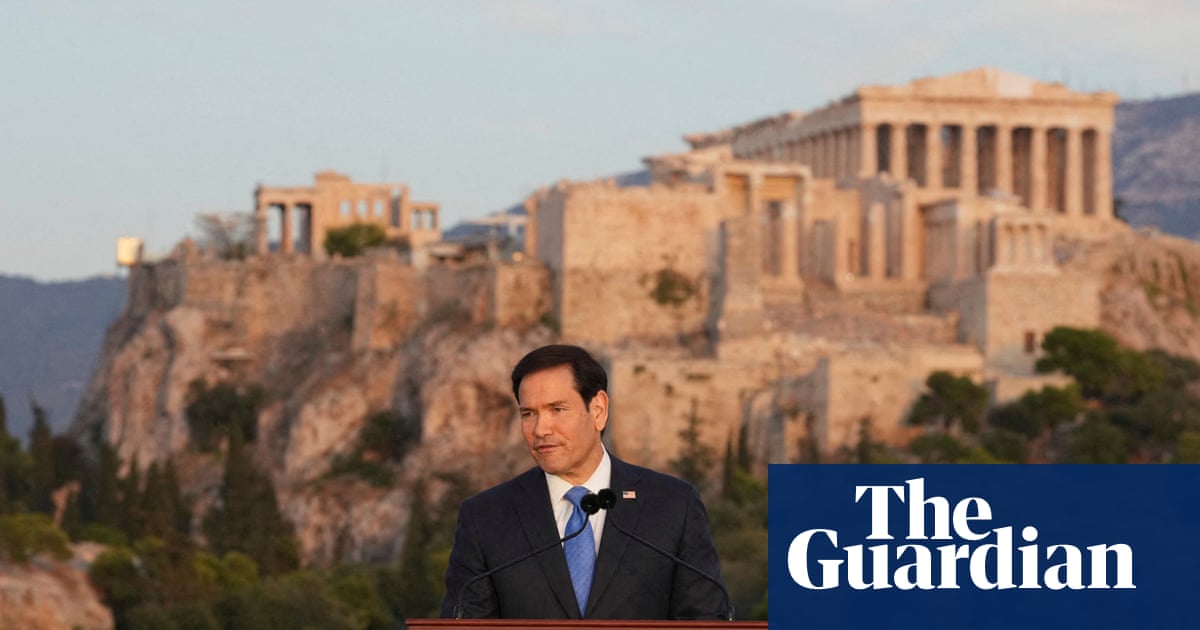
On October 7, 2026, Secretary of State Marco Rubio delivered a speech near the ruins of the Acropolis in Athens, Greece, calling for Western nations to return to their historical roots and embrace ancient Greek values such as courage, honor, and duty. This message was framed within the context of President Donald Trump's "America First" agenda. Standing before the symbol of democracy’s birthplace, Rubio warned that the West faces an inflection point where it must confront modern threats or risk decline. He emphasized the need for nations to defend their sovereignty while recognizing common interests, referencing contemporary challenges such as Russian and Chinese aggression. The speech also highlighted recent commitments by NATO members to increase defense spending, positioning these actions as a return to historical principles of national power and self-defense.

Written for “Rubio Speech Greece Western Values” on 2026-10-08, grounded in this article and the 11 other(s) covering the same event.
Why this leaning score
The article's own words the score was based on. Each is quoted verbatim and was checked against the article text before being stored, so you can find it in the original.
Reading Leans strongly right (beta estimate) Confidence high
Leaning: leans strongly right for article 65159 (high confidence, 3 verified quotes) · logged 2026-10-08

Signals How these are calculated →

Claims extracted
41
claim-shaped sentences
Uncertain
5%
2 of 41 hedged
Leaning
Leans strongly right
of the writing, not the subject · beta estimate
Correction & hedging signals
73.8
corrections and hedging in what we collected; not a measure of accuracy
Outlets on this story
12
Politics
Narrative spread
1
articles carrying this framing
Analyzed 2026-10-08 · how these are computed

Story

📰 Rubio Speech Greece Western Values
Politics · 12 article(s) covering the same event. See how they differ ↓

How this is being covered How these are calculated →

Article leaning vs. publisher reliability
Source leaning vs. consistency

Compared with similar articles

This article reads leans strongly right and hedges 5% of its claims. Each row says how that neighbour differs.
New York Post
⚖️ Leans strongly right 🔴 14% hedged 5 of 35 📰 publisher trust 67
“Both articles describe Marco Rubio's speech in Athens on October 7, 2026, where he calls for a return to Western civilizational roots.”
BBC News
⚖️ leaning not scored 🔴 0% hedged 0 of 18 📰 publisher trust 72
“Both articles describe US Secretary of State Marco Rubio delivering a speech near the Acropolis in Athens on October 7, 2026, warning about the decline of Western civilization and emphasizing the need to revive ancient Greek values.”
New York Post
⚖️ Leans right further left than this 🔴 0% hedged 0 of 65 📰 publisher trust 67
“Both articles describe Secretary Marco Rubio delivering a speech at the Acropolis in Athens on Wednesday, emphasizing the defense and rediscovery of Western civilization's roots.”
National Post
⚖️ Leans strongly right 🔴 5% hedged 1 of 20 📰 publisher trust 60
“Both articles describe Marco Rubio's speech on Wednesday at Pnyx hill in Athens, Greece, addressing themes of Western civilization and European defense spending.”
The Hindu
⚖️ leaning not scored 🔴 14% hedged 4 of 29 📰 publisher trust 60
“Both articles describe Secretary Marco Rubio delivering a speech near the Acropolis in Athens on October 7, 2026.”
The Straits Times
⚖️ leaning not scored 🔴 7% hedged 1 of 15 📰 publisher trust 59
“Both articles describe Marco Rubio delivering a speech in Athens on October 7th, 2026, linking ancient Greek values to contemporary Western policies.”
Washington Examiner
⚖️ leaning not scored 🔴 0% hedged 0 of 3 📰 publisher trust 72
“Both articles describe Marco Rubio delivering a speech in Athens at the Acropolis on the same day, discussing the importance of Western civilization.”
New York Post
⚖️ leaning not scored 🔴 0% hedged 0 of 8 📰 publisher trust 67
“Both articles describe Secretary Marco Rubio delivering a speech in Athens on the same day with similar themes about the future of the West.”
The Guardian
⚖️ leaning not scored 🔴 8% hedged 2 of 24 📰 publisher trust 60
“Both articles describe Marco Rubio delivering a speech in Athens on the same day, referencing historical parallels to promote 'America first' foreign policy.”
Evening Standard
⚖️ leaning not scored 🔴 3% hedged 1 of 33 📰 publisher trust 66
“The articles describe Marco Rubio speaking about defense spending and Western values but focus on different aspects of his trip to Greece.”

Publisher

Fox News · 3256 article(s) · 5 correction(s) detected
Running correction rate · 5 correction(s)
2026-10-08
Former corrections officer accused of killing wife, forcing kids to help
2026-10-03
Tennessee's state corrections chief resigns following failed execution of Christa Pike
2026-09-30
Repeat offender with lengthy rap sheet accused of gunning down Kentucky trooper during traffic stop
2026-09-23
Missouri mom who put newborn in oven instead of crib learns fate as murder charge dropped
2026-08-04
Pennsylvania school bus aide accused of sexually assaulting special needs teen

Who wrote this

Marco Rubio
2 article(s) here · 1 carrying a prediction
🔮 The decisions we make in the next decade will define the next century – and determine whether our civilization maintains its place at the head of the world, or resigns itself to a future of servitude and decline.
🔮 Here in Athens, we found the first full realization of all the essential traits that would come to define the West: fierce individuality and relentless ambition; daring exploration and invention; a yearning for discovery, for adventure, risk and glory; an insatiable curiosity about the world and the principles by which it operates, a hunger to know the mysteries of nature and grasp the secrets of the cosmos; an impatience with the notion of impossibility, chafing at all boundaries, at all limits, straining to peer into the depths of the unknown.
Also by Marco Rubio
Nothing else under this byline is closely related to this article, so these are simply their most recent.

Topics

Athens Greece Greek Greeks Western

Subjects

Greece GPE · 5× Western NORP · 4× Athens GPE · 3× Greek NORP · 3× the United States GPE · 3× Greeks NORP · 2× Rome GPE · 2× American NORP · 1× Plutarch PERSON · 1× Washington, D.C. GPE · 1×

Narrative

To do so, we must rediscover the spirit of the men who built the Parthenon, and rekindle the fire that was first lit in Athens millennia ago. Ancient Greece does not just offer a glimpse of our institutions in their earliest form; it shows us an image of ourselves. It shows us that ours is the inheritance of great heroes, and that we should be proud – fiercely proud – of where we came from.
framing: assertive · carried by 1 article(s) · first seen 2026-10-08
🔮 The decisions we make in the next decade will define the next century – and determine whether our civilization maintains its place at the head of the world, or resigns itself to a future of servitude and decline.

Claims (41 extracted, 2 hedged)

On Wednesday, I traveled to the Pnyx, a hillside overlooking the towering columns of the Acropolis in Athens. asserted
I → travel → Athens
There, I delivered a simple message: The West is at a crossroads. asserted
West → deliver → crossroads
The decisions we make in the next decade will define the next century – and determine whether our civilization maintains its place at the head of the world, or resigns itself to a future of servitude and decline. asserted
civilization → make → servitude
For thousands of years, the Parthenon has stood as a testament to the Western spirit, captivating the imagination of our civilization’s artists, philosophers, and statesmen. asserted
Parthenon → stand → artists
The American Founding Fathers were fascinated by classical antiquity: The most commonly cited author in the Federalist Papers was Plutarch, the Greek biographer of Greece and Rome’s greatest men. asserted
author → fascinate → Greece
The legacy of ancient Greece is carved into the architecture of our capital city itself, immediately visible in the famous columns and domes of Washington, D.C. We all know the familiar history. asserted
We → carve → history
Athens gave us democracy. asserted
Athens → give → democracy
Plato and Aristotle gave us Western philosophy. asserted
Plato → give → philosophy
The Greek city-states shaped our ideas of citizenship, law and republican government. asserted
states → shape → citizenship
But our debt to Greece runs deeper than any particular political system or theory. asserted
debt → run → system
Ancient Greece was the birthplace of all the essential qualities that would come to define the West: fierce individuality and relentless ambition; restless curiosity, creativity, and invention; an insatiable desire for adventure, glory, and exploration, straining to test the limits of what man can know and do. asserted
man → come → what
Today, we find ourselves at an inflection point – not just in the United States, but across the whole of Western civilization. asserted
we → find → civilization
What the West inherited from classical Greece is not just the ambition to explore the unknown; it is the conviction that the unknown can be known. asserted
unknown → inherit → unknown
The Greeks believed the world could be observed, measured, mapped and understood. uncertain
world → believe → ?
That conviction became the foundation of Western science, medicine and philosophy. asserted
conviction → become → science
It prepared the fertile soil for Christianity to take root and flourish into European Christendom, and helped form a civilization with a distinctive understanding of truth, virtue, beauty, duty and the natural order – carrying a code that dictates how men ought to live, and objective standards and ideals to strive towards. asserted
men → prepare → code
The ancient Greeks organized their civic life around the pursuit of those ideals. asserted
Greeks → organize → ideals
They believed men should strive and compete for excellence in athletics, war, art, philosophy, statecraft and every other field of human endeavor. asserted
men → believe → endeavor
The classical Greek city was an arena for great men to test and prove themselves through perpetual contest and struggle – to be the best, the strongest, the most beautiful, straining to surpass all those that came before. asserted
that → test → those
These are the qualities that shaped the West, pushing its descendants to create and achieve things that others could not – distinguishing us from the many cultures of the world where stability and subsistence were the highest ends of life. uncertain
stability → shape → life
But today, too much of the West has come to feel ashamed of the very things that made us exceptional. asserted
us → come → things
Over time, we began to view our achievements as an embarrassment; our power and prosperity became a source of guilt. asserted
power → begin → guilt
So we opened our borders, outsourced our once-great industries, and allowed our militaries to wither and decay. asserted
militaries → open → industries
And with every passing year, we transferred more of our sovereignty to global bureaucracies beyond our control. asserted
we → pass → control
We are many nations, but one civilization – born in Athens, forged in Rome, baptized in Christendom. asserted
We → bear → Christendom
Together, we must build an alliance capable of confronting the threats of our age. asserted
we → build → age
Other nations were all too happy to fill the vacuum left by our weakness. asserted
nations → fill → weakness
They continued competing for territory, resources and influence, building up their own wealth and power in our stead. asserted
They → continue → stead
Today, we find ourselves at an inflection point – not just in the United States, but across the whole of Western civilization. asserted
we → find → civilization
Under President Donald Trump, the United States has chosen to take back control of our national destiny: rebuilding our defense, reindustrializing our economy, and fighting to dominate the technologies and industries that will define the future. asserted
that → choose → future
It is our sincere hope that the rest of the West will choose the same path. asserted
rest → choose → path
Defense spending is rising. asserted
spending → rise → ?
Manufacturing and industrial capacity are returning to the center of political debate. asserted
Manufacturing → return → debate
European nations are beginning to recognize that sovereignty, borders, and military power are not relics of an irrelevant past, but prerequisites for a decent future. asserted
sovereignty → begin → future
We do not believe the transatlantic friendship should be zero-sum. asserted
friendship → believe → ?
We are many nations, but one civilization – born in Athens, forged in Rome, baptized in Christendom. asserted
We → bear → Christendom
Together, we must build an alliance capable of confronting the threats of our age. asserted
we → build → age
To do so, we must rediscover the spirit of the men who built the Parthenon, and rekindle the fire that was first lit in Athens millennia ago. Ancient Greece does not just offer a glimpse of our institutions in their earliest form; it shows us an image of ourselves. It shows us that ours is the inheritance of great heroes, and that we should be proud – fiercely proud – of where we came from. asserted
we → do → where
The story of our civilization is the greatest story ever known to man. asserted
story → know → man
But we must fight to defend it. asserted
we → fight → it
…and 1 more, not listed.

💬Give feedback
🕘History 🎫Support