On October 6, drone attacks off Bulgaria's Black Sea coast sank a commercial ship and raised concerns about the safety of the Middle Corridor trade route. The EU views this route as crucial for reducing transport times from Asian countries to Europe from 45 days to 15 days, avoiding risks associated with Russia's invasion of Ukraine and instability in the Middle East. Bulgaria, positioned strategically along the corridor, is seen as a key entry point, but security concerns and infrastructure improvements are needed for it to become a viable alternative to existing trade routes.
Written locally by qwen2.5:14b on 2026-10-08,
using this article's own text rather than the other coverage of the
same event (that is the story summary below).
Story summary
On October 5, a fire broke out on the sinking ship Royad Mammadov outside Romanian territorial waters in the Black Sea, leading to two deaths and the rescue of eleven crew members. The incident occurred near an oil platform operated by Romanian energy company OMV Petrom. While Romanian officials did not provide details about the cause of the blaze, Ukrainian President Volodymyr Zelensky accused Russian drones of targeting the vessel carrying corn.
The next day, October 6, two commercial vessels were hit by drones in Bulgaria's Exclusive Economic Zone (EEZ), according to Bulgarian Prime Minister Rumen Radev. One ship sank with its crew missing, while another caught fire but had all 18 crew members rescued, including two injured sailors. The origin of the attack was unclear, though there are growing concerns about hybrid attacks by Russia as it wages war in Ukraine.
Written for “Black Sea Drone Attacks Sinking Ships” on 2026-10-08,
grounded in this article and the 21 other(s) covering the same event.
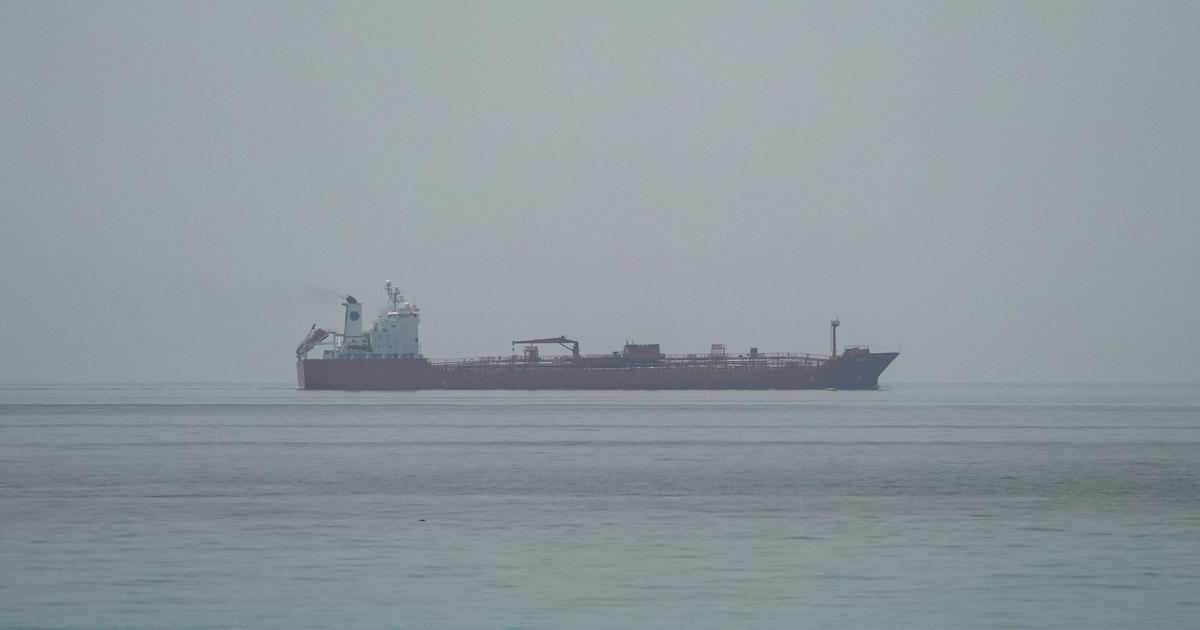
On the morning of October 6, drones hit two commercial ships off Bulgaria's Black Sea coast, sinking one of the ships and causing alarm and outrage in both Bulgaria and the EU.
asserted
drones → hit → Bulgaria
The drone attacks come at a time when the EU is pushing for Bulgaria to become a key entry point for goods imported from Asia to the bloc via the trade route known as the Middle Corridor.
asserted
Bulgaria → come → Corridor
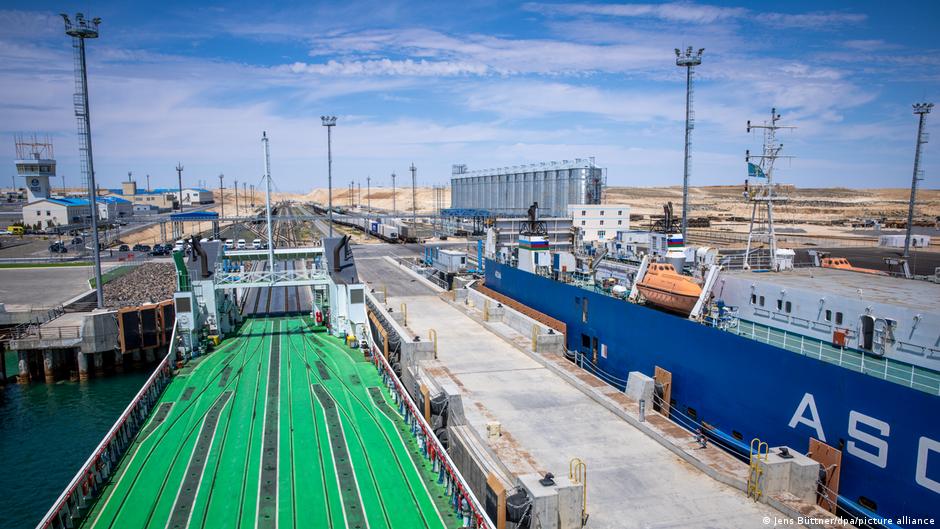
The Middle Corridor — which the EU also refers to as the Trans-Caspian Transport Corridor — connects Europe and Asia.
asserted
EU → refer → Europe
It begins in China and runs through Kazakhstan, Azerbaijan, Georgia and Turkey before reaching the EU.
asserted
It → begin → EU
Although it is mostly made up of railways and roads, short sections of the corridor cross the Black Sea and Caspian Sea.
asserted
sections → make → Sea
The EU has this year declared its intention to bet big on this trade route, a move that could have consequences for Bulgaria's railways, roads and ports.
uncertain
that → declare → railways
Lines of trucks can frequently be seen queuing at the checkpoint.
asserted
Lines → see → checkpoint
The country also has two strategic ports on the Black Sea — Varna and Burgas — and a new section of a railway line between Istanbul and the Bulgarian border is set to open this fall.
asserted
section → have → Istanbul
In September, EU Commissioner for Enlargement Marta Kos called Bulgaria "Europe's Connectivity Gateway" due to its strategic location on this route.
asserted
Kos → call → route
Wars have disrupted global trade routes
asserted
Wars → disrupt → routes
A few months earlier, Kos said that the Middle Corridor could considerably cut transport times from Asia to Europe from 45 days to just 15 days and is safer than the two traditional routes for goods being transported to Europe from Asia.
uncertain
Corridor → say → Asia
Trade along this route dropped sharply after Russia's full-scale invasion of Ukraine in February 2022.
asserted
Trade → drop → February
The other route, sometimes referred to as the Ocean Route, sees goods traveling by ship through the Red Sea and the Suez Canal.
asserted
goods → refer → Sea
But fears of disruption caused by wars and instability in the Middle East mean that many goods are now being shipped all the way around Africa — a journey that takes around 45 days.
asserted
that → cause → days
That results in delays and costs for businesses and consumers alike.
asserted
That → result → businesses
All of this explains why the Middle Corridor suddenly seems so attractive — a fact confirmed by Vessela Tcherneva, deputy director of the European Council on Foreign Relations, who is based in Sofia, Bulgaria.
asserted
who → explain → Sofia
"The Middle Corridor is a project that basically avoids both war theaters that we have near Europe," Tcherneva told DW.
asserted
Tcherneva → avoid → DW
"It avoids the route through Russia, and also it avoids the route through the Middle East.
asserted
it → avoid → East
As promising as it sounds, a lot needs to change before the Middle Corridor can really compete with the Ocean Route.
asserted
Corridor → sound → Route
"You have, first and foremost, security limitations," said Tcherneva.
asserted
Tcherneva → have → limitations
"The security situation in Central Asia needs to really have improved enough so that one can make long-term plans for constructing big projects."
asserted
one → need → projects
Tcherneva also stressed that weak institutions and bureaucracies in countries along the Middle Corridor are an issue.
asserted
institutions → stress → Corridor
Russian involvement cannot be ruled out.
asserted
involvement → rule → ?
"We have seen infrastructure projects in the past not happen because they were not perceived as being in Russia's interest, and the Russians seem to have quite a bit of leverage in the countries along the route," she said, adding that "the outcome of Russia's war in Ukraine is going to have an impact on the success or failure of the Middle Corridor."
Tuesday's drone attacks on commercial ships in the Black Sea are a stark reminder that security on the route could well remain a problem.
In addition, the water level in the Caspian Sea, which is situated on the Middle Corridor, is falling, with climate change as a key driver.
uncertain
which → see → driver
This means there is no guarantee that ships will be able to cross it in the future.
asserted
ships → mean → future
Then there is the problem of infrastructure: Ports and railways along the route lack capacity for big increases in trade volumes.
asserted
Ports → be → volumes
Could Bulgaria benefit?
uncertain
Bulgaria → benefit → ?
Despite these risks and limitations, the EU clearly wants to see more trade coming through the Middle Corridor, even if it cannot replace existing routes.
asserted
it → want → routes
In her recent State of the Union speech, European Commission President Ursula von der Leyen said that the EU wants to improve what it calls "connectivity."
asserted
it → say → what
It wants to diversify trade routes, increase trade flows and reduce freight transit times.
asserted
It → want → times
To do so, it aims to raise €12 billion ($13.5 billion) in public and private investment.
asserted
it → do → investment
Bulgaria could benefit from this in a number of ways.
uncertain
Bulgaria → benefit → ways
"The Bulgarian railways have been underinvested in for many, many years now — for decades.
asserted
railways → underinveste → decades
Bulgarian ports would also benefit greatly from investment," Vessela Tcherneva told DW.
asserted
Tcherneva → benefit → DW
"Developing better road connections from the Mediterranean up, but also east-west, would help, especially the north of the country, which is currently not very well connected.
asserted
which → develop → country
 The Aporia