The Guardian
· collected 2026-10-08 · by Ben Quinn with photographs by Graeme Robertson
In Luton, England, local businesses and residents are pushing back against claims by Conservative MP Blake Stephenson that there are "no-go zones" for white people in certain parts of the town. Despite Stephenson's allegations at the Tory party conference, daily life on Dunstable Road in Bury Park—a predominantly Asian district—proceeds normally with diverse shoppers and businesses operating without incident. Counter to Stephenson’s assertions, a traffic warden stated they feel perfectly safe there, while others noted feeling safer in Bury Park than elsewhere in town due to familiarity and community support.
Written locally by qwen2.5:14b on 2026-10-08,
using this article's own text rather than the other coverage of the
same event (that is the story summary below).
From behind the counter of his chippie, Tanner Ahmed is wrestling with the notion that the regular stop-off point for fans attending Luton Town’s nearby football ground could be in a “no-go zone” for white people.
uncertain
point → wrestle → people
“The whole point of setting up was to cater for thousands who were coming through here every week, especially in the first year when the club was in the Premier League,” said Ahmed, affectionately known as Mr T, in the Bury Park area, a predominantly Asian district of Luton.
asserted
Ahmed → set → Luton
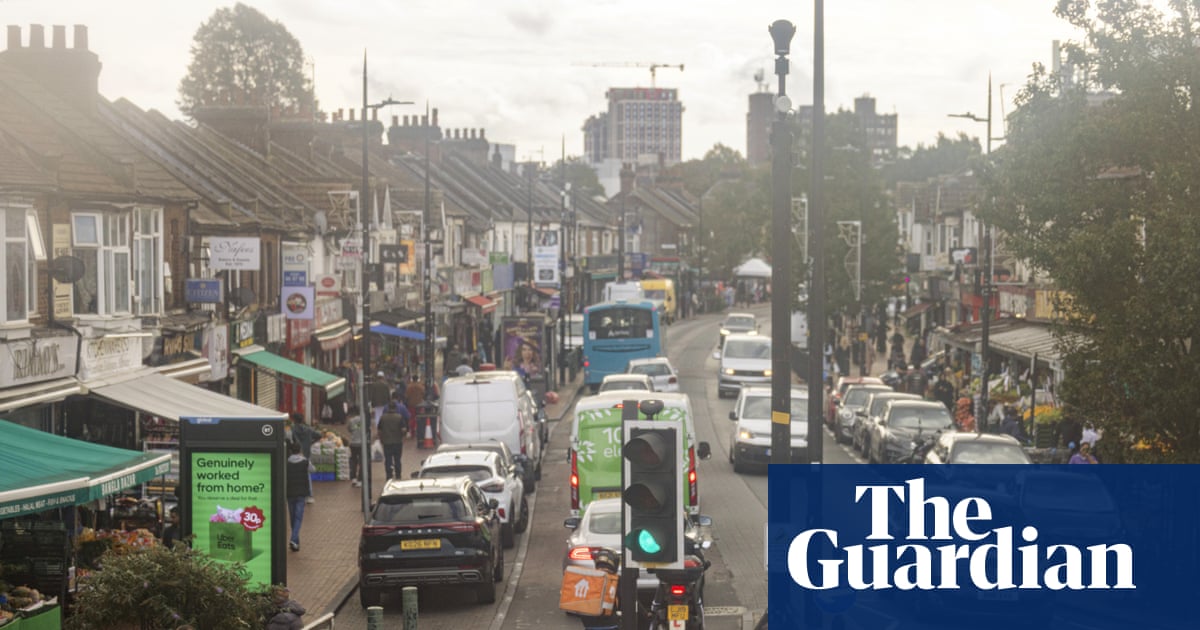
Outside, on the day after a shadow Conservative Home Office minister had claimed there were “no-go zones” for white people in Luton, there was a hum of activity on Dunstable Road, a thoroughfare lined with restaurants, jewellery stores and shops selling pakoras and other snacks.
asserted
minister → claim → pakoras
Further along, shoppers of different races trundled trolleys through the car parks of Sainsbury’s and Lidl.
asserted
shoppers → trundle → Sainsbury
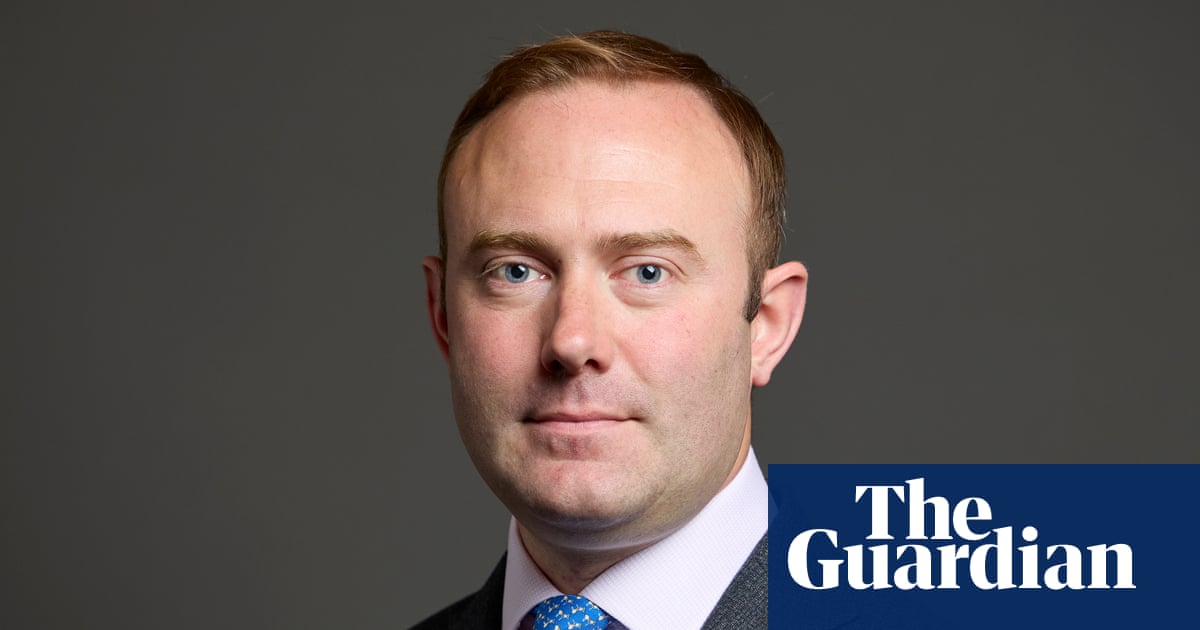
Blake Stephenson, the MP for Mid Bedfordshire, who lives in a village 15 minutes away from Luton, had claimed at the Tory party conference on Monday that the town was “a very dangerous place” where some communities “live in ghettoes”.
asserted
communities → live → ghettoes
“There are parts where white people won’t go,” he said.
asserted
he → be → ?
His comments have been roundly condemned in Luton, but they echo the longer-term far-right framing of the English town as a poster child for the supposed dangers of Islamism and multiculturalism.
asserted
they → condemn → Islamism
As the home town of the far-right activist Tommy Robinson, whose real name is Stephen Yaxley-Lennon, it is also where the English Defence League (EDL), the street movement he used as a springboard to semi-celebrity status in likeminded circles, was launched.
asserted
he → use → circles
International far-right figures have eagerly seized on his depiction of the town.
asserted
figures → seize → town
The Australian senator Pauline Hanson joined him there in July for a walkabout filmed by a major Australian TV network.
asserted
senator → join → network
The 2021 census found that 54.8% of Luton’s population were non-white, making it one of four places outside London at that time where the majority of the population was from minority groups.
asserted
majority → find → groups
A day after Stephenson’s comments, there was little sign if any that Bury Park was a place where any group might fear to tread – even those giving out parking tickets.
uncertain
group → be → tickets
Among a smattering of white faces on Dunstable Road was a traffic warden, who declined to give their name but said: “I’ve always felt perfectly safe, and if ever there has been a minor incident, generally a member of the public or a shopkeeper has come to my aid.”
asserted
member → decline → aid
Joshua Bozier, 36, a homeless man, said: “To be honest, I feel safer here in Bury Park than in the town centre.
asserted
I → say → centre
I know everybody here, whereas I’ve been spat at and urinated on in the centre.
asserted
I → know → centre
I’ve lived all over and Luton’s not what it’s made out to be.”
asserted
it → live → what
He said Robinson “spilled a lot of shit”, but he did point to the past conduct of some Islamist activists in the area, who in 2009 demonstrated against the Royal Anglian regiment’s homecoming parade from Afghanistan.
asserted
who → say → Afghanistan
Only a tiny proportion of the town’s Muslim community were involved, but the incident became a useful symbol for the far right.
asserted
incident → involve → right
Dr William Allchorn, an associate professor at Richmond American University and an expert on the far right, said the relationship between the EDL and the Islamist activists “was mutually reinforcing and for people looking for a European example of the supposed consequences of multiculturalism, Luton came with an unusually ready-made set of images, personalities and stories.
“A series of confrontations occurred at exactly the moment when a new anti-Muslim form of street politics was developing, and an unusually effective political entrepreneur in Tommy Robinson was able to turn those local events into a national and eventually international story.”
asserted
entrepreneur → say → story
Sarah Owen, the Labour MP for Luton North, accused Stephenson of pushing the same “rightwing nonsense” as Robinson.
asserted
Owen → accuse → Robinson
The police and crime commissioner for Bedfordshire, Labour’s John Tizard, wrote to the Tory MP to say: “These statements are not supported by evidence and bear a troubling resemblance to far-right agitators seeking to divide communities.
asserted
statements → write → communities
Luton’s independent mayor, Javed Hussain, said he was baffled by Stephenson’s claims as he strolled through Bury Park, pointing out Christian, Sikh and Muslim places of worship and emphasising local regeneration.
uncertain
he → say → regeneration
“I’m at a loss to know why he is saying this because Luton is a very multicultural, diverse town, as well as very vibrant one, so it’s disheartening,” he said.
asserted
he → ’m → this
“Yes, in this area there may be a large number of people from an Asian background, but people from all over do travel here for all sorts of reasons, whether to shop or eat.”
uncertain
people → travel → reasons
Research by the council has also found that cohesion was strong enough for the town to avoid the fractures that led to violence in other English towns in the past, though there were warnings that more needed to be done, such as broadening cultural experiences for school pupils.
asserted
more → find → pupils
While proud of the aspirational ethos among second- and third-generation British Asians in Luton, including his own family, Hussain said: “Look, if there was something I wish we could do more of, it would be to support children from council estates that are predominantly white.
uncertain
that → include → estates
 The Aporia