The Sydney Morning Herald
· collected 2026-10-08 · by Melanie Kembrey
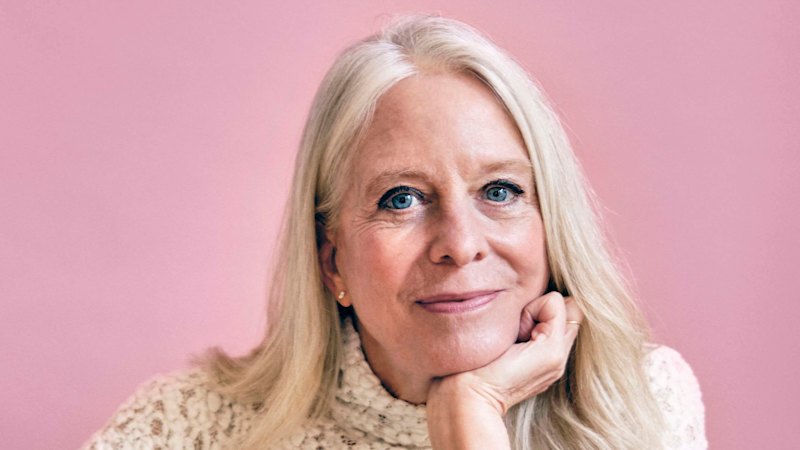
American author Bonnie Garmus was on the cusp of 65 when her debut novel, Lessons in Chemistry, was published – after a career in copywriting and advertising, and an astonishing 98 rejections from agents for an earlier manuscript.
asserted
novel → publish → manuscript
The story of Elizabeth Zott, a brilliant chemist who becomes the unlikely star of a TV cooking show in 1960s California, went on to become a global sensation, selling almost 10 million copies and inspiring a hit TV series starring Brie Larson.
asserted
who → become → Larson
Now Garmus is back with Peck & Peck, a funny, warm-hearted romp about Batter Gray, a poetry-obsessed recent graduate who lands a job at a prestigious poetry journal in 1980s New York.
asserted
who → obsess → York
For all its whimsy, the novel has plenty to say about distinctly contemporary concerns: the battle between art and commerce, the value we place on art and artists, and what happens when culture becomes a business.
asserted
culture → have → art
We spoke to Garmus about obsessions, sudden fame and why poetry might just save the world.
uncertain
poetry → speak → world
Your characters tend to be obsessives, whether that’s about rowing, chemistry, poetry or typography.
asserted
that → tend → rowing
What’s taking up an unreasonable amount of brain space for you at the moment?
asserted
What → take → moment
What started the project of reading one poem a day?
asserted
What → start → poem
So we all kept the promise for at least four hours – until the school year was over – and then I never read a poem.
asserted
I → keep → poem
Then one day I was driving home from work, and I heard a poem by Nikki Giovanni on the radio.
asserted
I → drive → radio
It was a poem my teacher had read, and it brought tears to my eyes.
asserted
it → read → eyes
I thought, “Why hadn’t I kept this promise?”
asserted
I → think → promise
I felt like my brain was starting to rot and work was overwhelming, so on that day, I decided to fulfil that promise to him and started reading a poem a day.
asserted
I → feel → poem
I know it sounds kind of ridiculous, but it actually matters so much.
asserted
it → know → ?
If you don’t have time to read an entire book or a long magazine article, you have time to read a poem.
asserted
you → have → poem
It’s so complex that it will actually help you in lots of ways you don’t really realise until you start getting into it, including upping your empathy and connecting you with your heartbeat a little more often.
asserted
you → ’ → heartbeat
Was it this routine that provided the inspiration for the book?
asserted
that → provide → book
I was having a reckoning with my career and it felt like technology was moving in the wrong direction.
asserted
technology → have → direction
When I first started writing in the technology space for advertising, it was so interesting, innovative and full of promise.
asserted
it → start → promise
Then it seemed to be slowly sliding into something that I didn’t recognise.
asserted
I → seem → that
It was becoming more about making money instead of making what was worthwhile.
asserted
what → become → money
I was really at a crossroads with what I was doing, and I was turning down more and more work because I didn’t feel good about what they were doing.
asserted
they → do → what
This was way back before people talked about AI all the time and what a danger it is, but back then, we all knew about it and knew it was a danger.
asserted
it → talk → it
It was simply that people took it more seriously than they do today, and they would have never allowed it to come out as unregulated as it has.
asserted
it → take → it
Peck & Peck follows a devoted young poet, Batter Gray, who gets a job at a prestigious, if dysfunctional, poetry journal – the titular Peck & Peck – in New York in 1983.
asserted
who → follow → 1983
What part of the story came to you first?
asserted
part → come → you
As I walk around cities – I live in England – I think more and more we see the same thing over and over.
asserted
we → walk → thing
We see another Kentucky Fried Chicken, another Starbucks, or whatever.
asserted
We → see → Chicken
There’s this creeping conformity that’s been going on for a long time around the world where we go for the familiar, and I wanted to create a building that was unfamiliar.
asserted
that → ’ → building
It’s not like [Barcelona’s] Sagrada Família, but it’s like that in the sense that there’s only one in the world.
asserted
it → ’ → world
Do you think those two things can ever happily coexist?
asserted
things → think → ?
I think they’ve always been at each other’s throats, but the world has become much more devoted to technology in a way that worries me.
asserted
that → think → me
Now technology has decided that it’s going to take over the arts and do the arts for us as well.
asserted
it → decide → us
I don’t want it to do the arts for us.
asserted
it → want → us
Technology is not an artist, and it doesn’t have the ability to do it in the same way.
asserted
it → have → way
So I do worry a lot that this idea that technology can do everything is really misguided.
asserted
technology → worry → everything
There’s always been a belief – and my character believes it – that you’re supposed to get a good job as a lawyer, in accounting, or somewhere where you can make a living, and I certainly understand that [laughs].
asserted
I → believe → that
I have two kids, and if one of them had come home and said, “I’ve decided to become a poet for my living,” I would have said, “Oh, how interesting ... but you have to do something else as well.”
asserted
you → have → something
But it turns out the arts are every bit as vital as anything else – as medicine, lawyerly work, maths or science.
asserted
arts → turn → medicine
They’re all vital.
asserted
They → ’re → ?
…and 41 more, not listed.
 The Aporia