The Guardian
· collected 2026-10-08 · by Andrew Gregory Health editor
Surgeons in Edinburgh performed the first testicular tissue transplant on a 19-year-old male patient who had previously undergone chemotherapy for a blood disorder and had his testicular tissue frozen three years prior. The surgery aims to restore fertility by reintroducing spermatogonial stem cells capable of producing sperm, offering hope to boys rendered infertile by cancer treatments. This procedure is the first of its kind in the UK and only the second globally, marking a potential breakthrough in male fertility preservation for young patients undergoing chemotherapy.
Written locally by qwen2.5:14b on 2026-10-08,
using this article's own text rather than the other coverage of the
same event (that is the story summary below).
Story summary
Surgeons in Edinburgh, UK, performed the first testicular tissue transplant on a 19-year-old male patient, offering hope for boys rendered infertile by chemotherapy. The teenager had his testicular tissue removed and frozen three years ago before undergoing treatment for a serious blood disorder. Post-chemotherapy tests showed no sperm in his semen. Now, doctors have transplanted the previously stored tissue back into his body to potentially restore fertility. This pioneering procedure is only the second of its kind globally and marks a significant step toward helping boys preserve their fertility during life-saving treatments. Rod Mitchell, a professor at the University of Edinburgh’s Institute for Regeneration and Repair and a consultant paediatric endocrinologist at NHS Lothian, highlighted the breakthrough's potential to enable infertile cancer survivors to have biological children.
Written for “Testicular Tissue Transplant First UK” on 2026-10-08,
grounded in this article and the 0 other(s) covering the same event.
Why this leaning score
This article does not take a side on a contested political
question, so it has no leaning score. That is an
answer rather than a gap: a match report or a rescue can be warmly
or critically written without being left or right, and scoring it
anyway is how approval of a subject gets recorded as a political
position.
No political leaning scored for article 64705 · logged 2026-10-08
Surgeons have performed the first testicular tissue transplant on a teenager in the UK, offering hope that boys left infertile by chemotherapy could one day have biological children.
uncertain
boys → perform → children
The 19-year-old had his tissue removed and frozen three years ago before undergoing treatment for a serious blood disorder.
asserted
tissue → have → disorder
He said he was “incredibly grateful” to the medical team behind the pioneering procedure, which represents a potential breakthrough for male fertility preservation.
asserted
which → say → preservation
Chemotherapy can permanently damage the cells needed to produce sperm, leaving children who undergo it at risk of infertility in adulthood.
asserted
who → damage → adulthood
Three years after his chemotherapy, tests showed he had no sperm in his semen.
asserted
he → show → semen
Now a team of NHS medics in Edinburgh have transplanted his previously frozen testicular tissue back into his body, in the hope that it will begin to produce sperm.
asserted
it → transplant → sperm
The operation is the first of its kind in the UK, and only the second reported to have taken place worldwide.
asserted
second → report → place
“Fertility is something I’ve struggled with personally for a long time,” said the patient, who asked to remain anonymous.
asserted
who → struggle → time
“I’ve always wanted to have children of my own but at some point, I found myself starting to slowly accept that that might never be possible for me.
uncertain
that → want → me
Having this procedure has given me genuine hope for the future.”
asserted
Having → have → future
The student added: “We don’t know yet whether it will work, but knowing that there is now even a possibility means more to me than I can really put into words.
asserted
I → add → words
“I’m incredibly grateful to everyone for giving me this opportunity and for all the work that has made it possible.
asserted
it → give → work
I also hope that being part of this research means that, in the future, other young people in the same position can have that hope too.
asserted
people → hope → hope
Freezing semen is an established fertility preservation method for older teenagers and adult men.
asserted
semen → freeze → teenagers
The new treatment potentially opens a door to fertility preservation for children needing cancer care and other treatments which require the use of chemotherapy.
asserted
which → open → chemotherapy
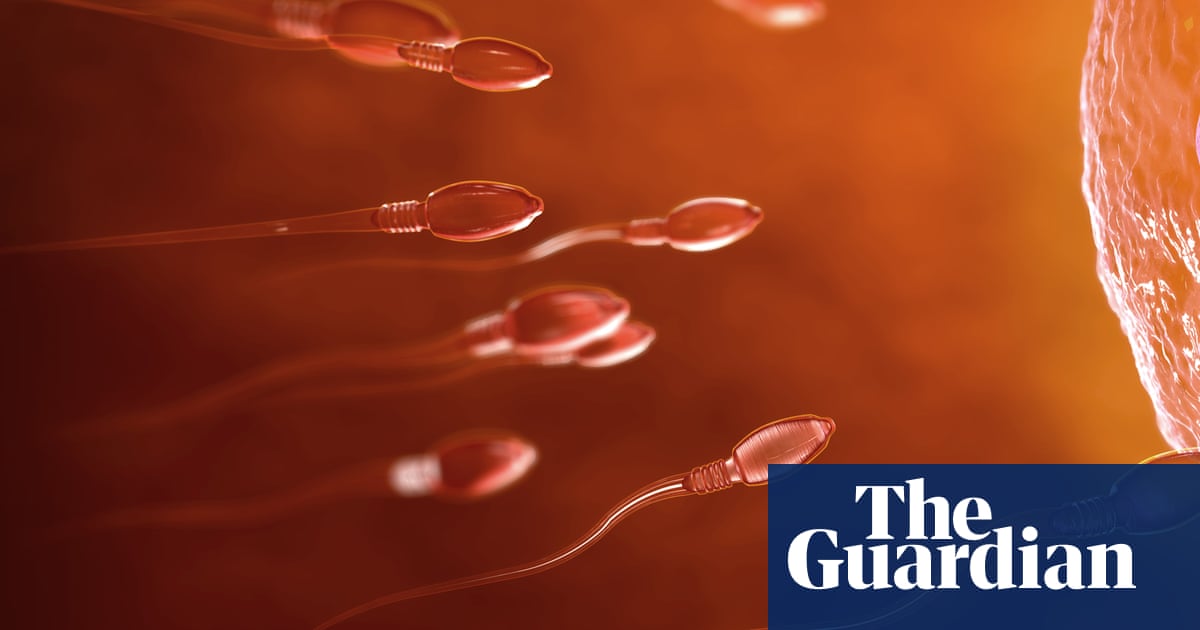
The tissue taken for transplant contains spermatogonial stem cells, which are responsible for producing sperm from puberty onwards.
asserted
which → take → puberty
Doctors should know in a matter of months whether the procedure, which took place in August, has enabled the 19-year-old to produce viable sperm.
asserted
which → know → sperm
The transplant, carried out by medics at NHS Lothian and backed by funding from Children with Cancer UK, follows a decade of research by the University of Edinburgh.
asserted
transplant → carry → Edinburgh
Rod Mitchell, professor of developmental endocrinology at Edinburgh’s Institute for Regeneration and Repair, and a consultant paediatric endocrinologist at NHS Lothian, said: “This is a big step towards helping boys facing treatments that damage their fertility to have children of their own.
asserted
that → say → own
“Ten years ago, we started our research programme to freeze and store pieces of testicle from boys before they start chemotherapy, to preserve their fertility.
asserted
they → start → fertility
“We are beginning to see some of these young men return to explore their fertility options.
asserted
some → begin → options
This study offers real hope for future fertility in boys facing cancer treatment.”
asserted
study → offer → treatment
Tracey Gillies, the medical director at NHS Lothian, said the operation was a “landmark procedure” and marked an important step forward for children whose fertility may be affected by treatment they needed to overcome serious illness.
uncertain
they → say → illness
She added: “We are grateful to the patient and his family for helping advance research that could transform care for others in the future.”
uncertain
that → add → future
In May, the Guardian reported how a man whose testicular tissue was frozen before he had chemotherapy as a child and retransplanted 16 years later had been able to produce sperm.
uncertain
he → report → sperm
More than 1,200 patients in the UK and 3,100 worldwide had had testicular tissue stored for potential future use, the University of Edinburgh said.
asserted
University → have → Edinburgh
 The Aporia