Ontario’s Ford government has tightened its policy on funding for out-of-country medical treatments, limiting such support to drugs already approved by Ontario but temporarily unavailable. This change directly affects patients like Alex Shved, a 37-year-old with metastatic melanoma, who needs an unapproved therapy in the U.S. The Ministry of Health claims these amendments will protect Ontario’s health-care system from additional costs and ensure fair pricing negotiations with pharmaceutical companies. Sylvia Jones, deputy premier and minister of health, stated that the policy change aims to prevent up to $5.2 billion in extra annual spending while maintaining access to life-saving medications within Canada.
Written locally by qwen2.5:14b on 2026-10-08,
using this article's own text rather than the other coverage of the
same event (that is the story summary below).
The Ford government has tightened its policy on when it will fund out-of-country treatments, in the wake of a high-profile court fight by a Toronto man with terminal cancer.
asserted
it → tighten → cancer
The Ministry of Health says amendments to Ontario’s Health Insurance Act mean funding will now only be provided for drug treatments that are already in use and approved for public coverage in the province but are temporarily unavailable.
asserted
that → say → province
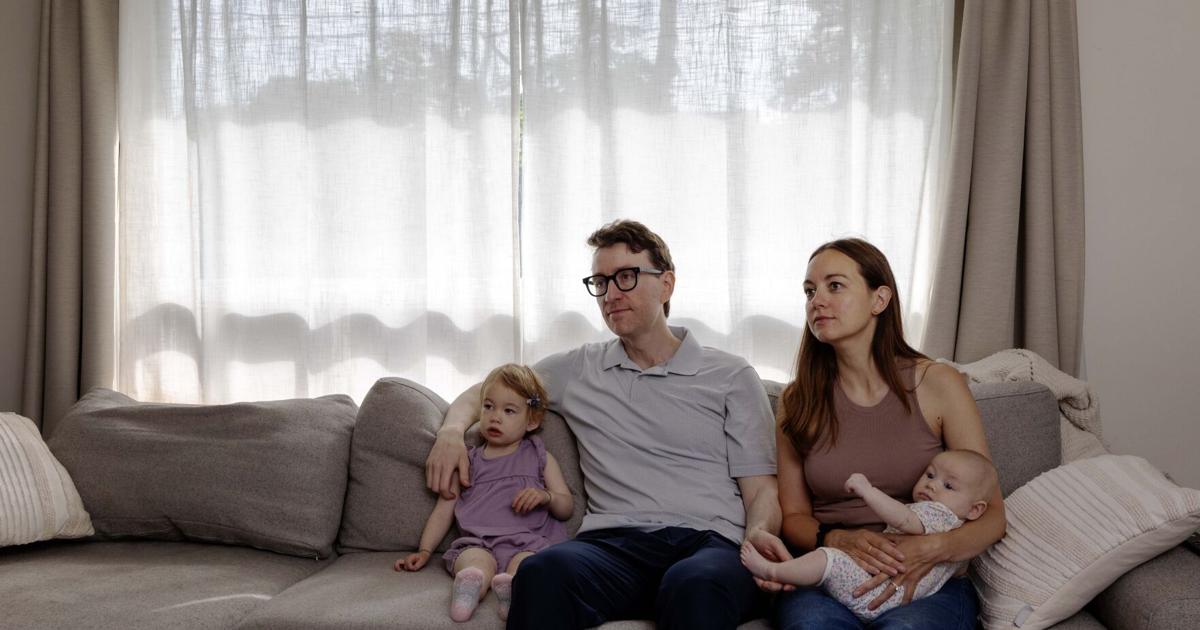
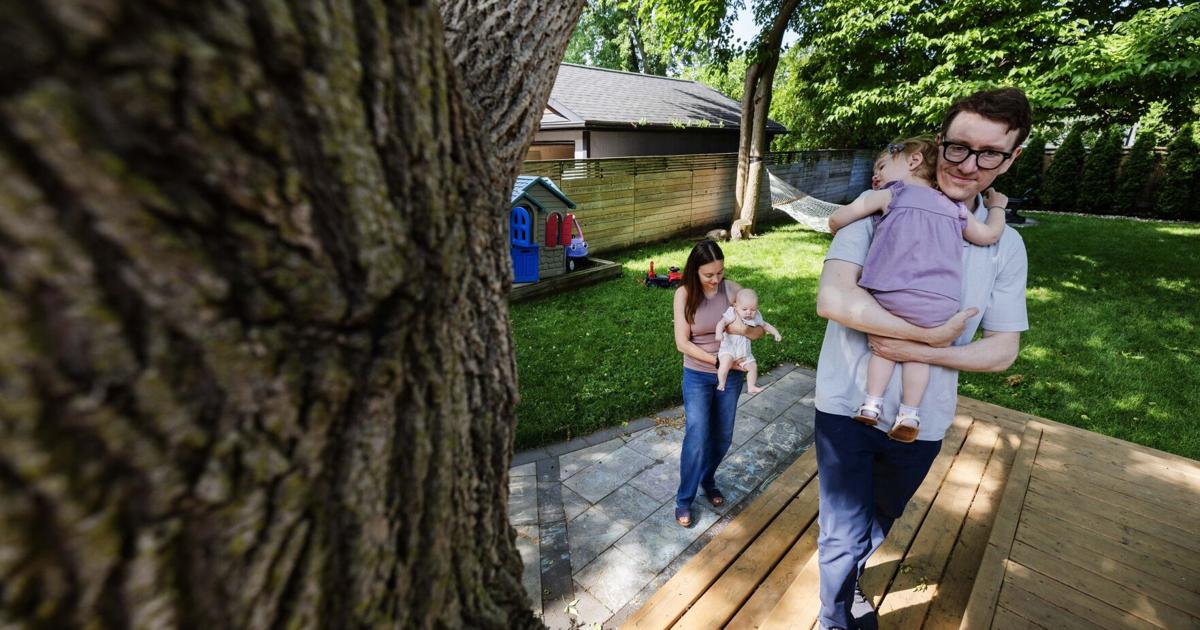
The regulatory amendments — announced this week — essentially close the door to patients like Alex Shved, a 37-year-old with metastatic melanoma, who has been fighting to have Ontario fund a last-resort therapy in the U.S.
asserted
Ontario → announce → U.S.
He argues that his terminal diagnosis means he can’t wait for the personalized cell treatment to make its way through Canada’s lengthy drug funding process.
asserted
treatment → argue → process
Shved called Ontario’s move “a betrayal” and said he’s “incredibly frustrated” the province has blocked access to the out-of-country program for drug treatments that have been given the green light by Health Canada but not approved for public coverage.
asserted
that → call → coverage
Last month, a panel of the Ontario Divisional Court directed the provincial government to reconsider its earlier denial to fund Shved’s treatment in the U.S., citing his immediate need.
asserted
panel → direct → need
Ministry cites access to affordable medication
The Health Ministry states the new Health Insurance Act amendments were put in place to “protect Ontario patients’ access to affordable, life-saving medication here at home.”
asserted
amendments → cite → home
In its Tuesday announcement, the ministry states the province’s out-of-country drug funding program, which has been in place since 2011, will now only fund drugs that have gone through Ontario’s “rigorous, consistent, transparent, evidence-based and expert-led process.”
asserted
that → state → process
The ministry said it needed to act to prevent the Ontario Health Insurance Plan from paying out an additional $5.2 billion each year.
asserted
it → say → billion
It also said the policy, as previously written, created “a back door for global pharmaceutical companies to avoid negotiating directly with the province to achieve more competitive pricing.”
asserted
companies → say → pricing
Sylvia Jones, deputy premier and minister of health, said in the news release that the government is “protecting Ontario patients and taxpayers from price-gouging and protecting their access to life-saving medications that would otherwise only be available in the United States or overseas.”
asserted
that → say → States
“This change supports a consistent, fair and transparent approach to funding decisions, protects the integrity of Ontario’s world-class drug approval process and will help avoid up to $5.2 billion in additional costs to Ontario’s health-care system every year,” Jones said.
asserted
Jones → support → system
The conditions for funding now include that the drug treatment is performed and publicly funded in the province; access to the drug is temporarily unavailable in Ontario; and delay in access “makes it necessary that the insured person travel out of Canada to avoid death or medically significant irreversible tissue damage.”
asserted
person → include → death
The province pointed to the need to protect Canada’s ability to negotiate fair drug prices with pharmaceutical companies as a main reason to make the regulatory change.
asserted
province → point → change
The Health Ministry also said it needed to limit a recent but “significant increase” in out-of-country treatment requests that would otherwise lead to “up to $170 million” in additional annual costs.
asserted
that → say → costs
Steven J. Hoffman, professor of global health, law, and political science at York University’s Global Strategy Lab, said in an email statement that the regulatory clarification “makes good sense for promoting value-for-money in Ontario’s health-care system and protecting efforts to ensure Canadians pay some of the world’s lowest prices for patented medicines.”
asserted
Canadians → say → medicines
He said the executive officer of the Ontario Public Drug Programs will likely continue to decline Shved’s request for out-of-country drug coverage.
asserted
officer → say → coverage
Shved confirmed Wednesday the province has again denied his application.
asserted
province → confirm → application
Hoffman said that provinces must be effective stewards of limited health-care resources and noted that how pharmaceutical companies set their prices also deserves scrutiny.
“Companies developing new drugs and charging prices that only multi-millionaires can afford is not helpful,” Hoffman said.
asserted
Hoffman → say → -
He described Shved’s case as “tragic.”
asserted
He → describe → case
Running out of options
Shved was diagnosed with melanoma in 2020 and is running out of treatment options.
asserted
Shved → run → options
Doctors have recommended he undergo tumour-infiltrating lymphocyte therapy, or TIL therapy, which uses a patient’s own cells to train their immune system to find and attack cancer.
asserted
which → recommend → cancer
Produced by an American biotechnology company, the therapy is marketed as lifileucel, also known by its brand name Amtagvi, and is only available at authorized centres in the U.S.
asserted
therapy → produce → U.S.
Shved said a Florida hospital quoted $1.3 million for the therapy, which requires chemotherapy and time in hospital, in addition to producing the personalized cell treatment.
asserted
which → say → treatment
In its September ruling, the three-justice panel of the Ontario Divisional Court underscored that medical experts had recommended Shved get access to TIL therapy as part of its reasoning for directing the province to reassess its earlier denial.
asserted
Shved → underscore → denial
“The record discloses that he will likely be dead by Christmas if he does not receive the requested treatment within a few weeks,” the panel wrote in its ruling.
asserted
panel → disclose → ruling
The Health Ministry’s news release stated it’s “exploring all available options” for the court ruling, including an appeal “and/or seeking a mutually satisfactory resolution” with Shved.
asserted
it → state → Shved
On Wednesday, Shved said he has yet to receive any settlement details and is unsure what he will do next.
asserted
he → say → what
“I don’t know what this (amendment change) means for me, or for all the other people who are in the queue,” he said.
asserted
he → know → queue
 The Aporia