That is 0 articles you have read today.
The Aporia is free and carries no advertising, so readers are the only
thing paying for it. If you are getting this much out of it, a small
donation is what keeps it independent.
Daily limit reached
You have read 0 articles today.
That is more than the 15 a day The Aporia gives away,
and well past what it can carry on nothing. Your allowance resets at
midnight.
There is no advertising here and nothing about you is sold, so readers
are the only thing paying for it. If the site is worth this much of
your day, it is worth a few dollars.
Everything else stays open: the
maps, the
directory and
search do
not count against this, and neither does re-opening something you have
already read today.
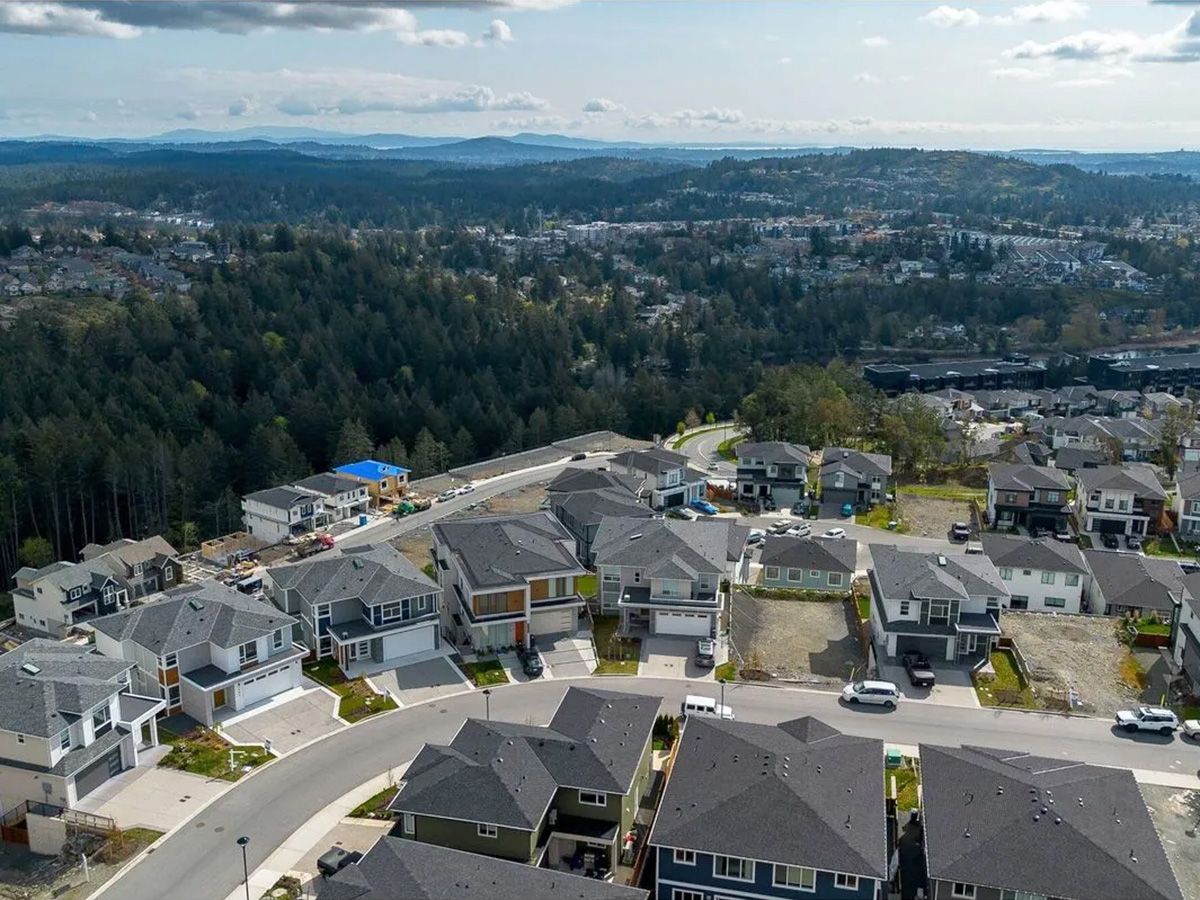
Finance Minister François-Philippe Champagne is evaluating options for Canada’s foreign homebuyers ban ahead of its January 1, 2027 expiry date. The policy, introduced in 2023 to address surging home prices during the pandemic, has faced criticism from developers who argue it restricts capital needed for new construction. While foreign ownership peaked at around 5% before the ban, housing minister Gregor Robertson stated last year that Canada will review policies similar to those in Australia, where foreigners can buy newly built homes. The national benchmark home price is now approximately 20% below its pandemic peak due to rising interest rates, but many younger Canadians still struggle with affordability, complicating any potential policy changes.
Written locally by qwen2.5:14b on 2026-10-08,
using this article's own text rather than the other coverage of the
same event (that is the story summary below).
Story summary
Finance Minister François-Philippe Champagne is considering whether to extend Canada’s foreign homebuyers ban, which will expire in January 2027. The original ban, enacted in 2023, restricted foreign investors from purchasing residential property in Canada but allowed exceptions for vacant land intended for development and larger multi-unit buildings. Despite the ban's intention to increase housing affordability concerns, data shows that foreigners owned no more than 5% of properties in any major Canadian market by 2020. Developers argue the ban limits capital needed to fund new construction projects. Champagne remains non-committal about extending the ban, emphasizing a need to assess current real estate trends and ensure adequate housing opportunities for Canadians as the next budget approaches.
Written for “Canada Homebuyer Ban Options” on 2026-10-08,
grounded in this article and the 1 other(s) covering the same event.
Why this leaning score
The article's own words the score was based on. Each is quoted
verbatim and was checked against the article text before being
stored, so you can find it in the original.
Leaning: leans left for article 64445 (high confidence, 1 verified quote) · logged 2026-10-08
Finance Minister François-Philippe Champagne says the federal government is mulling its options ahead of the expiry of Canada’s foreign homebuyers ban at the end of the year.
asserted
government → say → year
“We’re looking at all the options that we have in front of us, considering where the market is going, what has happened over the last few years,” Champagne told reporters in Ottawa on Wednesday.
asserted
Champagne → look → Wednesday
“We want to make sure that we have a higher stock of housing opportunities for Canadians.”
asserted
we → want → Canadians
Former prime minister Justin Trudeau’s government banned foreign purchases of residential real estate in Canada in 2023, with exemptions for vacant land intended for development and larger multi-unit buildings.
asserted
government → ban → development
The government renewed the measure in 2024.
asserted
government → renew → 2024
The policy was introduced after home prices surged during the pandemic, when interest rates were near zero.
asserted
rates → introduce → zero
But data suggest foreigners owned no more than 5% of properties in any major Canadian market in 2020, while developers have argued the ban cuts off a source of capital that would help fund new housing construction.
asserted
that → suggest → construction
The ban is set to expire on Jan. 1, 2027.
asserted
ban → set → Jan.
Housing Minister Gregor Robertson said last year the government would use 2026 to review the policy and examine models that have worked elsewhere, including Australia, where foreigners can purchase newly built homes.
asserted
foreigners → say → homes
The housing market has also changed dramatically since the pandemic.
asserted
market → change → pandemic
After the Bank of Canada began hiking interest rates in 2022, demand softened and prices began to fall.
asserted
prices → begin → 2022
Despite the downturn, many younger Canadians remain priced out of home ownership, making any move to welcome more foreign capital into the housing market politically sensitive for Prime Minister Mark Carney’s government.
asserted
move → price → government
Champagne acknowledged that the market is evolving, and said municipalities, provinces and the federal government have all taken steps to improve affordability.
asserted
municipalities → acknowledge → affordability
“The market is very different from one region to the other, even one community from the other,” he said.
asserted
he → say → other
“We’re looking at not only what the federal government has been doing and can be doing, but also what other levels of government have been addressing.”
asserted
levels → look → government
Benjamin Tal, deputy chief economist at Canadian Imperial Bank of Commerce, has called for the government to let the ban expire.
asserted
ban → call → Commerce
“It doesn’t make any sense,” he said last week, arguing that Carney has been encouraging foreign investment in other sectors of the economy and that allowing offshore buyers back into the market could help finance new housing projects and boost supply.
uncertain
allowing → make → supply
 The Aporia