In Toronto's mayoral race, Olivia Chow and Brad Bradford are now set for a two-person showdown after Chris Alexander dropped out of the campaign. Recent polling shows Chow leading with 48% support and Bradford close behind at 40%, while Alexander had only 9%. Political analysts suggest this shift clarifies the dynamics between the remaining candidates, particularly as Chow became more confrontational towards Bradford during their debate on housing, affordability, transit, and public safety issues.
Written locally by qwen2.5:14b on 2026-10-07,
using this article's own text rather than the other coverage of the
same event (that is the story summary below).
Olivia Chow and Brad Bradford now appear to be locked into a heated, two-person matchup in Toronto’s mayoral race, after Chris Alexander dropped out mere hours before he was set to join them in a major candidate debate.
asserted
he → appear → debate
A head-to-head battle between the two has been brewing for weeks, as no other clear front-runners have managed to break through to voters, according to recent polling.
uncertain
runners → brew → polling
Alexander leaving the campaign trail “gives a bit more of a clear distinction to voters and changes some of the dynamics between Bradford and Chow,” said Zachary Spicer, an associate professor in the school of public policy and administration at York University.
asserted
Spicer → leave → University
Alexander announced the revocation of his candidacy the morning of Oct 6.
asserted
Alexander → announce → Oct
The debate held that evening at Toronto Metropolitan University resulted in an unexpected face-off between only Bradford and Chow that saw the two be more pointed in their criticisms of each other.
asserted
two → hold → other
Those changes could indicate a possible reshaping of the campaign period in the final weeks before election day, according to political analysts.
uncertain
changes → indicate → analysts
Low polling made it difficult to see a path to victory, which resulted in the decision to exit the campaign, Alexander told reporters Tuesday.
asserted
Alexander → make → reporters
“Our path to success, it became clear to me over this weekend, was not obvious and perhaps not there at all,” he told reporters.
asserted
he → become → reporters
Alexander conceded that polls indicate support for him has remained static since the onset of the campaign and he wanted to step back before advanced voting got underway.
asserted
voting → concede → campaign
Get breaking National news
Myer Siemiatycki, a professor emeritus of politics and public administration at Toronto Metropolitan University, said Alexander “just could not get the traction he needed to be a serious contender.”
uncertain
he → get → traction
A Liaison Strategies poll published Tuesday, prior to Alexander dropping out, had placed him at nine per cent support, while Chow reached 48 per cent and Bradford at 40 per cent.
asserted
Chow → publish → cent
Alexander is best known for being a key member of then-Prime Minister Stephen Harper’s cabinet as the federal immigration minister from 2013 to 2015.
asserted
Alexander → know → 2015
Yet Alexander’s policy proposals during the campaign period seemed somewhat closer on the political spectrum to Chow, who was previously a long-time NDP MP.
asserted
who → seem → Chow
He proposed increasing arts funding to $62 million over ten years— higher than Chow’s proposal of $35 million.
asserted
He → propose → million
On Tuesday night’s debate stage, the remaining candidates were questioned on how they would approach the housing crisis, increased affordability, transit and public safety.
asserted
they → remain → crisis
Chow was noticeably more confrontational during the debate toward Bradford than in previous weeks, said Spicer.
asserted
Spicer → say → weeks
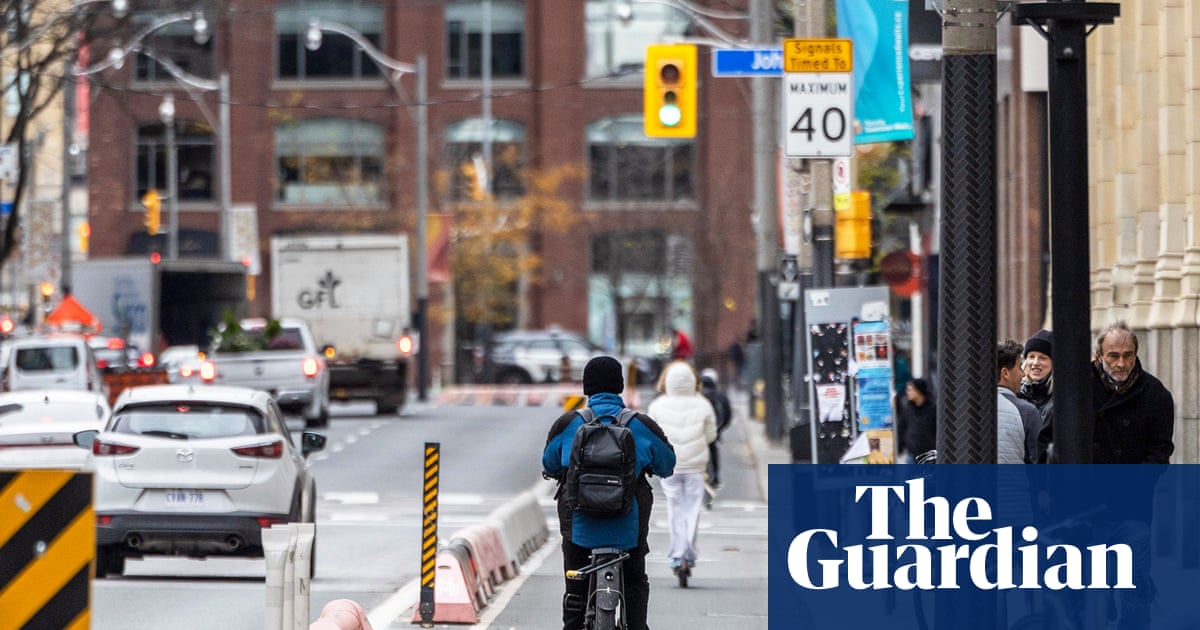
When discussing transit and cycling, Chow accused Bradford of previously supporting fare increases and supporting Premier Doug Ford in his bid to rip out the city’s bike lanes.
asserted
Chow → discuss → lanes
“How could anyone trust you?” she said.
uncertain
she → trust → you
Bradford replied that Chow was “fearmongering.”
With Bradford now positioning himself as the sole candidate who has a shot at challenging Chow, she will have to be more aggressive in the coming weeks if she wants to hang on to the mayorship, Spicer explained.
asserted
Spicer → reply → mayorship
“Chow realizes the challenge without Chris Alexander it’s a little bit different…it’s now more of an evaluation of her first term,” he said.
asserted
he → realize → term
Bradford does not need to win on every policy point, but he does needs to make the case the city is heading in the “wrong direction,” to win, which isn’t difficult to hammer home for some groups, said Spicer.
asserted
Spicer → need → groups
In turn, Chow needs to depict Bradford as a risk for the city while highlighting her accomplishments, he said.
asserted
he → need → accomplishments
However, there is uncertainty about which candidate Alexander’s supporters will choose now that he is no longer an option, said Siemiatycki.
asserted
Siemiatycki → be → candidate
“This could be very good news for Brad Bradford because, like Bradford, Alexander’s campaign was predicated on time for a change,” he said.
uncertain
he → predicate → change
“People who were turning to Chris Alexander for that reason, you might think, might be inclined to transfer over to Brad Bradford,” he said.
uncertain
he → turn → Bradford
“There is this kind of discomfort that Torontonians are conveying to pollsters about how they feel about Bradford’s political persona, style etcetera, and that could lead some of Alexander’s supporters to go with Olivia Chow,” he said.
uncertain
he → be → Chow
However, as Alexander dropped out fairly late in the race, his name will still be on the ballot.
asserted
name → drop → ballot
Siemiatycki warns that many people aren’t following the race closely and might not be aware that Alexander has stepped aside.
uncertain
Alexander → warn → race
“What we know for certain is we’ve got a heavyweight final bought ahead of us for the next two weeks plus.
asserted
final → know → weeks
That should generate increased public attention and maybe even higher voter turnout than usual,” he said.
asserted
he → generate → attention
 The Aporia