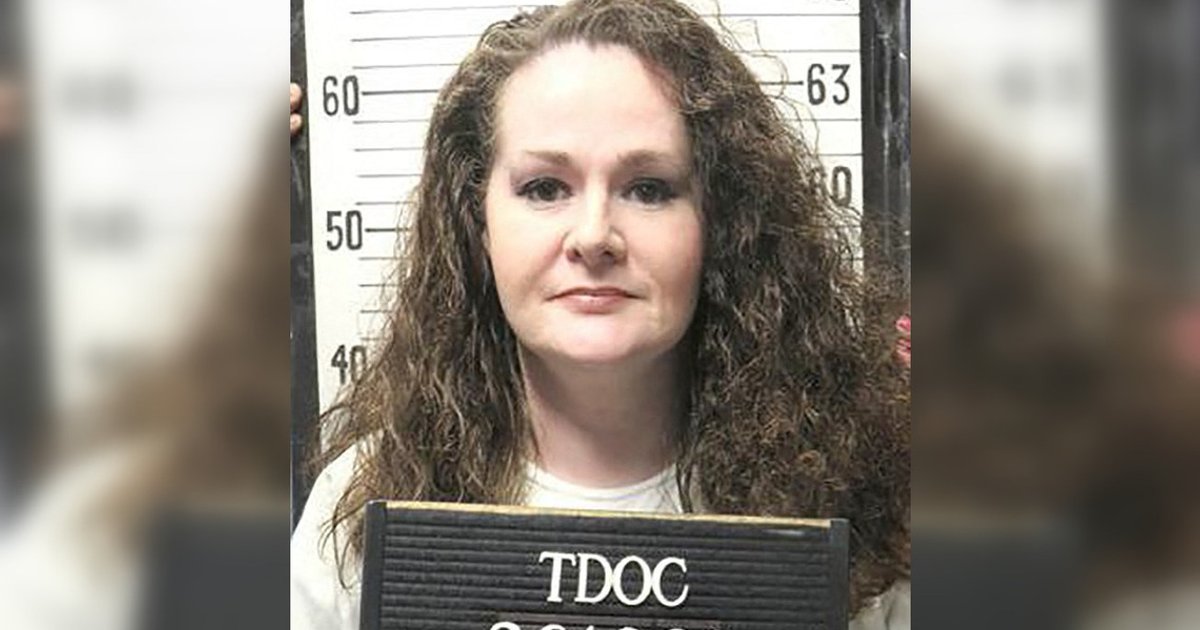
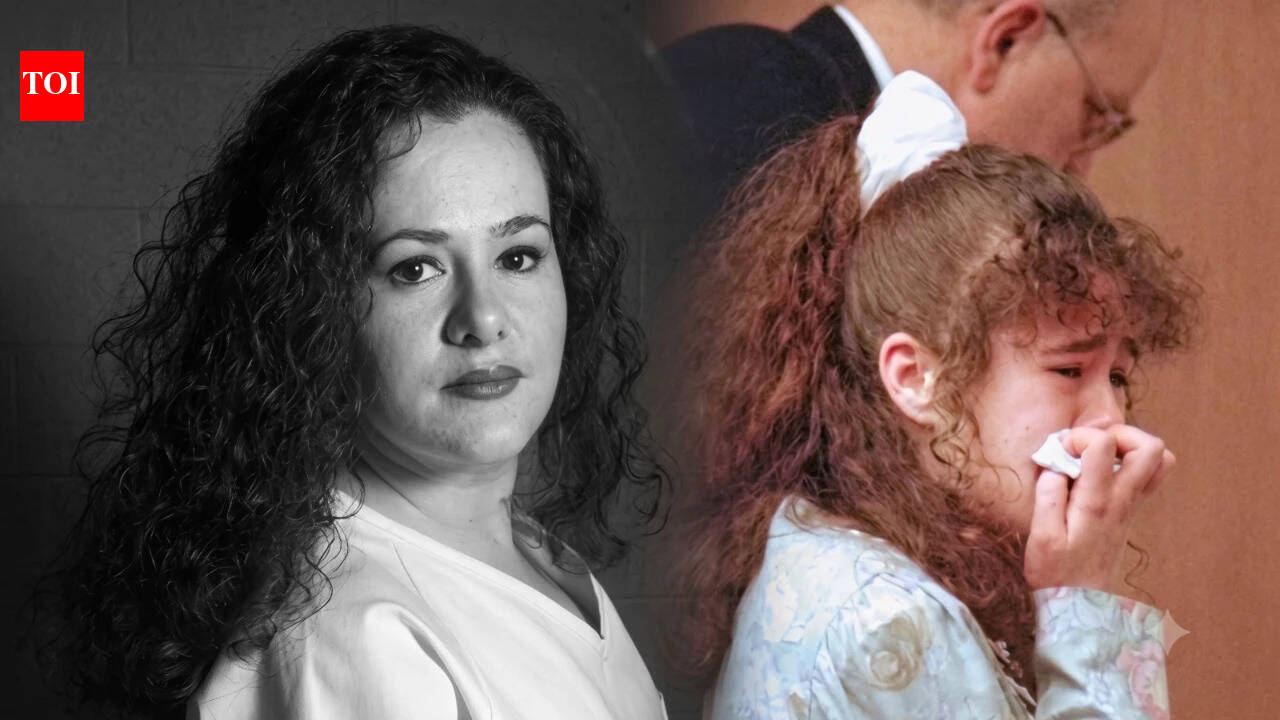
Christa Pike ‘angry and confused’ about Tennessee’s failed execution effort, lawyers say
AI
asserted
lawyers → fail → effort
Christa Pike, sentenced to death for a 1995 murder, awoke “angry and confused” in a hospital this week with a long recuperation ahead after surviving Tennessee’s botched effort to execute her, her lawyers said on Oct 7.
asserted
lawyers → sentence → Oct
A week ago, Pike, 50, was taken from the execution chamber to a Nashville hospital, unconscious, critically ill and with severe arm injuries after two injections of the caustic barbiturate pentobarbital failed to kill her at the Riverbend Maximum Security Institution.
asserted
injections → take → Institution
As late as Oct 5, her lawyers believed Pike was brain dead and that life support would be removed the next day following the second botched execution in Tennessee this year, which has renewed scrutiny of capital punishment in the US.
“But on Tuesday, to the shock of everyone, including me, including her team, and including the medical team, Christa woke up and began talking,” Randall Spivey, one of her lawyers, told reporters after a court hearing on Oct 7, where a judge ordered Tennessee officials to preserve syringes and other evidence from the botched execution.
asserted
judge → believe → execution
“She is angry and confused about everything right now,” Spivey said.
asserted
Spivey → confuse → everything
“She is very aware that the state tried to execute her.”
Governor Bill Lee has suspended all executions for the rest of the year while investigators look into the botched executions of Pike and of Tony Carruthers in May, when prison officials were unable to set up intravenous lines.
uncertain
officials → try → lines
Pike remains very sick and shackled to her hospital bed, facing a long road to recovery, her lawyers said.
She cannot swallow or eat, has pneumonia, cannot move her “tremendously swollen” hands or arms, and it is unclear if she will regain her lost mobility, they said.
uncertain
they → remain → mobility
Although she still has “cognitive confusion,” the lawyers said, she has been speaking with those around her.
asserted
she → have → her
“She has wanted to know what’s happened, and she’s asked about several people,” Spivey said.
asserted
Spivey → want → people
“She’s asked about the victim’s family.”
asserted
She → ask → family
Pike was sentenced to death for her role as a teenager in the 1995 torture and murder of her 19-year-old schoolmate Colleen Slemmer.
asserted
Pike → sentence → schoolmate
She is the first person known to have survived a “completed execution attempt” in the US, her lawyers say, calling it a violation of the Constitution’s prohibition on cruel and unusual punishments.
asserted
lawyers → know → punishments
A unique case
Pike’s lawyers are unexpectedly continuing their litigation against state officials, seeking to pierce the secrecy that normally surrounds execution procedures in Tennessee and other states.
asserted
that → continue → Tennessee
Earlier on Oct 7, a judge in Davidson County Chancery Court, I’Ashea Myles, agreed to order Tennessee officials to preserve all evidence from the failed execution, including syringes, drug packaging and lot numbers, catheters, intravenous lines and gurney restraints.
asserted
judge → agree → syringes
The all-female execution team requested by Pike used at least seven needles during a gruelling ordeal that lasted more than two hours, and one needle was bent 90 degrees when it was pulled out, her lawyers said.
Myles largely sided with Pike’s lawyers at the end of the Oct 7 hearing, describing the litigation, which began in January in an effort to prevent the scheduled execution, as unusual because no one had anticipated Pike surviving.
“This case is unique, to say the least,” Myles said.
asserted
Myles → request → least
She also ordered the state to preserve internal communications about the attempted execution, including incident reports, witness accounts and encrypted messages.
asserted
She → order → reports
She has yet to rule on a request by Pike’s lawyers that the Tennessee Department of Correction let them take any residual traces of the execution drugs for chemical analysis.
asserted
them → have → analysis
The Tennessee Department of Correction has opposed what it says is a “duplicative and unnecessary” preservation order, arguing it is already legally required to preserve all evidence and that it was already willing to share most, if not all, of what Pike’s lawyers sought.
asserted
lawyers → oppose → what
Tennessee and other US states have long struggled to acquire execution drugs.
asserted
Tennessee → struggle → drugs
They cannot be obtained from major pharmaceutical companies because of a European trade ban on companies that sell products for use in torture or executions.
asserted
that → obtain → torture
Tennessee, like other states, has turned to small, largely unregulated compounding pharmacies to make small batches of the drugs, promising to hide their identity.
“Today’s hearing was about transparency, about why Christa, the courts, the media and the public should not simply take the state’s word about what happened last Wednesday,” Luke Ihnen, another lawyer for Pike, told reporters after the judge’s ruling.
asserted
Ihnen → turn → ruling
He repeated the demand that Tennessee Governor Bill Lee commute Pike’s sentence to life in prison and never attempt to execute her again.
asserted
Lee → repeat → her
A spokesperson for Lee, who denied a clemency appeal two days before the failed execution, did not immediately respond to a request for comment.
asserted
who → deny → comment
Pike’s lawyers had sought an alternative to lethal injections, saying her small veins and related medical conditions made her afraid that something would go wrong.
asserted
something → seek → injections
 The Aporia