The Sydney Morning Herald
· collected 2026-10-07 · by Nina Karnikowski
But after years of seriously sweating the small stuff, and one too many hotel bathrooms instructing me to reuse my towels “to save the Earth”, a more complicated truth began to surface.
asserted
truth → sweat → Earth
Many of the little things we well-intentioned travellers fixate on have far less impact than we’d like to believe, while some of the choices that matter most barely feature in the sustainability conversation.
asserted
that → fixate → conversation
That doesn’t mean the small habits are pointless.
asserted
habits → mean → ?
Cultural shifts often start there.
asserted
shifts → start → ?
But after more than a decade reporting from destinations where tourism is both a lifeline and a pressure point, I’ve become increasingly convinced that if we really want our trips to do less harm, and possibly even some good, we need to widen the lens.
uncertain
we → report → lens
Tourism researchers have long pointed to the issue of “leakage”, the reality that in many destinations a significant slice of tourism revenue never meaningfully reaches local communities, draining wealth from the very places tourism claims to support.
uncertain
tourism → point → places
Hotels may be foreign-owned, tour companies headquartered far away from where they operate, and the food on the breakfast buffet flown in from halfway across the world to meet international expectations.
uncertain
food → own → expectations
So while we’re diligently using our bamboo toothbrushes and feeling virtuous about declining the plastic straw, the real financial benefits of our trip may be flowing somewhere else entirely.
uncertain
benefits → use → trip
If we’re serious about travelling more thoughtfully, a question that deserves far more of our attention is: who actually owns this business?
asserted
who → ’re → business
Locally owned accommodation, tour companies, restaurants and shops are far more likely to retain profits within the destination economy, supporting community resilience and cultural richness.
asserted
accommodation → own → resilience
By contrast, large foreign-owned resorts and international chains often send a significant share of their earnings offshore, while offering a version of travel so standardised it can leave guests feeling as though they could be almost anywhere – which is, arguably, the very opposite of what many of us set out in search of.
uncertain
many → own → search
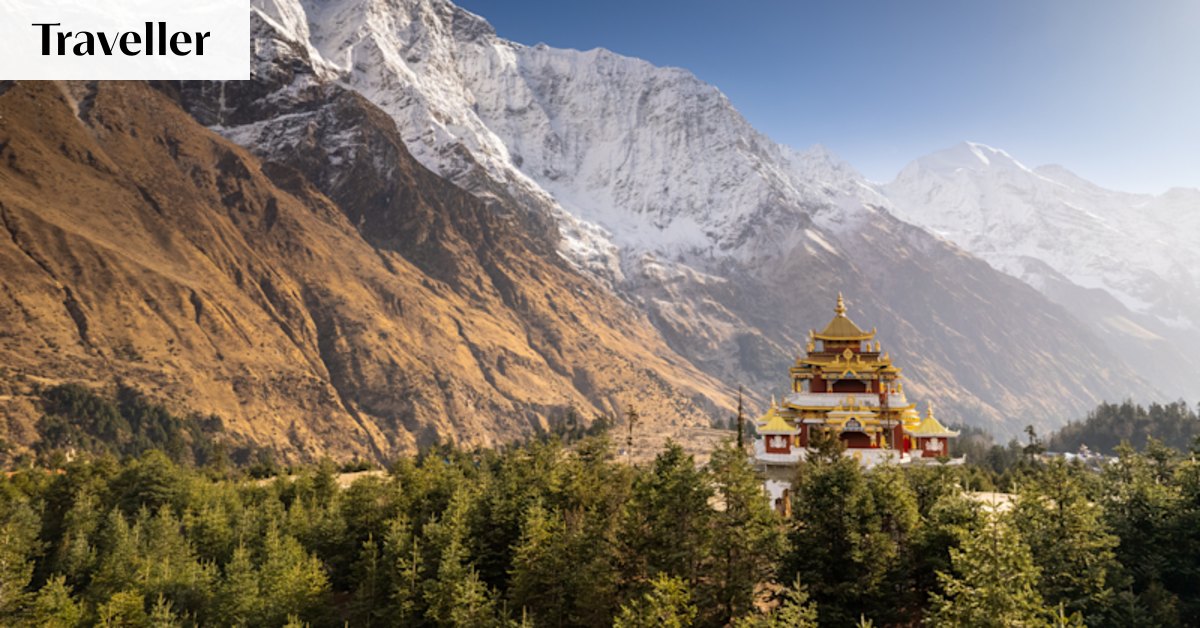
I often think of the small house in Nepal where I stay whenever I’m in the country, first established generations ago by the owner’s family.
asserted
I → think → family
The profits don’t disappear into a distant head office, but help fund the local monastery, support the nearby school and hospital, revive traditional weaving projects and even provide alternative livelihoods for those once involved in deforestation, who now build mountain bike trails.
asserted
who → disappear → trails
There, you can see exactly where tourism dollars land.
asserted
dollars → see → ?
As a broad rule of thumb, though, following local ownership is one of the clearest ways travellers can ensure their spending actually benefits the places they’ve come to experience.
asserted
they → follow → places
Food is another area worth paying attention to.
asserted
Food → pay → attention
In many high-end hotels around the world, a surprising proportion of ingredients may be imported year-round to satisfy globalised tastes.
uncertain
proportion → import → tastes
I’ve stood in more than one eco-lodge staring at breakfast buffets heavy on European cheeses and out-of-season berries.
asserted
I → stand → season
Seeking out locally owned restaurants, seasonal menus and regionally sourced produce helps strengthen local agricultural networks and keeps more tourism dollars circulating nearby.
asserted
dollars → seek → networks
It also, not incidentally, tends to result in far more memorable meals.
asserted
It → tend → meals
Like the one I had with a family in Sumatra last year, when I learnt to make rendang and sambal terasi in their open-air home kitchen.
asserted
I → have → kitchen
As we chopped and stirred, I could ask about everything from how they made their turmeric and ginger grow so prolifically, to what they thought about the palm oil plantations surrounding their home.
uncertain
they → chop → home
By the time we sat down to eat, the meal carried a depth no hotel buffet ever could – not just in flavour, but in connection to the people and landscape that produced it.
uncertain
that → sit → it
Moments like that also tend to shift something less tangible.
asserted
Moments → tend → something
Sitting in a family kitchen, asking questions about soil, harvests and the changing landscape, it becomes harder to hold on to some of the assumptions many of us travel with – particularly the idea that a “good life” looks broadly the same everywhere.
asserted
life → sit → us
In many of the communities I’ve spent time in, wellbeing has far less to do with speed, convenience or accumulation than with strong social ties, meaningful work and a close relationship with place.
asserted
wellbeing → spend → place
Travel, at its best, doesn’t just move money differently.
asserted
Travel → move → money
It rearranges our sense of what really matters.
asserted
what → rearrange → sense
At its most powerful, it can also prompt harder questions about the larger systems shaping the places we claim to love.
uncertain
we → prompt → places
Even the most thoughtful traveller still has to contend with the realities of getting there, and flying can push even the most enthusiastic among us into a mild existential spiral.
asserted
flying → have → spiral
Aviation emissions are real and significant, and the sector remains structurally difficult to decarbonise in the near future.
asserted
sector → remain → future
While carbon offsets are certainly better than doing nothing, they remain an imperfect tool in a system that still relies heavily on fossil fuels.
asserted
that → do → fuels
No amount of personal virtue in the hotel bathroom can fully counterbalance frequent long-haul flying – which is awkward, given how much modern travel culture depends on exactly that.
asserted
culture → counterbalance → that
This doesn’t mean we should all immediately cancel our holidays and take up competitive staycationing.
asserted
we → mean → staycationing
It does mean, however, that frequency matters.
asserted
frequency → mean → ?
One long-haul trip taken slowly and deeply can have a very different footprint to multiple short breaks scattered across the year.
asserted
trip → take → year
Rather than spiralling into flight shame, a more pragmatic shift is to fly less often, stay longer when you do go, and make the journey intentional.
asserted
journey → spiral → shame
The way we structure our trips once we land also matters more than we might think.
uncertain
we → structure → trips
In the age of algorithm-optimised travel planning, it’s easy to fall into the hyperefficient five-cities-in-10-days mindset.
asserted
it → optimise → mindset
But fast travel often increases both environmental impact and economic leakage: more internal flights, more rushed transfers, and more time spent in international-style infrastructure designed for turnover rather than connection.
asserted
travel → increase → connection
…and 12 more, not listed.
 The Aporia