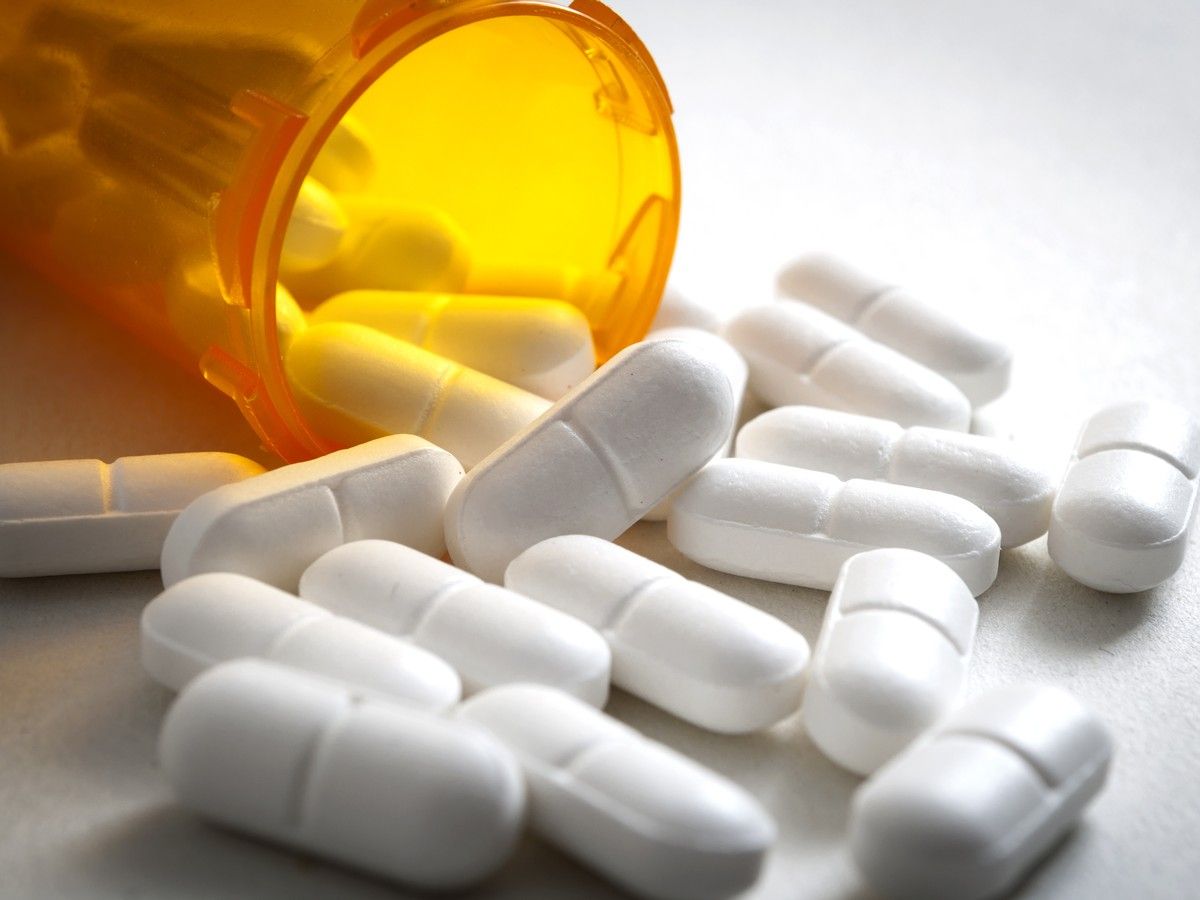
A new rule published in the Federal Register on June 24 suspends a de minimis exemption for imports valued at $800 or less, potentially cutting off millions of Americans' access to cheaper prescription drugs from Canada. Starting October 22, all drug shipments must go through formal customs processes, requiring licensed brokers and financial guarantees, complicating the importation of unapproved medications by the FDA. This change could affect a practice that once saw U.S. consumers spending over $1 billion annually on Canadian drugs due to significantly lower prices there.
Written locally by qwen2.5:14b on 2026-10-07,
using this article's own text rather than the other coverage of the
same event (that is the story summary below).
Americans once spent US$1 billion on prescription drugs from Canada, but new import rules might mean they no longer spend anything at all.
uncertain
they → spend → anything
It’s the consequence of a new rule published in the U.S. Federal Register on June 24, which enforces an indefinite suspension of the de minimis exemption that allows imports valued at $800 or less to arrive through the international postal network without formal customs paperwork.
asserted
imports → ’ → paperwork
And it could result in millions of Americans who use foreign mail-order pharmacies, mostly from Canada, having their supply cut off, according to the Canadian International Pharmacy Association (CIPA).
uncertain
supply → result → Association
The text doesn’t specifically address prescription drugs, but it does say that formal entry is now required for any shipments regulated by Partner Government Agencies (PGA).
asserted
entry → address → Agencies
This includes the U.S. Food and Drug Administration (FDA), which has historically used enforcement discretion for personal-use medicines, with the agency’s personal importation guidance explaining that some shipments of medication may be allowed if the quantity is no more than a three-month supply.
uncertain
quantity → include → supply
National Post spoke to Tim Smith, general manager at CIPA, which represents licensed Canadian pharmacies that ship to U.S. patients.
asserted
that → speak → patients
He explained that the FDA policy “allows agents to use their discretion when a package is coming in for personal use in a quantity not exceeding 90 days,” and that this is the way the system has operated for the past 25 years.
asserted
system → explain → years
“What goes into effect on October 22 is a new system that is much more complicated,” he said.
asserted
he → go → October
This is because, in most cases, drugs purchased from other countries have not been approved for use and sale in the U.S. by the FDA, making them illegal to import.
asserted
them → purchase → FDA
It means that, from Oct. 22, medications mailed from abroad will go through a customs process requiring a licensed customs broker and a financial guarantee.
asserted
medications → mean → broker
“The understanding we have at this point is that the FDA is no longer going to exercise the discretion that they have done traditionally,” said Smith.
asserted
Smith → have → that
And while recent data on the value of these purchases is limited, a Congressional Research Report published in 2007 said that, in 2003 alone, U.S. consumers bought more than $1 billion in prescription drugs from Canada.
asserted
consumers → limit → Canada
Smith explained that Americans who purchase medication from Canada can expect to save 50 to 80 per cent on drugs like Eliquis, which prevents blood clots, and Crestor, which lowers cholesterol.
asserted
which → explain → cholesterol
Meanwhile, the Campaign for Personal Prescription Importation (CPPI), an advocacy organization that campaigns for Americans’ access to prescription medications from Canada, recently published a price study comparing the cost of 10 commonly prescribed brand-name medications in the U.S. and Canada.
asserted
that → campaign → U.S.
They found that American consumers could save an average of 65 per cent by purchasing these medications from licensed Canadian pharmacies.
uncertain
consumers → find → pharmacies
Savings were highest for Jublia, which is used to treat fungal infections and costs $2,422 for a 90-day supply, compared to $257.77 in Canada.
asserted
which → use → Canada
Xifaxan, which treats IBS, costs $11,919 for a 90-day supply in the U.S. compared to $2,325.78 in Canada, according to the CPPI study, while Rybelsus, which is prescribed for type 2 diabetes, cost $2,913 in the U.S. and $1,193.99 in Canada.
uncertain
which → treat → Canada
But Smith said that, following the rule change, CIPA expects the FDA to take a path of “complete enforcement” against all packages entering the U.S., meaning Americans should expect virtually all prescription orders mailed from Canada — and other international pharmacies — to be unable to reach them.
asserted
orders → say → them
He is calling on the FDA, along with U.S. Customs and Border Protection (CBP), to assure the American public that their ability to purchase affordable medications for personal use will be maintained past Oct. 22.
asserted
ability → call → Oct.
Until then, CIPA is advising all U.S. patients to order refills before the deadline and start looking for alternative places to purchase their medication.
asserted
CIPA → advise → medication
National Post has contacted the FDA and CBP for clarification, but did not receive a response before publication.
asserted
Post → contact → publication
As for how the changes will impact Canadian online pharmacies, Smith says: “Because they’re in the mail order business for their service to the United States, some of our pharmacies have located themselves close to international mail facilities.
asserted
some → impact → facilities
As a result of that, they have less presence in neighbourhoods, shopping malls or areas where people live and would go to a pharmacy.
asserted
people → have → pharmacy
He added that these pharmacies may need to make “adjustments” as a result of the change, but that all of CIPA’s members are licensed pharmacies in Canada and serve Canadians too, even if a large portion of their patients may be based in the U.S.
uncertain
portion → add → U.S.
 The Aporia