That is 0 articles you have read today.
The Aporia is free and carries no advertising, so readers are the only
thing paying for it. If you are getting this much out of it, a small
donation is what keeps it independent.
Daily limit reached
You have read 0 articles today.
That is more than the 15 a day The Aporia gives away,
and well past what it can carry on nothing. Your allowance resets at
midnight.
There is no advertising here and nothing about you is sold, so readers
are the only thing paying for it. If the site is worth this much of
your day, it is worth a few dollars.
Everything else stays open: the
maps, the
directory and
search do
not count against this, and neither does re-opening something you have
already read today.
An advocacy group called the International Legal Forum has published an online dictionary highlighting terms that have been misused since the outbreak of the Israel-Hamas war three years ago. The CEO, Michal Cotler-Wunsh, emphasizes that the misuse of legal terms like "genocide" and "apartheid" undermines the integrity of law. The dictionary includes examples from various countries where these terms have been weaponized against Israel, such as Canada, and provides context on how these terms were originally defined and their current misapplication in political contexts.
Written locally by qwen2.5:14b on 2026-10-07,
using this article's own text rather than the other coverage of the
same event (that is the story summary below).
Story summary
The International Legal Forum, led by CEO Michal Cotler-Wunsh, released a dictionary on October 7, the third anniversary of Hamas's attack that killed 1,200 people and took 251 hostages in Israel. The dictionary aims to address what the group considers the misuse of terms such as “genocide,” “apartheid,” “war crimes,” and “crimes against humanity.” Cotler-Wunsh asserts that misusing these legal terms as political weapons threatens the integrity of law beyond just the conflict with Hamas. The resource details how these terms have been weaponized against specific countries and provides examples of their misuse in recent years, highlighting concerns about the erosion of language in discussions related to Israel and the ongoing conflict.
Written for “Israel Hamas War Media Messaging” on 2026-10-07,
grounded in this article and the 0 other(s) covering the same event.
Why this leaning score
The model judged this article politically coded and scored it +0.65, but all 3 of its quote(s) are attributed speech - words the article quotes from someone, not the article's own narration, so the score is not published.
Written under an earlier scoring contract, which gave a paragraph
rather than checkable quotes. Re-analysing this article replaces it.
Leaning score withheld for article 62576: attributed speech only · logged 2026-10-07
An advocacy group has released a dictionary full of terms that it says have been hijacked and misused, particularly for the past three years, since the outbreak of the Israel-Hamas war.
asserted
it → release → war
“The initiative emerges from a growing recognition that the erosion of language is not merely a semantic concern,” says Michal Cotler-Wunsh, the CEO of the International Legal Forum, the group behind the new online resource.
asserted
Wunsh → emerge → resource
“When terms such as ‘genocide,’ ‘apartheid,’ ‘war crimes,’ and ‘crimes against humanity,’ are detached from their legal definitions and repurposed as political weapons, the consequences extend far beyond a specific conflict, article, post, or courtroom.
asserted
consequences → detach → conflict
The integrity of law itself is placed at risk.
asserted
integrity → place → risk
The dictionary not only defines the terms, but provides which countries the terms have been weaponized against.
asserted
terms → define → countries
It provides real-world examples and examines how words have been misused.
asserted
words → provide → examples
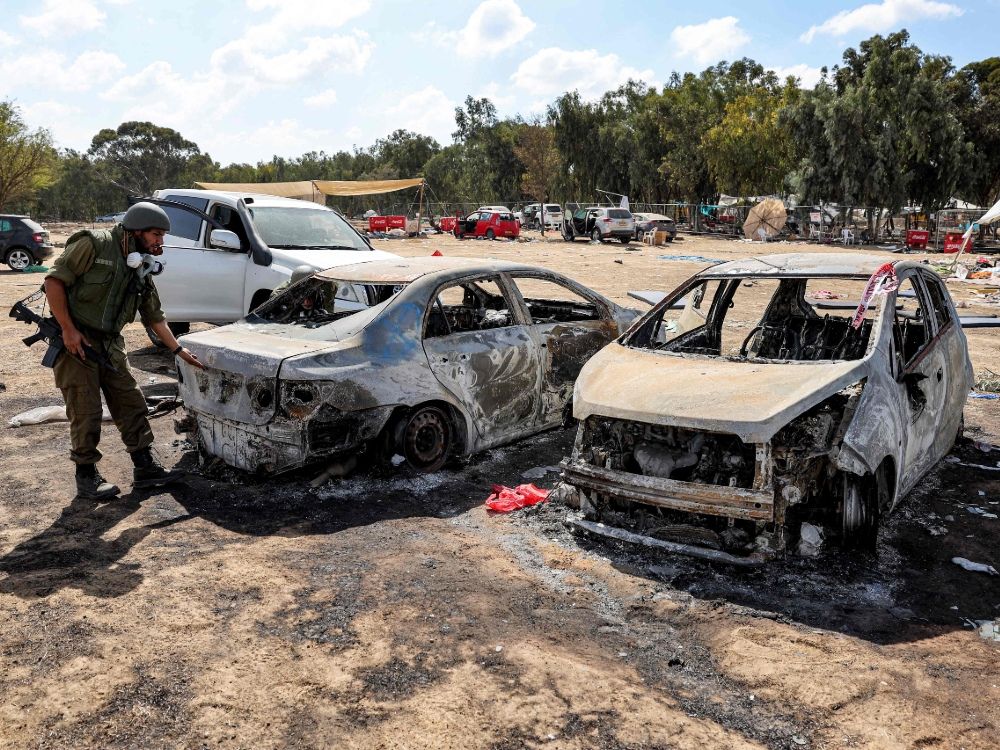
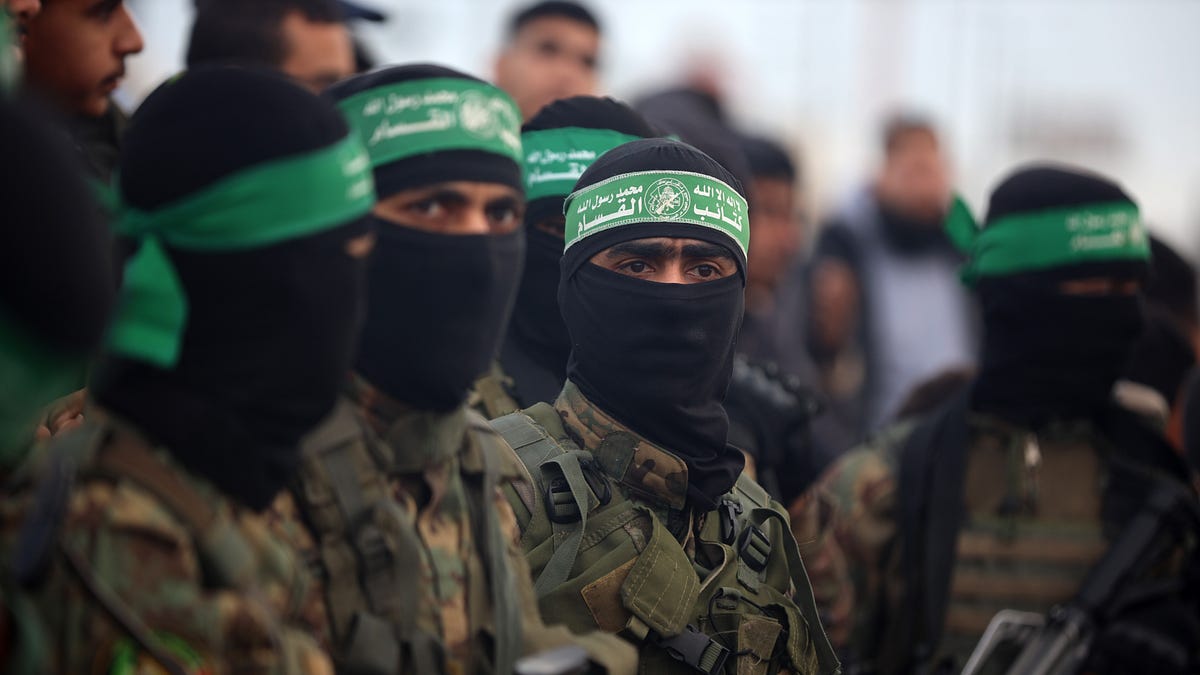
Its release falls on Oct. 7, the third anniversary of when Hamas terrorists murdered 1,200 people in Israel and took 251 hostage.
asserted
terrorists → fall → 251
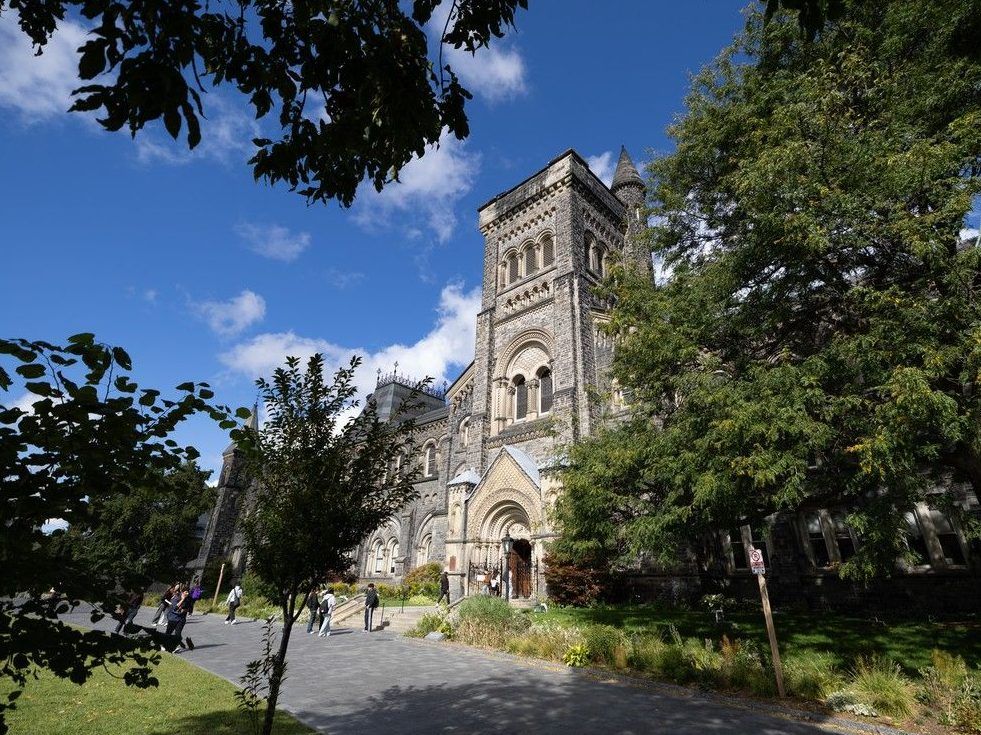
Several university campuses in Canada housed encampments that demanded support for Israel come to an end and called the war a genocide.
asserted
support → house → war
The term genocide was coined in the aftermath of the Holocaust, when six million Jewish people were targeted and systematically murdered by the Nazi regime in Europe.
asserted
people → coin → Europe
She said the attempt to “hijack” such terms is done to “demonize, delegitimize, and apply double standards to ‘the Jew’ among nations.”
asserted
attempt → say → nations
“It has enabled the unleashing of this unconventional weapon, the ultimate lie in the ‘progressive’ antisemitism playbook: accusing Israel of genocide, even as it defends itself from openly declared genocidal intent launched with Hamas’s pre-meditated war crimes and crimes against humanity,” she said.
asserted
she → enable → humanity
The term was used against Israel immediately after October 7, even before they responded to the attack, she added.
asserted
she → use → attack
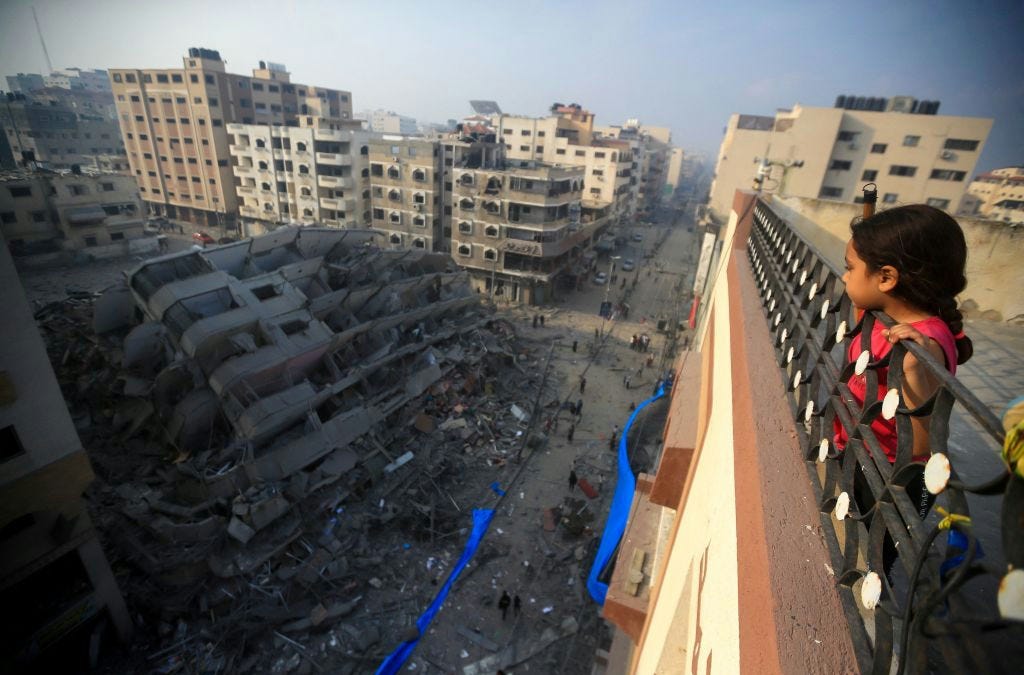
In a 2025 report and again in 2026, the United Nations accused Israel of committing genocide.
asserted
Nations → accuse → genocide
Many experts and Jewish advocacy groups strongly denied that claim.
uncertain
experts → deny → claim
In response, a statement from Israel said the report “relies entirely on Hamas falsehoods, laundered and repeated by others.”
asserted
report → say → others
The dictionary lists Canada as a country that the term genocide is weaponized against.
asserted
term → list → that
“Canada continues to embolden genocidal terror and tyranny,” said Cotler-Wunsh.
asserted
Wunsh → continue → terror
Tragedies occur, especially when that is the intent of those who deliberately and systematically hide amongst and below civilians.
asserted
who → occur → civilians
According to the International Legal Forum, the dictionary is intended to make vital legal principles and terms accessible to a broad audience.
uncertain
principles → accord → audience
 The Aporia