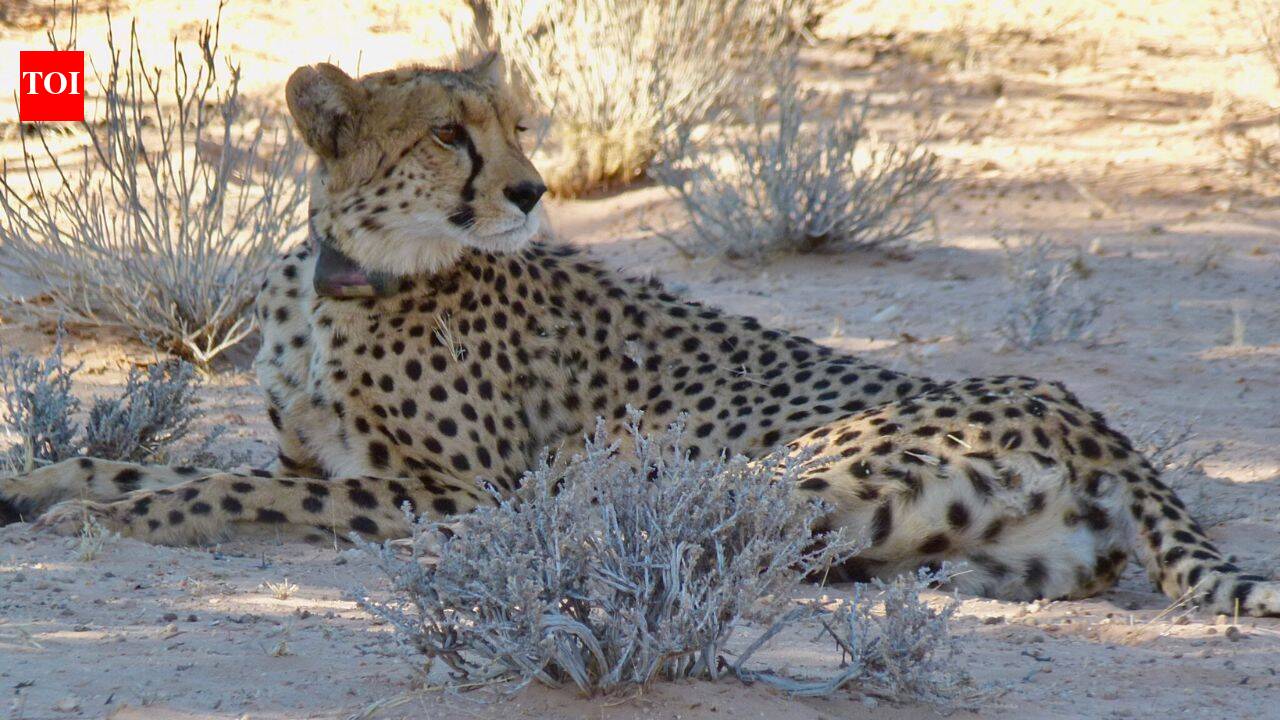
Six cheetahs have returned to Zambia’s Greater Luangwa Ecosystem after nearly three decades without confirmed sightings.
asserted
cheetahs → return → sightings
The 3 males and 3 females were moved from South Africa to a remote part of North Luangwa National Park in July 2026, beginning a carefully planned effort to rebuild a wild population.
asserted
males → move → population
The project is not simply about releasing 6 animals.
asserted
project → release → animals
Conservationists have spent years assessing habitat, strengthening protection and working with communities so the wider landscape can support cheetahs again.
asserted
landscape → spend → cheetahs
The first arrivals are now being closely watched as the restoration effort moves into its most important stage.
asserted
effort → watch → stage
Cheetahs are returning to the Greater Luangwa Ecosystem
Cheetahs were once part of the Luangwa Valley, but they disappeared from the region during the 1990s.
asserted
they → return → 1990s
The Cheetah Conservation Initiative says the last sighting was recorded in 1997.
asserted
sighting → say → 1997
The disappearance is associated with successive anthrax outbreaks and wider human disturbance.
asserted
disappearance → associate → outbreaks
The landscape has changed since then.
asserted
landscape → change → ?
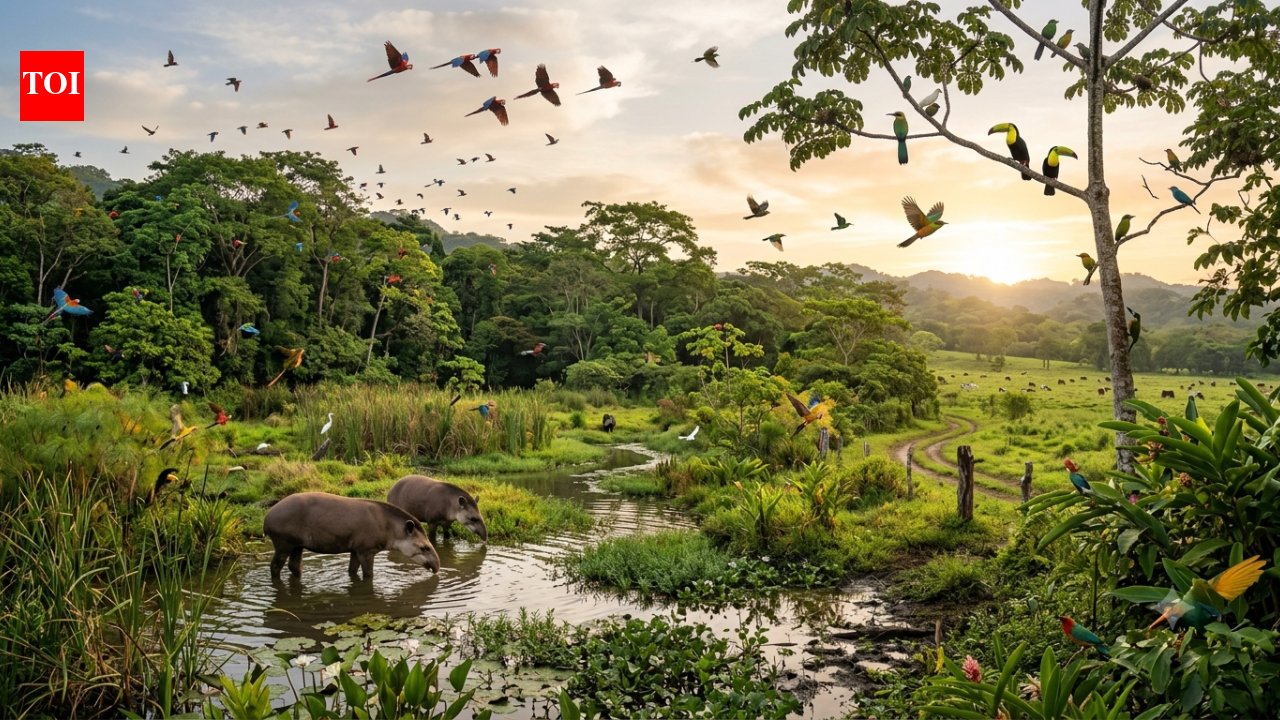
According to Mongabay, conservation work in North Luangwa and South Luangwa national parks has helped produce healthier prey populations and allowed other large carnivores, including lions and African wild dogs, to flourish.
uncertain
carnivores → accord → lions
However, cheetahs are unlikely to return naturally because the nearest viable populations are too far away and disconnected.
asserted
populations → return → ?
That makes a planned reintroduction the practical route back.
asserted
reintroduction → make → ?
The Cheetah Conservation Initiative says planning began during the 2017–18 revision of Zambia’s National Conservation Action Plan, with the Luangwa Valley identified as suitable for cheetah recovery.
asserted
Valley → say → recovery
The government formally approved the project in May 2024 after years of preparation and discussions with conservation partners and local communities.
uncertain
government → approve → partners
A second group of cheetahs is scheduled to join them later to strengthen the founding population.
asserted
group → schedule → population
What makes North Luangwa suitable for the cats
North Luangwa was selected after a detailed assessment rather than simply because cheetahs historically lived there.
asserted
cheetahs → make → assessment
Africa Geographic reports that the Zoological Society of London used information on cheetah movements and habitat use from other locations to assess suitable areas in the Luangwa Valley.
asserted
Society → report → Valley
Four potential sites were compared before a remote southern section of North Luangwa National Park was chosen.
asserted
section → compare → Park
The area also offers a mixture of habitats.
asserted
area → offer → habitats
Riverine woodland, floodplains, thickets and more open ground give cheetahs different places to hunt and move through.
asserted
woodland → give → places
This variety could also help them avoid lions, leopards and spotted hyenas, all of which can compete with or kill cheetahs.
uncertain
all → help → cheetahs
Discover Africa notes that North Luangwa covers more than 4,500 square kilometres and contains riverine forests, open grasslands and prey such as impala and puku.
asserted
Luangwa → note → impala
The wider Greater Luangwa Ecosystem covers about 70,000 square kilometres, giving a wide-ranging species room to move beyond the initial release area.
asserted
Ecosystem → cover → area
The first group consists of three males and three females selected from South Africa’s managed cheetah population.
asserted
group → consist → population
Wildlife Vagabond reports that the males include two brothers and a solitary male, while the females include two sisters and a solitary female.
asserted
females → report → sisters
The animals underwent veterinary checks before being transported to Zambia.
asserted
animals → undergo → Zambia
The selection was also based on qualities that could improve their chances of coping with North Luangwa.
uncertain
that → base → Luangwa
Africa Geographic reports that the founders were chosen for factors including age, sex, genetic diversity and previous experience living alongside competing predators.
asserted
founders → report → predators
They came from South African reserves where they had already lived independently with lions and similar prey.
asserted
they → come → lions
The Cheetah Conservation Initiative describes a three-stage process.
asserted
Initiative → describe → process
The project built 4 holding bomas and a 2,000-hectare predator-proof sanctuary for the process.
asserted
project → build → process
The cats were flown directly to a remote sector in the southern section of the park.
asserted
cats → fly → park
What happens before the cheetahs roam freely
The cats are not being released straight into the wilderness.
asserted
cats → happen → wilderness
Discover Africa reports that they underwent quarantine before being flown to a remote part of southern North Luangwa, where they entered a two-stage soft-release process.
asserted
they → report → process
The sanctuary allows them to become familiar with the surroundings before they move into the unfenced landscape.
asserted
they → allow → landscape
The Cheetah Conservation Initiative says the sanctuary is intended to encourage familiarity with the release area and support natural social behaviour and territory formation.
asserted
sanctuary → say → behaviour
The animals are also fitted with satellite and VHF tracking collars.
asserted
animals → fit → collars
8 trained Zambian monitors will follow the cheetahs, while veterinary and conservation teams will watch their health, movements, hunting behaviour and interactions with other animals.
asserted
teams → train → animals
The information will help managers change future releases if the first animals face unexpected difficulties.
asserted
animals → help → difficulties
Can six animals establish a lasting population
asserted
animals → establish → population
…and 9 more, not listed.
 The Aporia