That is 0 articles you have read today.
The Aporia is free and carries no advertising, so readers are the only
thing paying for it. If you are getting this much out of it, a small
donation is what keeps it independent.
Daily limit reached
You have read 0 articles today.
That is more than the 15 a day The Aporia gives away,
and well past what it can carry on nothing. Your allowance resets at
midnight.
There is no advertising here and nothing about you is sold, so readers
are the only thing paying for it. If the site is worth this much of
your day, it is worth a few dollars.
Everything else stays open: the
maps, the
directory and
search do
not count against this, and neither does re-opening something you have
already read today.
On October 7, Kosovo’s parliament elected Justina Shiroka Pula as the new president with 81 votes out of 120 to avoid a snap election. Shiroka Pula's victory came after negotiations between Prime Minister Albin Kurti’s ruling party and the opposition Democratic Party regarding limitations on a war crimes court in The Hague, which had faced protests from demonstrators demanding softer sentencing policies.
Written locally by qwen2.5:14b on 2026-10-07,
using this article's own text rather than the other coverage of the
same event (that is the story summary below).
Story summary
On October 7, Kosovo's parliament elected economist Justina Shiroka Pula as president by a narrow margin of 81 votes out of 120. The election prevented the need for another snap parliamentary election, which had occurred earlier that year in June due to similar political deadlock. Vetevendosje party Prime Minister Albin Kurti and opposition Democratic Party agreed on limiting the powers of a Kosovo war crimes court in The Hague. However, this agreement led to protests, with police using tear gas and water cannon to disperse demonstrators who opposed changes that critics said would make punishments too lenient. The court had previously sentenced former President Hashim Thaci and others to 81 years combined prison terms.
Written for “Kosovo Presidential Election Avoiding…” on 2026-10-07,
grounded in this article and the 0 other(s) covering the same event.
Why this leaning score
This article does not take a side on a contested political
question, so it has no leaning score. That is an
answer rather than a gap: a match report or a rescue can be warmly
or critically written without being left or right, and scoring it
anyway is how approval of a subject gets recorded as a political
position.
No political leaning scored for article 61550 · logged 2026-10-07
Kosovo parliament elects new president, avoiding snap election
PRISTINA, Oct 7 -
asserted
parliament → elect → election
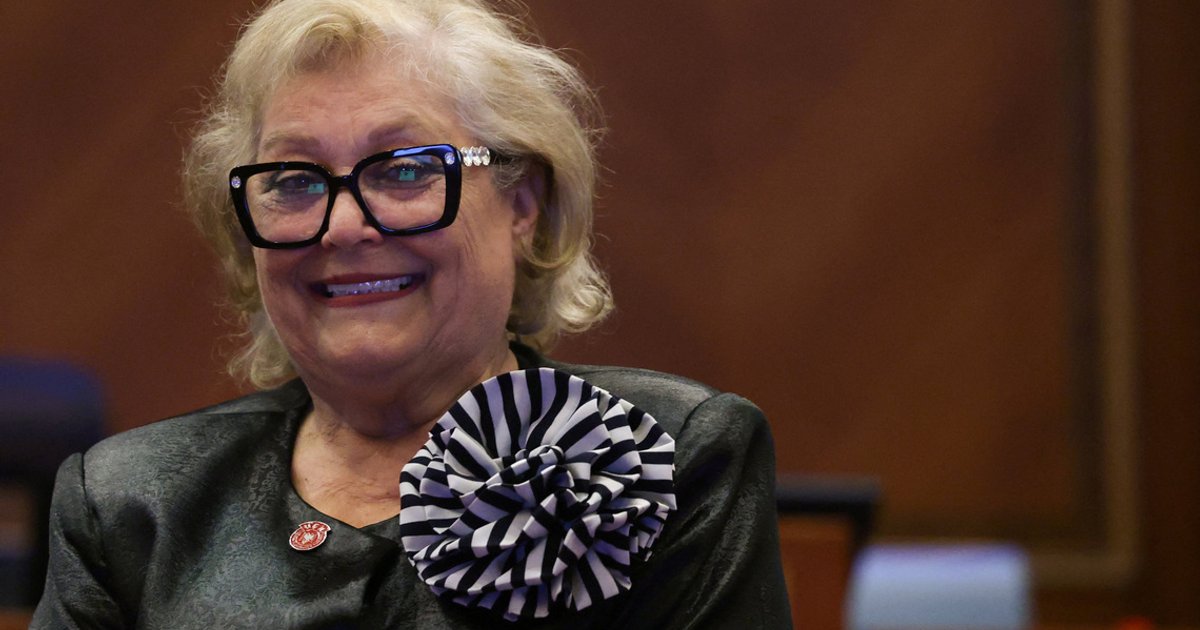
Kosovo's parliament elected economist Justina Shiroka Pula as the country's largely ceremonial president just before a constitutional deadline, avoiding another snap election in one of the poorest countries in Europe.
asserted
parliament → elect → Europe
She received 81 votes, one more than she needed, in the 120-seat parliament in the early minutes of Wednesday.
asserted
she → receive → Wednesday
Failure to elect a new president would have triggered snap parliamentary elections in the Balkan country, as it did in June.
asserted
it → elect → June
"This mandate does not belong to just one person.
asserted
mandate → belong → person
It belongs to our citizens...
asserted
It → belong → citizens
I will be the president of all citizens," Shiroka Pula said after the vote.
asserted
Pula → say → vote
Shiroka Pula's election followed a deal between the ruling Vetevendosje party of Prime Minister Albin Kurti and opposition Democratic Party of Kosovo to limit the powers of a Kosovo war crimes court in The Hague.
asserted
election → follow → Hague
Police fired tear gas and used water cannon on Monday to disperse demonstrators demanding the changes be approved.
asserted
changes → fire → demonstrators
Critics have asserted the Hague court's punishments are too harsh.
asserted
punishments → assert → ?
The court on September 16 sentenced former President Hashim Thaci and three others to a combined 81 years in prison for war crimes during the territory's violent break from Serbia in 1998-1999.
asserted
court → sentence → 1998
The presidency is mainly ceremonial in Kosovo but has often been a source of political instability because a two-thirds parliamentary majority is needed to elect a president and parties have struggled to agree on a candidate.
asserted
parties → need → candidate
Shiroka Pula, born in 1953, is the president of Kosovo's Academy of Sciences and Arts and an economics professor who served as minister of the economy between 2008 and 2011.
asserted
who → bear → 2008
 The Aporia