That is 0 articles you have read today.
The Aporia is free and carries no advertising, so readers are the only
thing paying for it. If you are getting this much out of it, a small
donation is what keeps it independent.
Daily limit reached
You have read 0 articles today.
That is more than the 15 a day The Aporia gives away,
and well past what it can carry on nothing. Your allowance resets at
midnight.
There is no advertising here and nothing about you is sold, so readers
are the only thing paying for it. If the site is worth this much of
your day, it is worth a few dollars.
Everything else stays open: the
maps, the
directory and
search do
not count against this, and neither does re-opening something you have
already read today.
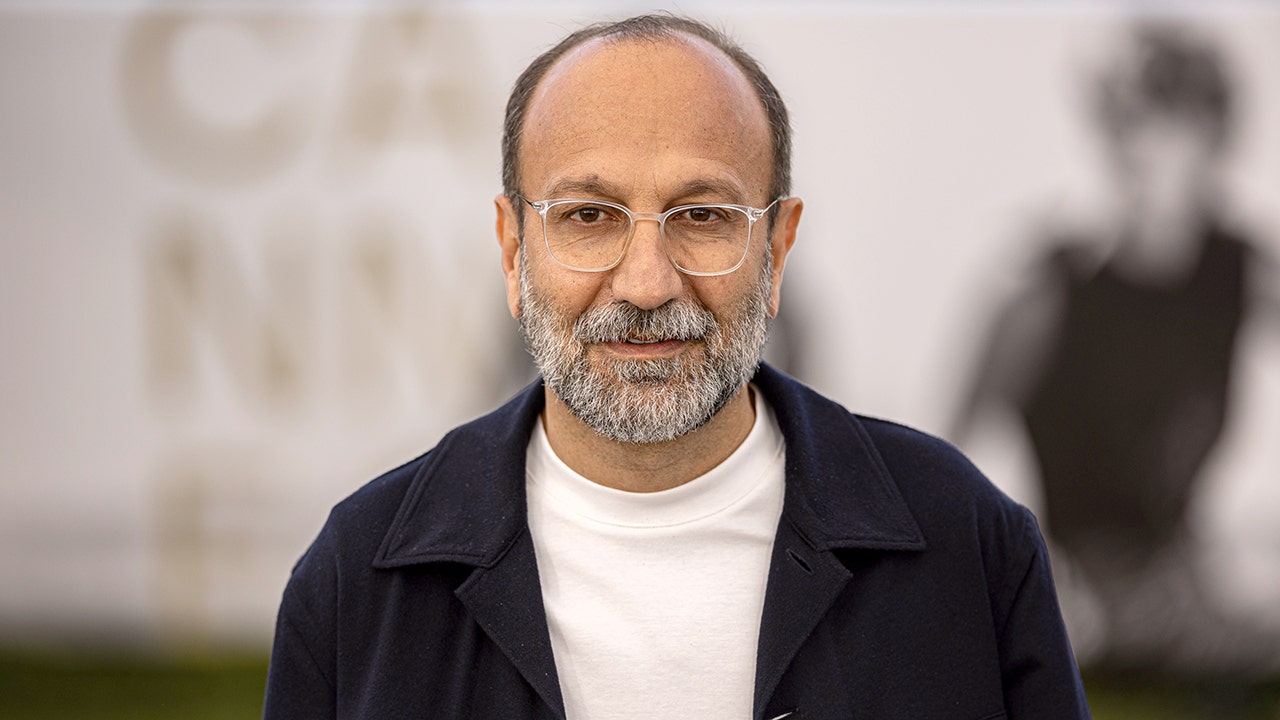
At the Rio Film Festival in Brazil, Iranian filmmaker Asghar Farhadi criticized Hollywood's portrayal of Iran and other foreign countries as inaccurate and stereotypical during a discussion about his film "Parallel Tales." He specifically targeted Ben Affleck’s movie “Argo,” questioning why an American would be portrayed as saving people from another country when locals can save themselves. Farhadi also claimed that calling the United States a democracy is a "lie," suggesting instead that true democracy exists among marginalized groups in America.
Written locally by qwen2.5:14b on 2026-10-06,
using this article's own text rather than the other coverage of the
same event (that is the story summary below).
Story summary
At the Rio Film Festival in Brazil on Friday, Asghar Farhadi, an Oscar-winning Iranian filmmaker, criticized Hollywood's portrayal of foreign countries like Iran as a form of propaganda. While promoting his film "Parallel Tales," Farhadi was questioned about "Argo" winning Best Picture at the Oscars just one year after his own film won for Best Foreign Language Film. Directed by Ben Affleck and based on CIA operative Tony Mendez's memoir, "Argo" depicts a fictionalized account of Mendez rescuing six U.S. diplomats from Iran in 1979. Farhadi dismissed the film as "not deep," criticizing its reliance on a white American hero figure to save others, despite Mendez being of Mexican descent. He accused Hollywood of making such films for profit and suggested they depict America's democracy as a lie by showing Americans always coming to save other nations' people when those people can help themselves.
Written for “Iranian Director Critiques Hollywood” on 2026-10-07,
grounded in this article and the 0 other(s) covering the same event.
Why this leaning score
The model judged this article politically coded and scored it -0.65, but none of the 3 quote(s) it offered could be found in the article text, so the score is not published.
Written under an earlier scoring contract, which gave a paragraph
rather than checkable quotes. Re-analysing this article replaces it.
Leaning score withheld for article 61300: no verified evidence · logged 2026-10-06
Oscar-winning Iranian filmmaker Asghar Farhadi called out Hollywood's depiction of Iran and other foreign countries at the Rio Film Festival in Brazil on Friday, claiming it is a "lie" to call America a "democracy."
asserted
it → win → America
While promoting his film "Parallel Tales," Farhadi was asked about the 2012 movie "Argo" winning Best Picture just one year after his film "A Separation" won Best Foreign Language Film at the Oscars.
asserted
film → promote → Oscars
"Argo," directed by Ben Affleck, stars Affleck as CIA operative Tony Mendez in a loose adaptation of Mendez's memoir on the rescue of six U.S. diplomats from Iran by pretending to film a science-fiction movie in the nation.
asserted
Argo → direct → nation
Farhadi described the film as a "Hollywood thing" and suggested it was "not deep" based on its plot involving a "White guy" saving others, though Mendez in real life was of Mexican descent.
uncertain
Mendez → describe → descent
"They make these movies for money; it’s a business," Farhadi said, according to Variety.
uncertain
Farhadi → make → Variety
"And in these films it’s always a [W]hite guy from the United States saving others.
asserted
it → ’ → others
Why does an American go to Cuba or Iran to save people?
asserted
American → go → people
People understand they can save themselves.
asserted
they → understand → themselves
Who asked you to come and save us?"
asserted
Who → ask → us
Farhadi also accused "Argo," which took place after the 1979 Iranian Revolution, of portraying Iran "like you're in hell."
asserted
you → accuse → hell
"The problem with these kinds of films in Hollywood [and] some people in the United States [is that] they look at the world from up to down," Farhadi said.
asserted
Farhadi → look → world
"Someday you should ask them: Why do you feel you’re up and we’re down?
asserted
we → ask → them
I don’t understand why they have this ego that they’re up."
asserted
they → understand → ego
Farhadi also denied Americans' claim to "have democracy," saying he believed the "real America" exists among Black and foreign prisoners.
uncertain
America → deny → prisoners
"You don’t have democracy.
asserted
You → have → democracy
It’s a lie," Farhadi said.
asserted
Farhadi → ’ → ?
Fox News Digital reached out to Farhadi's and Affleck's representatives for comment.
asserted
Digital → reach → comment
Media Research Center President David Bozell called out Farhadi's negative view of America and American films in a comment to Fox News Digital.
asserted
Bozell → call → Digital
"America was asked to save the world, and we did, not once, but twice.
asserted
we → ask → world
And we’re always preparing to do it again, if we’re asked to, at a moment’s notice.
asserted
we → prepare → notice
Maybe Hollywood makes movies about Americans saving the world for a reason," Bozell said.
asserted
Bozell → make → reason
 The Aporia