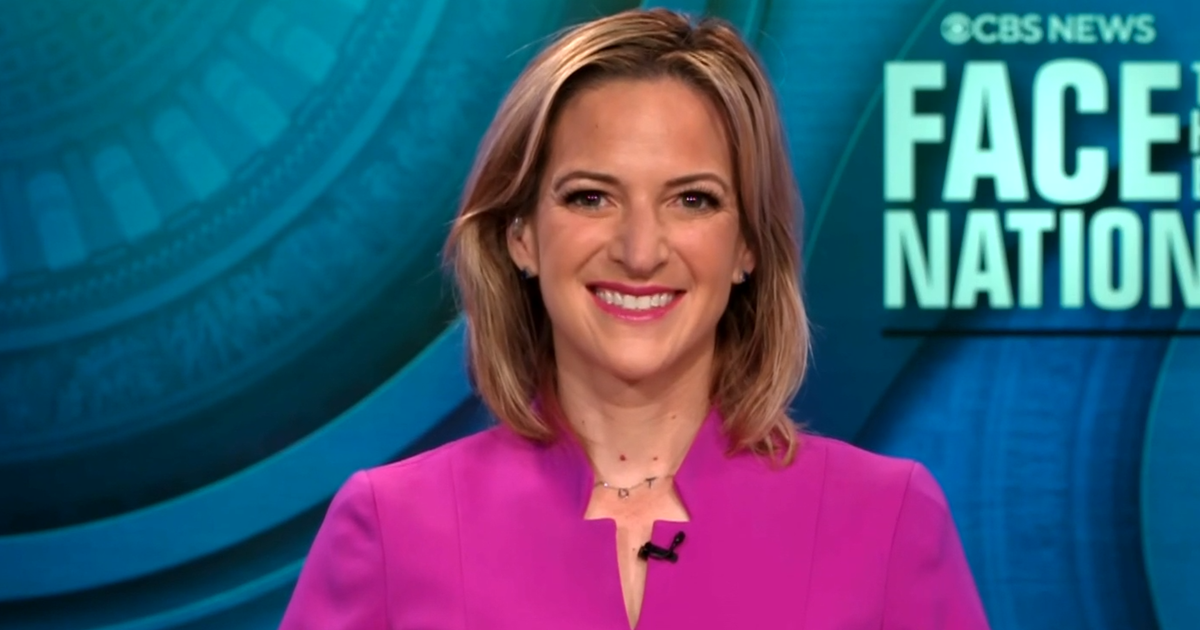
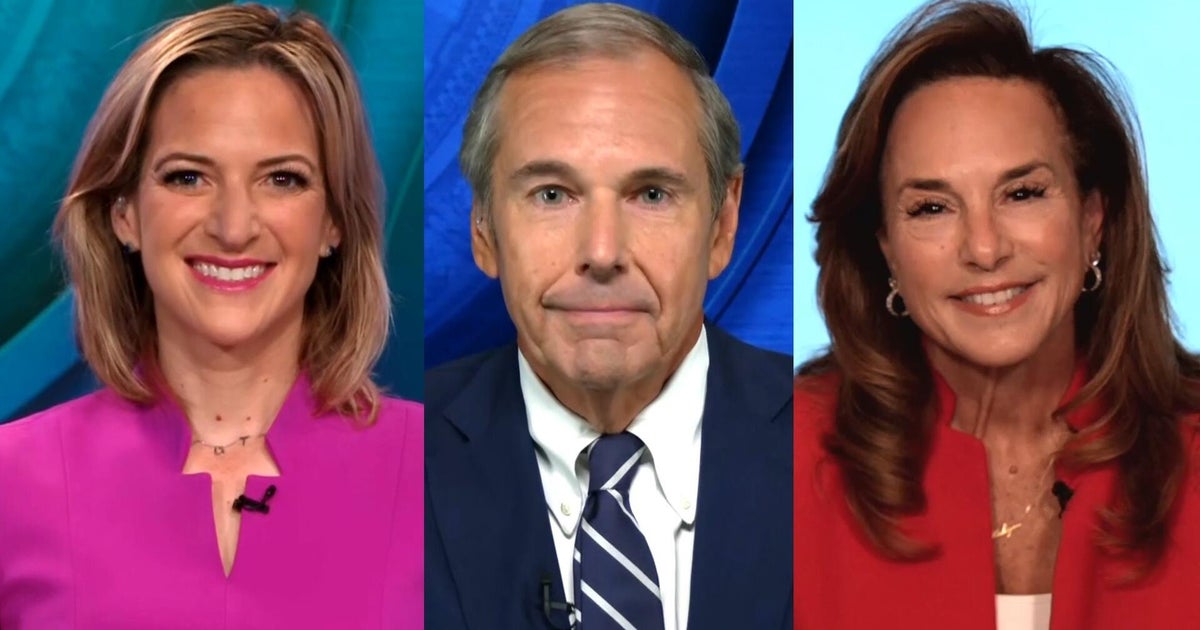
The following is the transcript of the interview with Michigan Secretary of State Jocelyn Benson, Democratic nominee for governor, that aired on "Face the Nation with Margaret Brennan" on Sept. 6, 2026.
asserted
that → follow → Sept.
We turn now to Michigan Secretary of State Jocelyn Benson, who is the Democratic nominee for governor in Michigan.
asserted
who → turn → Michigan
I want to get to that issue of affordability.
asserted
I → want → affordability
A new University of Michigan analysis revealed 40% of the state's population struggles to pay for basic necessities.
asserted
% → reveal → necessities
Is that affordability issue something you can improve on as governor?
asserted
you → improve → governor
Our campaign is ultimately about driving down costs, growing our economy so that we can increase well-paying jobs in our state, protecting democracy and ending corruption.
asserted
we → drive → corruption
And everywhere I go in Michigan, I hear heartbreaking stories about choices that residents are having to make.
asserted
residents → go → that
Moms having to choose between whether to pay for food or childcare.
asserted
Moms → have → food
Seniors on a fixed income trying to decide how they're going to still pay for medicine with these rising costs.
asserted
they → fix → costs
The next governor of Michigan must address these, and I've done that as Secretary of State.
asserted
I → address → State
I know how to fix broken systems.
asserted
I → know → systems
I've run our state agencies well.
asserted
I → run → agencies
I've improved our democracy.
asserted
I → improve → democracy
I improved our Department of Motor Vehicles in a way that has saved people time, saved people money and made their lives easier.
asserted
lives → improve → money
I've done that as Secretary of State.
asserted
I → do → State
I'm ready to do that as Governor.
asserted
I → do → Governor
Well, one of the challenges in Michigan, of course, is the fact that a large portion of your state's exports, 36%, go north to Canada.
asserted
portion → go → Canada
On Tuesday, Canada's tariffs on steel and aluminum products, U.S.-made dairy and appliances will go into effect as part of this trade dispute.
asserted
tariffs → go → dispute
It's going to be between 15 to 50% on $20 billion worth of American-made goods.
asserted
It → go → goods
How much is that going to hit Michigan?
asserted
that → go → Michigan
It already has.
asserted
It → have → ?
I mean, since Trump took office, we've seen our- our expenses go up, and these tariffs, particularly with Canada, have increased prices in Michigan more than any other state.
asserted
tariffs → mean → state
The average Michigan family is paying $5,600 more.
asserted
family → pay → 5,600
He's voted multiple times in support of them instead of in support of the people of Michigan.
asserted
He → vote → Michigan
And Michiganders need a governor--
MARGARET BRENNAN: Yeah.
SEC. BENSON: --who will lower their costs and stand up to the president, as I've done as Secretary of State.
MARGARET BRENNAN: Yeah.
asserted
I → need → State
So I announced this week my intention as governor to ensure we're negotiating subnational agreements, partnering with other governors if necessary, to ensure we're developing ways to, in spite of the federal government's best efforts to drive up costs--
MARGARET BRENNAN:
asserted
we → announce → costs--
SEC. BENSON: --with these taxes and tariffs, negotiate subnational agreements that will drive down costs and protect the people of Michigan.
asserted
that → negotiate → Michigan
That's what we need the next governor to be able to do, and that's what I've done and will do as governor.
asserted
I → need → governor
He said he doesn't want more trade dispute and will talk to the White House about it.
asserted
he → say → it
You just said subnational agreements, but practically speaking, how at the state level can you do anything to cancel out the costs coming from the federal government's dispute?
asserted
you → say → dispute
Well, first, it's important to note my- my opponent could talk a good game, but the bottom line is he's either been silent or he's voted for these tariffs.
uncertain
he → note → tariffs
And that means we call these tariffs in Michigan the John James tax.
asserted
we → mean → Michigan
Because of his actions, because of his inability to stand up to the president as a congressman, we are hit with these taxes, we are hit with these increased prices, and he has to take responsibility for that instead of running away from it.
asserted
he → stand → it
But in addition to that, subnational agreements are things that governors in other states have already talked about and negotiated to drive down costs when the federal government won't do that.
asserted
government → talk → that
So, as governor, I can meet with officials in Canada and identify specific ways we can ensure trade between--
MARGARET BRENNAN: Yeah.
SEC. BENSON: --Michigan and Canada gets around these tariffs, reduces costs.
asserted
BENSON → meet → costs
And in particular, when it comes to our auto industry, we need a governor who's going to stand up for our auto workers, who's going to stand up for this critical industry in our state, and ensure that our partners to the north are working with us collectively--
MARGARET BRENNAN: Well--
SEC. BENSON: --to create jobs and drive down costs.
asserted
partners → come → costs
That's what a subnational agreement can help guarantee.
asserted
agreement → help → what
Just quickly, what vote are you talking about?
asserted
you → talk → vote
Because most of the tariffs have come from executive action.
asserted
most → come → action
There was a vote in February in Congress in which our- my opponent voted in support of these tariffs.
asserted
opponent → be → tariffs
…and 29 more, not listed.
 The Aporia