Election deniers, including former politician Cleta Mitchell and controversial official Ed Martin, have been using conservative media platforms to spread concerns about election security before the upcoming midterms, echoing false claims made by former President Donald Trump in 2020. They highlight alleged vulnerabilities such as voting machine privacy issues and foreign-manufactured parts, while also suggesting that predictions of Democratic gains are part of a covert strategy to suppress conservative voter turnout. Some deniers have reported on meetings between the Trump administration and officials like Tina Peters, who was convicted for interfering with election results, indicating continued efforts by the former president to assert more control over state elections processes.
Written locally by qwen2.5:14b on 2026-10-06,
using this article's own text rather than the other coverage of the
same event (that is the story summary below).
Story summary
Prominent election deniers are using conservative media to spread fears about U.S. election security ahead of the upcoming midterms, echoing claims made by Donald Trump to justify more control over voting processes. For example, Cleta Mitchell, a former politician involved in attempts to overturn the 2020 election results, has used recent reports of vulnerabilities in Georgia’s voting machines to claim the state is not doing enough to secure ballots. Ed Martin, another controversial figure, repeated claims that voting machines using parts from countries like China are compromised. These efforts include meetings between Trump and Tina Peters, a politician convicted for interfering with 2020 election results, aimed at discussing plans related to election integrity. This activity aims to cast doubt on the predicted outcome of the 2026 midterm elections, potentially influencing public perception and voter confidence in upcoming votes.
Written for “Election Deniers And Ballot Security …” on 2026-10-06,
grounded in this article and the 0 other(s) covering the same event.
Prominent election deniers have spent recent weeks stoking fears over US election security before next month’s midterms, echoing claims pushed by Donald Trump to justify asserting more control over voting.
uncertain
deniers → spend → voting
On conservative-friendly media outlets, former or current officials who tried to bolster the US president’s false claims of mass voter fraud in 2020 have in recent weeks made fresh allegations of election vulnerabilities.
uncertain
who → try → vulnerabilities
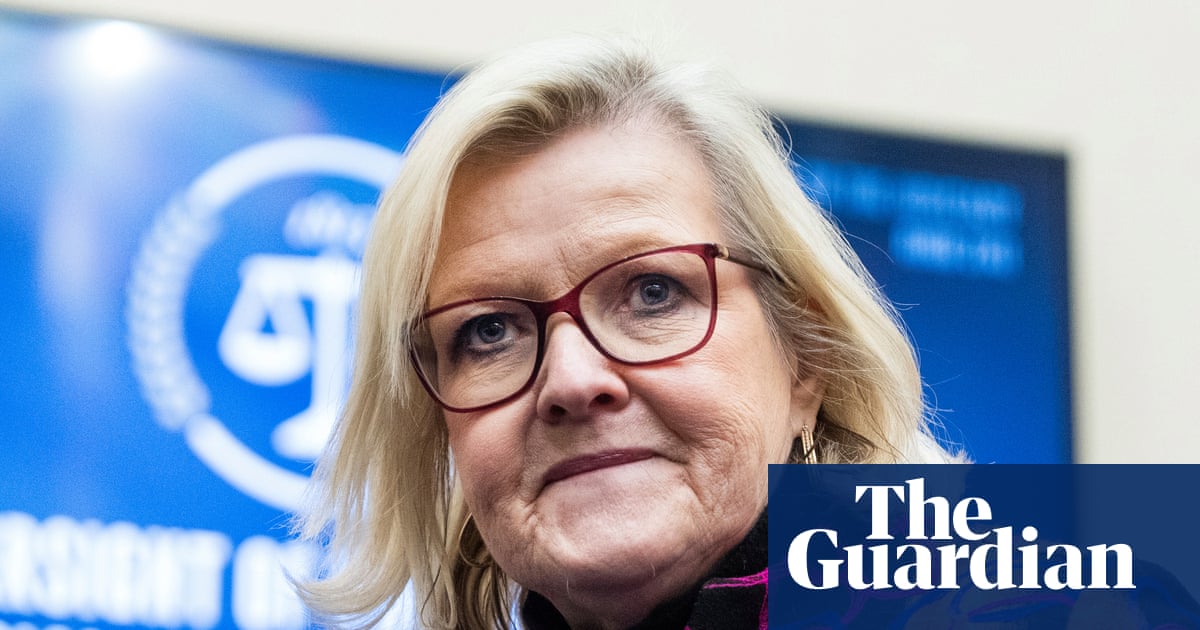
Cleta Mitchell, a former politician who tried to help Trump overturn the 2020 election results, capitalized on recent reports that voting machines in Georgia had a privacy vulnerability to assert the state was not doing enough to secure voters’ ballots.
asserted
state → try → ballots
“The problem in Georgia is that they use a version of these machines where … the machine doesn’t count the choices.
asserted
machine → use → choices
The machine actually counts a QR code,” Mitchell told the conservative strategist and longtime ally Steve Bannon in an interview on Friday.
asserted
Mitchell → count → Friday
Ed Martin, the controversial former US pardon attorney, repeated claims from top administration officials that voting machines, which used parts manufactured in China and other countries, were “compromised”.
uncertain
which → repeat → China
Other election deniers have planted seeds of doubt about the predicted outcome of the 2026 midterm elections.
asserted
deniers → plant → elections
Kevin Roberts, president of the Heritage Foundation, which established and published Project 2025, told Fox Business in September that predictions Democrats could flip the Senate were “a psyop” – a term popularized by online theorists to describe something they believe authorities are doing to influence people covertly.
“I think that this prognosticating is a psyop by so many of these polling firms.
uncertain
prognosticating → establish → firms
In order to do what? To depress conservative turnout,” Roberts said.
asserted
Roberts → depress → turnout
In conducting media hits about election integrity, some prominent election deniers also revealed that the Trump administration was continuing its effort to assert greater power over states, which are responsible for running elections.
asserted
which → conduct → elections
Martin told Eric Bolling of Real America’s Voice on Monday that Trump had met with Tina Peters, a politician convicted of crimes related to her efforts to interfere with 2020 election results.
“Just hours ago, maybe two hours ago, Tina Peters, you know, from Colorado, was in the Oval Office meeting with the president on election integrity, and they were talking about the plans,” Martin said.
asserted
Martin → tell → plans
“The president is taking it seriously.
asserted
president → take → it
If the Congress won’t pass the Save America Act, and they won’t, then the president’s going to have to do what he’s going to do,” Martin added.
asserted
Martin → pass → what
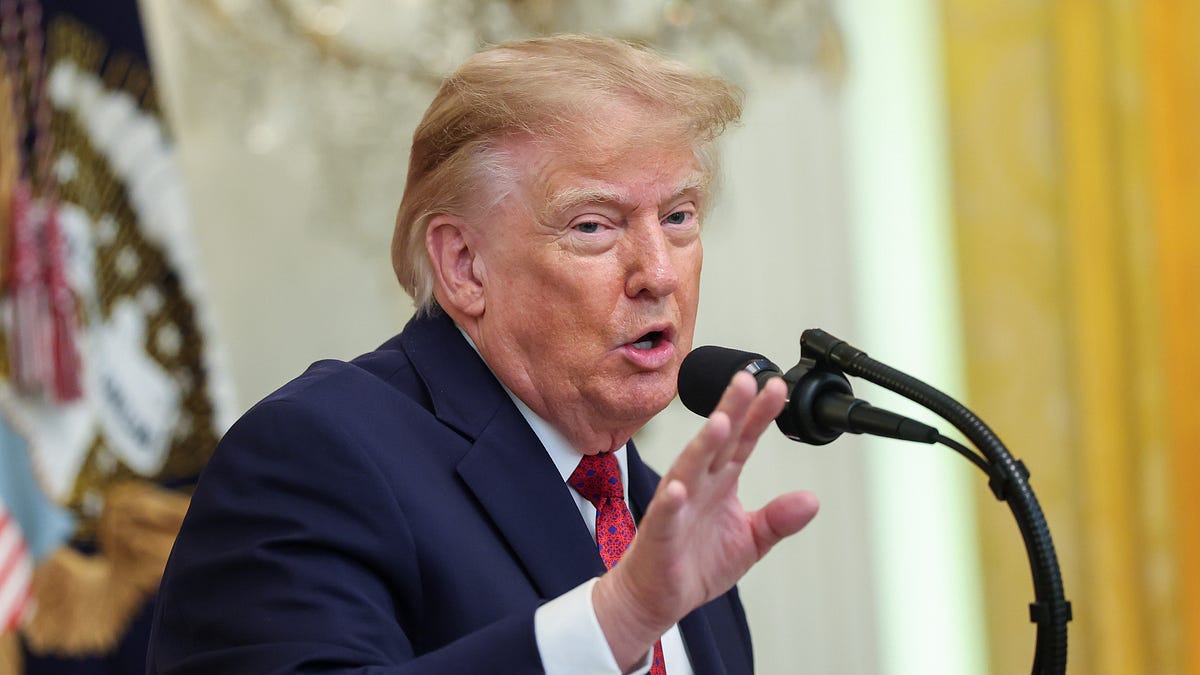
Trump has sought to undermine public confidence in US elections by promoting false claims of election fraud and making unverified claims of election insecurity.
uncertain
Trump → seek → insecurity
Earlier this year, the president tried to heighten those claims in a prime-time address.
uncertain
president → try → address
The president has attempted to crack down on voting, ostensibly to secure elections – despite experts assuring voters that elections are already secure.
asserted
elections → attempt → voters
That includes directing his administration to implement new rules to restrict mail-in ballot voting, a method of voting Trump has criticized despite using it himself, create a federal database of eligible citizens, and force voters to provide proof of citizenship when voting in federal elections.
asserted
Trump → include → elections
Most of those actions have been stalled by court challenges.
asserted
Most → stall → challenges
The supreme court has allowed the administration to move forward with compiling a federal database of eligible voters.
asserted
administration → allow → voters
Mitchell told Bannon she had “on good authority, from some of the highest levels in the Trump administration”, that the justice department was inquiring with the Georgia secretary of state about voter data it shares with two non-profit groups.
asserted
it → tell → groups
She accused the states, including Georgia, of being “hypocrites” for refusing to share voter data with the federal government.
asserted
She → accuse → government
 The Aporia