President Trump is attempting to lower drug costs through Medicaid by matching prices with other developed countries, aiming to reduce pharmaceutical prices despite critics arguing it could hinder future drug development. The article uses an analogy called the "iron lung fallacy," which critiques efforts prioritizing fair access to existing medical solutions over investment in developing new treatments. It argues that historical examples like the funding of Jonas Salk’s polio vaccine through private donations illustrate how focusing on current needs can stifle innovation and future advancements.
Written locally by qwen2.5:14b on 2026-10-06,
using this article's own text rather than the other coverage of the
same event (that is the story summary below).
Story summary
President Donald Trump announced plans to use Medicaid's buying power to lower drug prices in the United States, aiming to match costs with other developed nations. Critics argue that this move might hinder larger savings initiatives already underway. A National Bureau of Economic Research study suggests that reducing drug prices by 40% to 50% could result in between 30% and 60% fewer research and development projects for new drugs.
This policy decision is criticized as a case of the "iron lung fallacy," where prioritizing equitable distribution of current medical resources might compromise future advancements. During the polio epidemic, private charities like the March of Dimes raised funds to support the National Foundation for Infantile Paralysis, which in turn aided Pittsburgh scientist Jonas Salk's development of the polio vaccine, illustrating how government intervention aimed at immediate needs can sometimes stifle innovation.
Written for “Trump Drug Pricing Policy” on 2026-10-06,
grounded in this article and the 0 other(s) covering the same event.
Why this leaning score
The model judged this article politically coded and scored it -0.65, but every quote it verified points right, so the score is not published.
Written under an earlier scoring contract, which gave a paragraph
rather than checkable quotes. Re-analysing this article replaces it.
Leaning score withheld for article 60606: score contradicts its own evidence · logged 2026-10-06
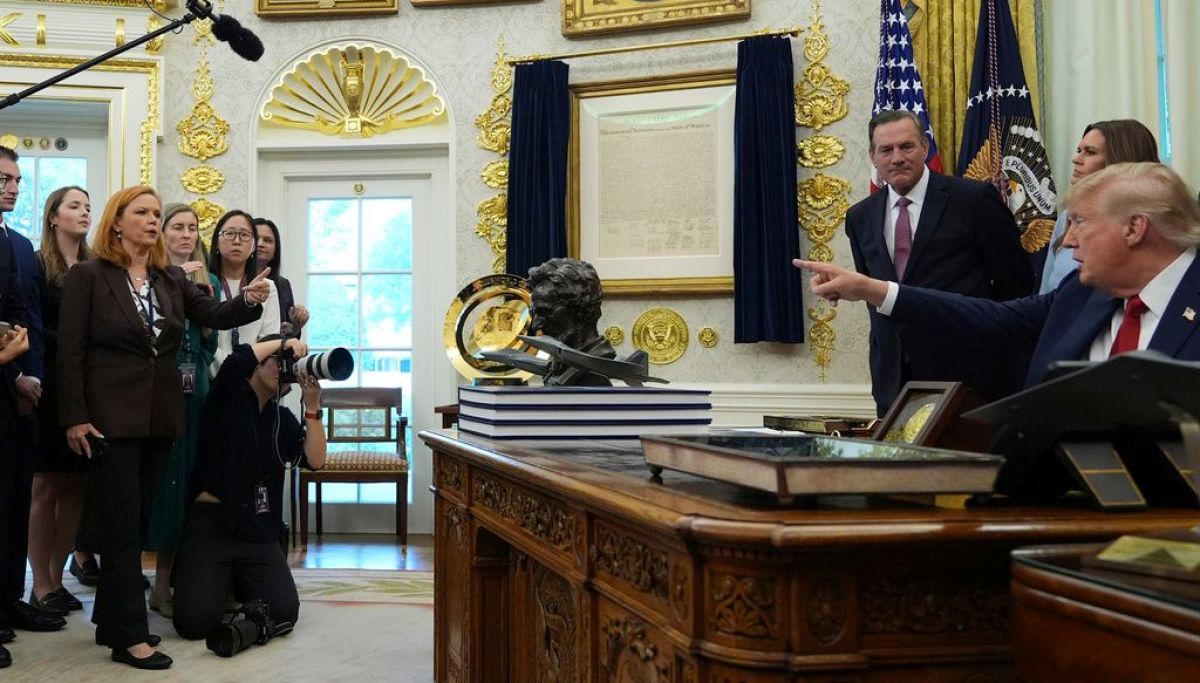
President Donald Trump is trying to best Sens. Bernie Sanders (I-VT) and Elizabeth Warren (D-MA) in demonizing pharmaceutical companies and using government power to lower drug prices.
asserted
Trump → try → prices
He announced last week that he will use the buying power of Medicaid to push prices down “to match the lowest prices paid by other developed nations.”
asserted
he → announce → nations
The possible savings have not mollified critics of the plan, who say it would preclude larger savings in the works elsewhere.
asserted
it → mollify → works
But there is no getting around the fact that any time the government puts its thumb on the drug price scale, it risks reducing pharmaceutical firm revenues and forestalling the development of new life-saving or pain-reducing drugs.
asserted
it → be → drugs
As a National Bureau of Economic Research study found, “cutting [drug] prices by 40 to 50 percent in the United States will lead to between 30 and 60 percent fewer R and D projects being undertaken in the early stage of developing a new drug.”
asserted
projects → find → drug
At the height of the polio epidemic, those who had suffered the worst effects of the paralyzing virus not only could not move their legs but could not effectively breathe on their own.
uncertain
who → suffer → own
The ameliorative intervention was a machine known as the iron lung.
asserted
intervention → know → lung
Hospital wards in the 1940s and early 1950s were filled with both children and adults, fully enclosed except for their heads in the devices that used air pressure to force paralyzed lungs to rise and fall, as one does when breathing.
asserted
one → fill → lungs
They did not come cheap: An adult “negative pressure ventilator” cost $2,000 (or $39,000 in current dollars).
asserted
ventilator → come → dollars
One can imagine those committed to “fairness” pushing to ensure that no polio victim would be denied iron lung access — and advocating spending to ensure that.
asserted
victim → imagine → that
That, however, was not the goal of the March of Dimes, the private charity that instead raised millions to support the National Foundation for Infantile Paralysis, which, in turn, supported Pittsburgh scientist Jonas Salk in what proved to be his successful effort to create a polio vaccine.
asserted
what → raise → vaccine
Small donors making small donations in hundreds of local communities were willing to invest, like modern-day drug companies, in a product that did not yet exist and might never.
uncertain
that → make → product
Trump’s finest hour has been a similar and atypical investment by the government in the COVID-19 vaccine, paying Moderna and Pfizer for a product they were still developing.
asserted
they → pay → product
The history of medicine offers other examples of iron lung-type policy errors avoided.
asserted
history → offer → errors
Instead of a TB vaccine, fairness advocates might have pushed for universal access to the “cure” offered by sanitoria.
uncertain
advocates → push → sanitoria
But the collateral damage of government fairness diktats can go beyond medicine.
asserted
damage → go → medicine
Had the government set oil and gas prices artificially low or dictated drilling methods, the United States would not have benefited from the new technology known as fracking, which lowered prices by billions by increasing supply.
asserted
which → set → supply
This is what economists call a fundamental shift in the supply curve, created by innovation.
asserted
economists → call → innovation
Socialism’s alleged benefits are predicated on the “fairness” of sharing existing goods and services, while suppressing the profits that lead to innovation.
asserted
that → allege → innovation
That’s what ultimately led to the collapse of the Soviet Union, which could not innovate new defense technologies (Reagan’s “Star Wars” defense intimidated the Russians) nor new consumer products.
uncertain
defense → ’ → Russians
That’s why Nikita Khrushchev was floored by the prosperity he encountered on a visit to Iowa, as were European World Cup visitors to Kansas City this year.
asserted
visitors → ’ → City
We should all be grateful not to live in that world and avoid its temptation.
asserted
We → live → temptation
 The Aporia