That is 0 articles you have read today.
The Aporia is free and carries no advertising, so readers are the only
thing paying for it. If you are getting this much out of it, a small
donation is what keeps it independent.
Daily limit reached
You have read 0 articles today.
That is more than the 15 a day The Aporia gives away,
and well past what it can carry on nothing. Your allowance resets at
midnight.
There is no advertising here and nothing about you is sold, so readers
are the only thing paying for it. If the site is worth this much of
your day, it is worth a few dollars.
Everything else stays open: the
maps, the
directory and
search do
not count against this, and neither does re-opening something you have
already read today.
The article discusses the Conservative government's plan to allocate £10 billion over ten years for enhancing the UK’s air defence systems, in response to threats from ballistic and cruise missiles and drones highlighted by conflicts like those between America-Israel and Iran and Russia-Ukraine. While both major political parties agree on the necessity of improved air defences, the Conservatives face criticism over their initial comparison of the proposed system to Israel's Iron Dome due to differences in scale and threat level. The UK currently lacks a defence system capable of addressing long-range threats, with each interceptor for existing systems costing around £3 million.
Written locally by qwen2.5:14b on 2026-10-06,
using this article's own text rather than the other coverage of the
same event (that is the story summary below).
Story summary
In response to growing concerns over air defense, Badenoch, a Conservative minister, proposed allocating up to £10 billion over ten years for the UK's air defenses. This plan follows warnings from the government’s Strategic Defence Review in 2025 about threats like ballistic and cruise missiles and drones. Both major parties acknowledge the need for layered air defense systems, though the Labour government has only committed up to £1 billion. The proposal comes after Iran successfully penetrated US military bases' defenses in the Middle East and Russia's invasion of Ukraine highlighted vulnerabilities in defending airspace from large-scale attacks. Each interceptor used by the US Patriot missile system costs around $4 million (£3 million), indicating the substantial financial commitment required for robust air defense systems.
Written for “UK Air Defence Plan” on 2026-10-06,
grounded in this article and the 0 other(s) covering the same event.
Why this leaning score
The article's own words the score was based on. Each is quoted
verbatim and was checked against the article text before being
stored, so you can find it in the original.
Leaning: leans right for article 60332 (high confidence, 2 verified quotes) · logged 2026-10-06
Claims extracted
21
claim-shaped sentences
Uncertain
10%
2 of 21 hedged
Leaning
Leans right
of the writing, not the subject · beta estimate
Correction & hedging signals
72.1
corrections and hedging in what we collected;
not a measure of accuracy
Outlets on this story
1
Politics
Narrative spread
1
articles carrying this framing
- Published
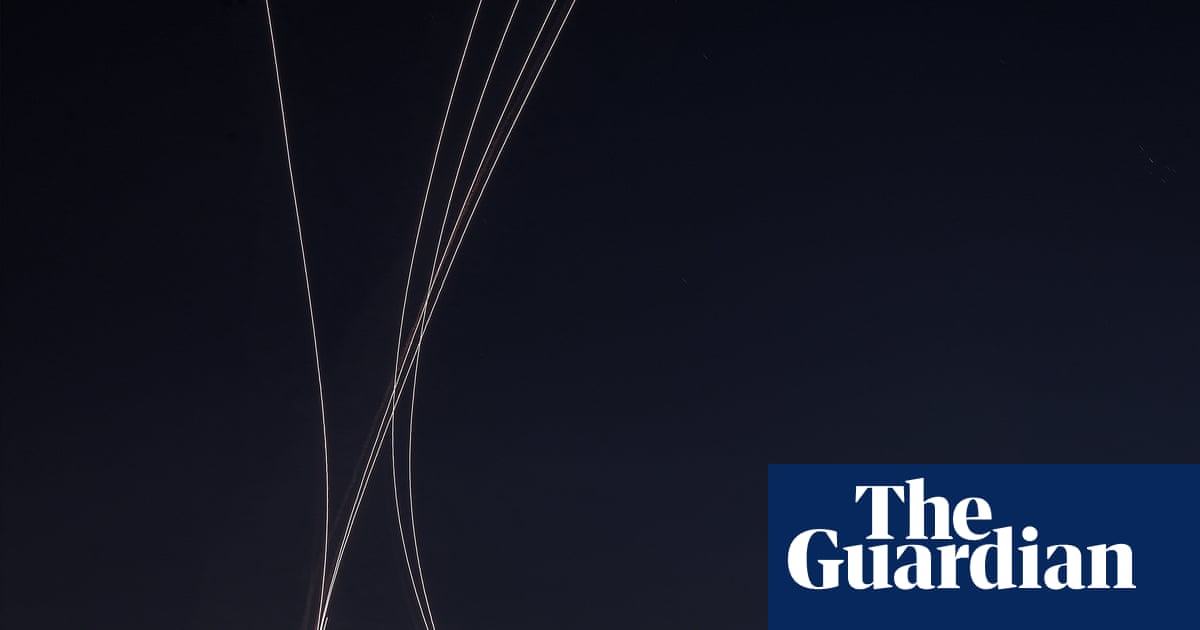
America and Israel's war with Iran has shown that even the world's most sophisticated air defences can be overwhelmed by enemy missiles and drones, if fired in significant numbers.
asserted
defences → publish → numbers
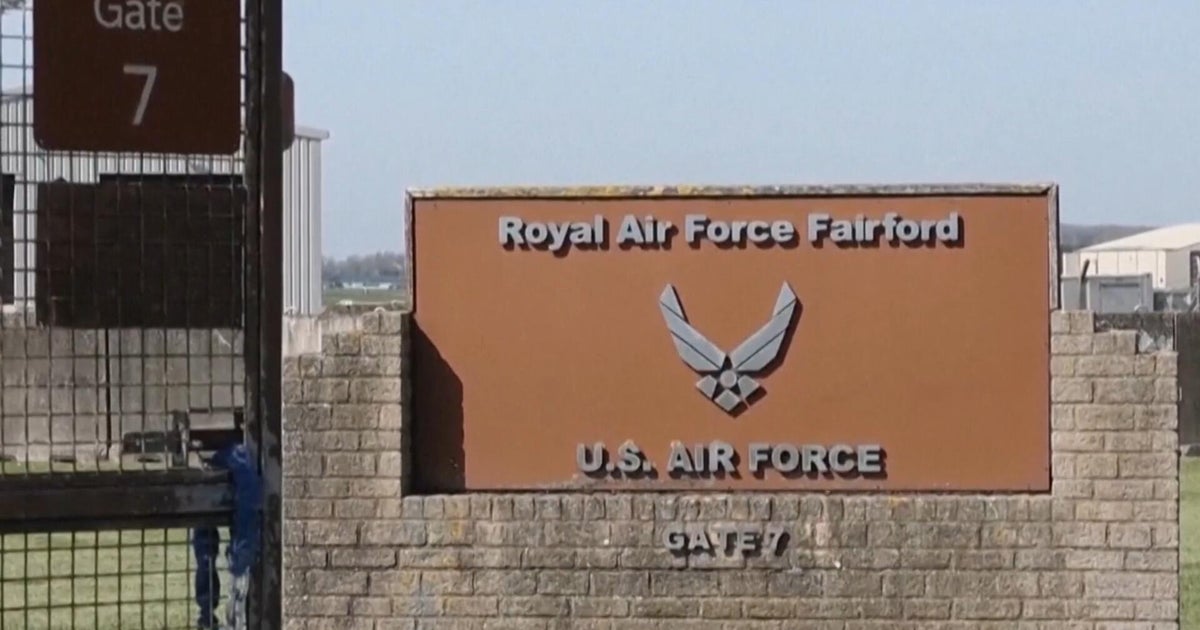
Iran's have broken through the layered air defences of US military bases in the Middle-East causing significant damage.
Russia's war in Ukraine has also exposed the huge challenge of defending their own skies from large-scale attacks.
asserted
war → break → attacks
The government's Strategic Defence Review, published in 2025, explicitly warned of the threats to the UK – including ballistic and cruise missiles and drones – and highlighted the need for the UK to invest more in its air defences.
asserted
UK → publish → defences
The Labour government is allocating up to £1bn to address it.
asserted
government → allocate → it
The Conservatives now say they will spend more - £10 bn - over a decade.
asserted
they → say → decade
Both parties agree that the UK needs layers of air defences.
asserted
UK → agree → defences
Currently the country has a number of systems to deal with short and medium-range threats – from drones to cruise missiles.
asserted
country → have → missiles
But the armed forces still lack a weapons system to deal with long-range ballistic and hypersonic missiles.
asserted
forces → lack → missiles
And those don't come cheap.
asserted
those → come → ?
Each interceptor used by the US Patriot missile system costs about $4m (£3m).
asserted
interceptor → use → m
Sophisticated air defences that can deal with a range of threats are expensive.
asserted
that → deal → threats
The US Army alone wants to increase its budget for both missiles and interceptors by fourfold next year – to $36bn (£27.1bn).
asserted
Army → want → 36bn
Israel also spends a significant proportion of its $45bn (£33.9bn) annual military budget on air defences.
asserted
Israel → spend → defences
Their original press release mentioned building a new air defence systems that would be "in essence, a British Iron Dome", referencing Israel's elaborate air defence system.
asserted
that → mention → system
But any comparison of the challenge of defending Britain's skies with Israel's, about 10% the size of the UK, is naive.
asserted
comparison → defend → UK
Israel has regularly been targeted by drones and missiles over the past decade.
asserted
Israel → target → decade
The UK has not.
asserted
UK → have → ?
The Conservatives now suggest the phrase "Iron Dome" was just a shorthand for better air defences.
asserted
phrase → suggest → defences
It would be nigh on impossible for the UK to develop an air-defence system that could defend the whole country with such limited resources.
uncertain
that → develop → resources
At best it could afford a system to protect some key strategic sites – including military bases.
uncertain
it → afford → bases
At present the UK doesn't even have that.
asserted
UK → have → that
 The Aporia