That is 0 articles you have read today.
The Aporia is free and carries no advertising, so readers are the only
thing paying for it. If you are getting this much out of it, a small
donation is what keeps it independent.
Daily limit reached
You have read 0 articles today.
That is more than the 15 a day The Aporia gives away,
and well past what it can carry on nothing. Your allowance resets at
midnight.
There is no advertising here and nothing about you is sold, so readers
are the only thing paying for it. If the site is worth this much of
your day, it is worth a few dollars.
Everything else stays open: the
maps, the
directory and
search do
not count against this, and neither does re-opening something you have
already read today.
Kenya reported its first Ebola case with the death of a Kenyan national who had been living in the Democratic Republic of Congo for seven years and traveled to Nairobi after falling ill. Health officials identified 28 contacts including family members, healthcare workers, and passengers on his flight. Kenya has screened over 652,000 travelers since heightening its alert and tested 267 samples at various laboratories. The ongoing outbreak, declared May 15, has resulted in 8,463 confirmed cases and 4,082 deaths across multiple countries, including Uganda and France.
Written locally by qwen2.5:14b on 2026-10-06,
using this article's own text rather than the other coverage of the
same event (that is the story summary below).
Story summary
On October 3, Kenya confirmed its first Ebola case linked to the ongoing outbreak in Congo, marking a significant milestone in the fastest-spreading Ebola epidemic in history. The patient, a 40-year-old Kenyan who had been living and working in Congo for seven years, arrived in Nairobi via Uganda and died while receiving treatment at a hospital there on October 5. Health officials identified 28 contacts, including family members and healthcare workers, as well as 23 fellow passengers from the flight. These individuals are now under mandatory quarantine for 21 days, with testing to ensure they are free of the virus before release. The Kenyan government has heightened its alert level, screening over 652,000 travelers and conducting extensive training for health workers since early warnings were issued. Kenya becomes the fourth country to report an Ebola case connected to Congo's outbreak, which began in May but may have started as early as February according to genetic sequencing data.
Written for “Ebola In Kenya” on 2026-10-06,
grounded in this article and the 4 other(s) covering the same event.
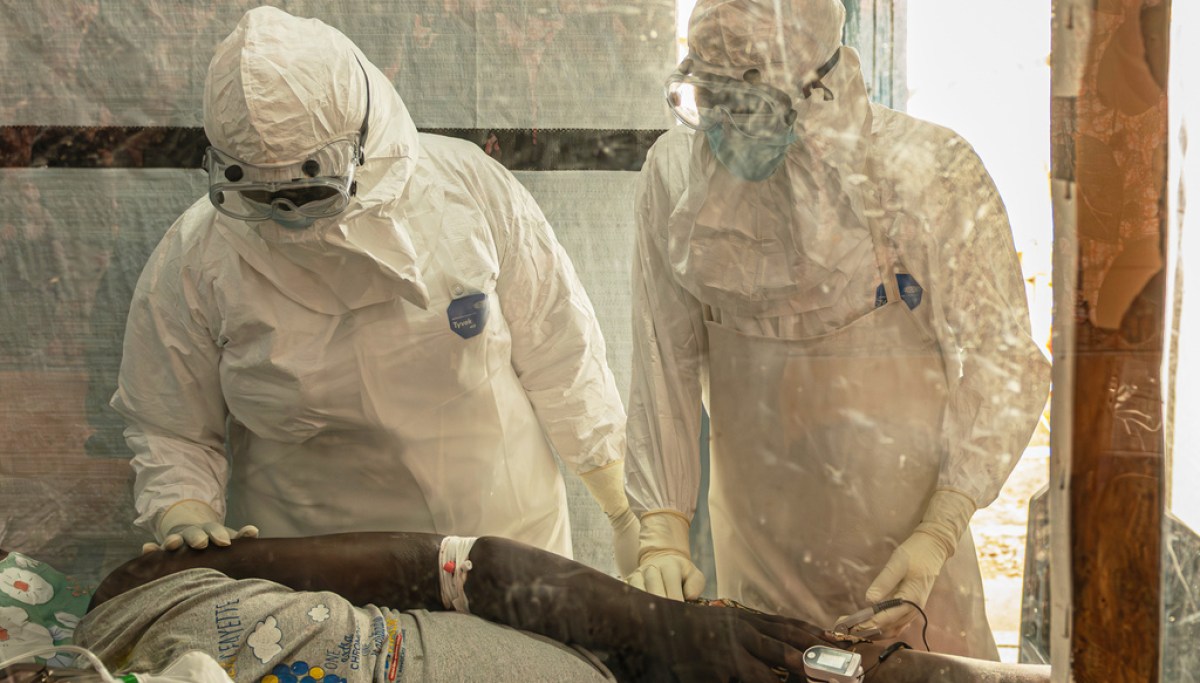
Kenya has reported its first case of Ebola, as an outbreak that began in Central Africa has killed thousands and spread across multiple countries.
asserted
that → report → countries
The patient, who died Tuesday, was a Kenyan national who had lived in the Democratic Republic of Congo for seven years, according to Kenyan health officials.
uncertain
who → die → officials
The man traveled to Kenya’s capital, Nairobi, after falling ill and was transferred to a health facility, where he was isolated.
asserted
he → travel → facility
Tests confirmed he had Bundibugyo Ebola virus.
asserted
he → confirm → virus
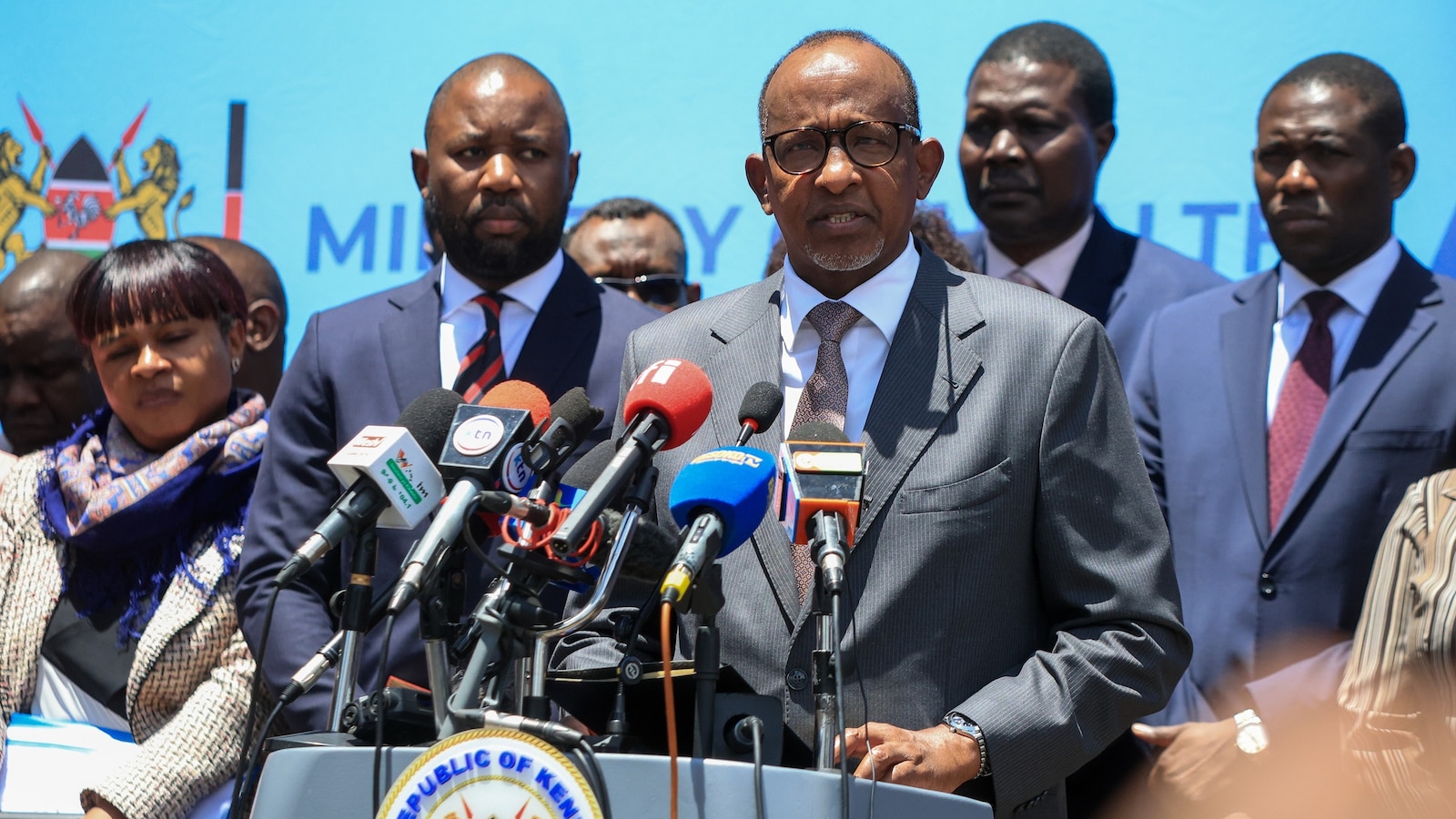
Kenyan Health Minister Aden Duale said contact tracing is underway.
asserted
tracing → say → ?
Officials have identified 28 contacts, including family members and healthcare workers, as well as 23 passengers and crew members who traveled on the same flight as the patient.
asserted
who → identify → patient
“Those at risk are being monitored, with quarantine measures applied where necessary.
asserted
measures → monitor → risk
Our preparedness and surveillance systems remain active,” Duale said.
asserted
Duale → remain → ?
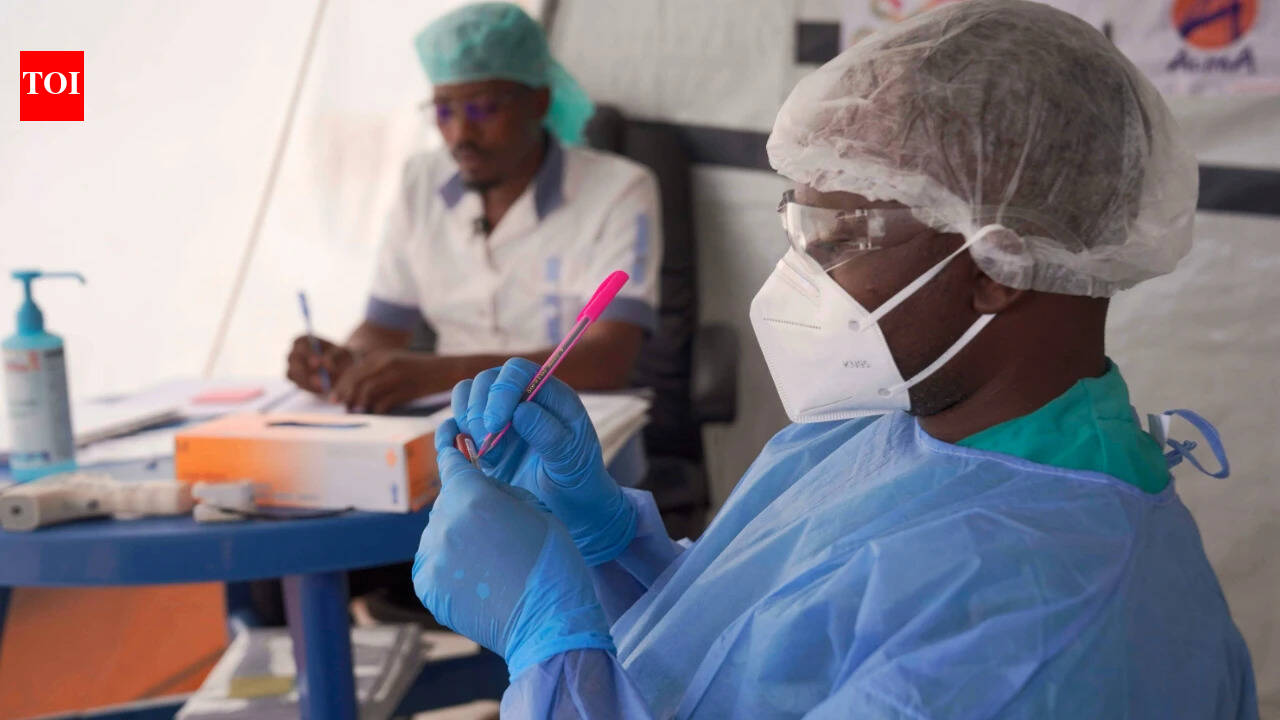
Since Kenya heightened its alert, more than 652,000 travelers have been screened, and 267 samples have been tested at laboratories in Nairobi and Kisumu, as well as mobile facilities at the Busia and Lwakhakha border crossings.
asserted
samples → heighten → crossings
Nearly 5,000 health workers have also been trained in Ebola prevention and case management.
asserted
workers → train → prevention
The outbreak, which was declared May 15, may have begun months earlier, potentially in February, based on genetic sequencing.
uncertain
which → declare → sequencing
Uganda has reported 20 confirmed cases and two confirmed deaths, while France has reported one confirmed case and one death.
asserted
France → report → case
Kenya has now reported one death associated with the outbreak.
asserted
Kenya → report → outbreak
The U.S. Centers for Disease Control and Prevention recommends avoiding all travel to Ituri and North Kivu provinces in Congo and avoiding nonessential travel to Haut-Uele and Tshopo provinces.
asserted
Centers → recommend → provinces
Travelers to other parts of Congo and Uganda are advised to take enhanced precautions and monitor for Ebola symptoms for 21 days after leaving the affected areas.
asserted
Travelers → advise → areas
The outbreak has been complicated by limited healthcare infrastructure, ongoing conflict, population movement, and cross-border travel, as well as violence against healthcare workers and misinformation, according to the CDC.
uncertain
outbreak → complicate → CDC
Treatment is further complicated as there is no vaccine to treat the rare Bundibugyo variation of Ebola.
asserted
Treatment → complicate → Ebola
The United States has also temporarily restricted entry for travelers who have been in Congo within 21 days of their flight to the country.
asserted
who → restrict → country
 The Aporia