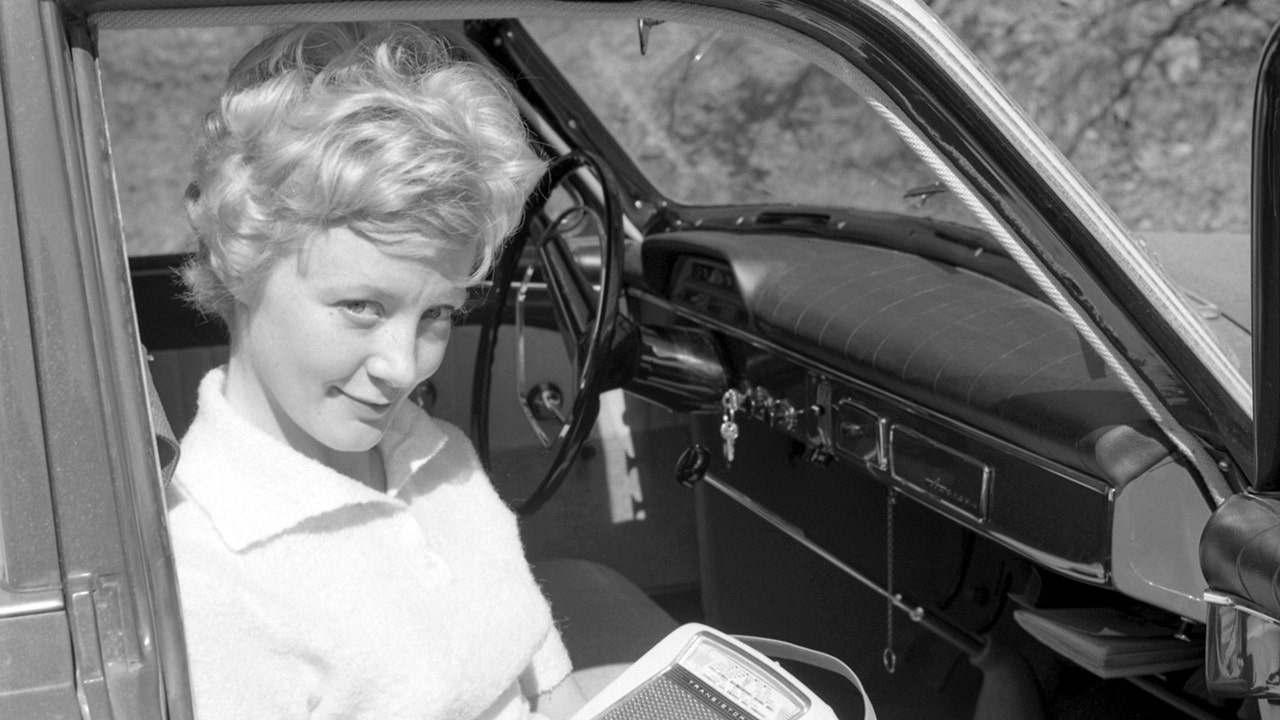
In 2026, the WFMD radio station in Frederick, Maryland, is celebrating its 90th year on the AM airwaves, and thanks to a bipartisan bill set for a vote in Congress this week, every new car sold in America will have an AM antenna to pick up its signal.
asserted
car → celebrate → signal
The AM Radio For Every Vehicle Act already has more than 300 co-sponsors in the House, 60 in the Senate, and has been pitched mainly as a measure to ensure that emergency messages — the ones that start with the shrill whistle — can be sent out to cars through the AM stations.
asserted
that → have → stations
The commonsense measure is a good plan B to have in place in cases of cyberattacks or cyber outages, because sometimes the old ways can be the best ways.
asserted
ways → have → cyberattacks
That is a laudable goal, and by itself enough to warrant the legislation.
asserted
That → warrant → legislation
But in fact, this measure can do more than protect lives, it can protect civil American discourse.
asserted
it → do → discourse
AM radio is one of the last vestiges of it we have left in this digital age.
asserted
we → leave → age
All across the country, there are little stations like WFMD, with a predictable schedule that starts with a light-hearted but local-news-heavy morning show, then late-morning to mid-afternoon nationally syndicated news shows, followed by an afternoon drive-time call-in show that covers local, state and federal politics.
asserted
that → be → politics
In Frederick, the local afternoon show, "Mid-Maryland Live," belongs to Tim May and Frank Mitchell: the former, a cantankerous conservative wordsmith with a Maryland twang, and the latter, the patient and pleasant liberal New York City transplant with the dulcet radio voice.
uncertain
show → belong → voice
The discourse that Tim and Frank engage in for three hours a day, along with the callers — many of whom are longtime regulars — is arguably the most balanced view of what is happening in the world that one could ask for, and almost always free from yelling and vitriol.
uncertain
one → engage → yelling
Local AM radio is also the most reliable way to know what matters to people in communities outside major cities.
asserted
what → know → cities
For example, while data centers are a relatively new issue in the macro news ecosystem, I have been hearing about it for well over a year on local AM stations all over the country.
asserted
I → hear → country
It was almost never inchoate rage or unvarnished praise over data centers, but rather a very nuanced conversation from listeners who understand the laws and regulations of their communities with almost encyclopedic knowledge.
asserted
who → understand → knowledge
We live at a time when, perhaps rightfully, we bemoan the demise of so many local small town newspapers along with the coverage and accountability they used to provide.
asserted
they → live → coverage
But in many ways, that slack has been picked up by AM radio, where appearances by local officials are extremely common.
asserted
appearances → pick → officials
These same stations are usually also the repository for high school sports, giving kids the chance to feel that their effort matters when their exploits are broadcast live to the community.
asserted
exploits → give → community
Some small government types might object to the government handing local AM radio stations this boon of enforcing access to their product, but it is a much more sensible way to help the radio industry than the National Public Radio model of direct funding.
uncertain
it → object → funding
We have all seen that, for a myriad of reasons, publicly funded radio — absent the constraints of the free market — always winds up extremely far left.
asserted
radio → see → market
But local AM radio keeps the lights on by selling ads, usually to local businesses, and has a financial incentive to create a broad, cross-aisle appeal.
asserted
radio → keep → appeal
For those who think radio is a dying form, think again.
asserted
radio → think → those
Estimates suggest that 80-90% of Americans listen to AM or FM radio weekly, with more than 80% of car owners flipping it on when they fire up the engine.
asserted
they → suggest → engine
No, AM radio is not heading to the dustbin of history.
asserted
radio → head → history
Just as our parents and grandparents did, we tune in to get the weather or the traffic, or just to find out what is going on.
asserted
what → do → weather
Not in New York, not in D.C., but where we live.
The fact that our Congress, which would struggle to pass "Go" in Monopoly, is set to pass the AM Radio For Every Vehicle Act is a testament to the enduring power of our local radio stations, and a good sign that listeners in Frederick will have Tim and Frank to listen to for a long, long time.
asserted
listeners → live → time
 The Aporia