Washington Examiner
· collected 2026-10-06 · by Ege Fakkusoglu and Walter E. Block
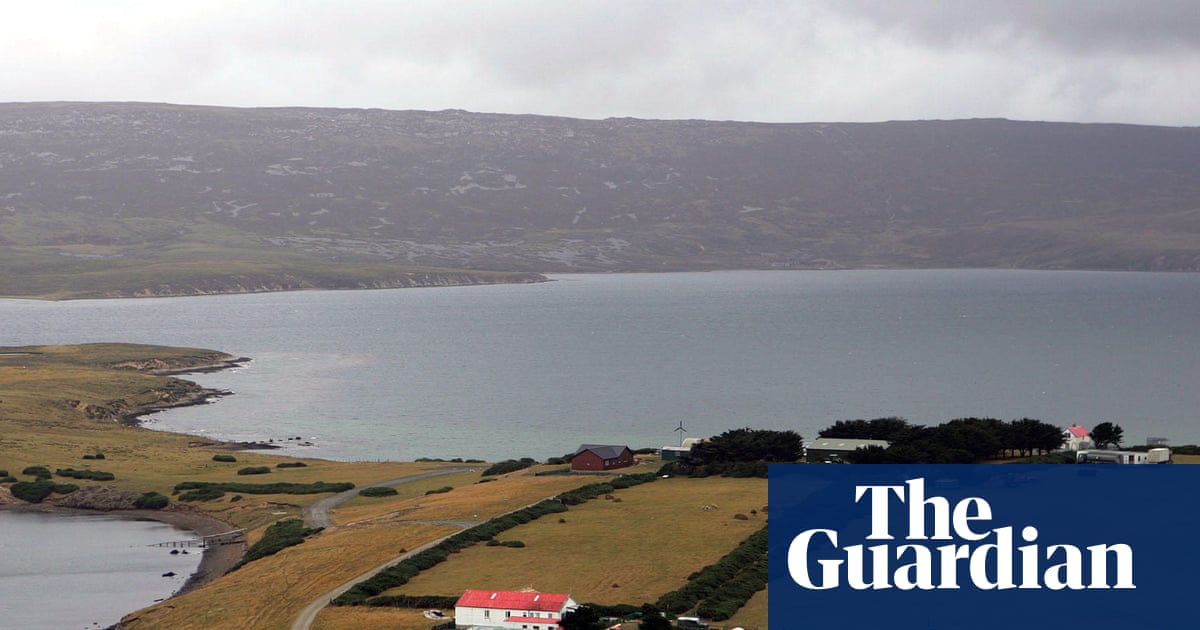
Argentine President Javier Milei is hardening Argentina’s sovereignty claim over the Malvinas/Falkland Islands while paving the way for severe sanctions against British companies.
uncertain
Milei → harden → companies
He has also initiated a sanctions process against 45 companies and legal entities, including 16 British and 13 Israeli companies.
asserted
He → initiate → British
How are we to determine who is in the right in the present controversy between Argentina and Great Britain concerning the Malvinas/Falklands Islands?
asserted
who → determine → Islands
It was won by the former, and some people maintain “to the victor belong the spoils,” or “might makes right.”
uncertain
spoils → win → right
This is nonsensical and must be rejected out of hand, at least if we seek justice on the matter.
asserted
we → reject → matter
In any case, it is very unclear which country would win a war between the two if it were to occur at present.
uncertain
it → win → two
Argentina, under Milei, has strengthened its economy (which plays a great role in military power), while Great Britain has suffered economically and is thus far less able to win a war.
asserted
Britain → strengthen → war
It is based upon homesteading.
asserted
It → base → homesteading
Whoever first “mixed his labor” with the land is the rightful owner of it.
asserted
mixed → mix → it
According to natural law, governments attain sovereignty on the basis of the wishes of the individual people who are citizens and occupants of the territory.
uncertain
who → accord → territory
The legal nod goes to whoever occupies the contested terrain and whichever government they favor.
asserted
they → go → government
The burden of proof lies not with those who are ensconced in the area.
asserted
who → lie → area
It is an obligation of those who would remove them to establish prior ownership.
asserted
who → remove → ownership
The United Kingdom seemed to have justice on its side from this perspective.
asserted
Kingdom → seem → perspective
In 1982, there were 1800 occupants of the disputed island, and virtually all of them, 99%, were Englishmen, who desired to be ruled by that country.
asserted
who → be → country
However, if we dig a little bit deeper — okay, okay, a lot more deeply — and examine the history thoroughly, we reach the very opposite conclusion: The Argentine gauchos had been there long before the British settlers arrived, and many of them were forcibly removed by Britain in 1833.
asserted
many → dig → 1833
Spain purchased this settlement in 1766; Britain withdrew in 1774 and recognized Spain’s claim at Nootka Sound in 1790.
uncertain
Britain → purchase → 1790
Between 1820 and 1829, Argentina resettled the islands through Vernet.
asserted
Argentina → resettle → Vernet
The United States’ Lexington raid in 1831, followed by the British landing in 1833, drove out the Argentines.
asserted
raid → follow → Argentines
This is the opposite of homesteading: the forcible dispossession of a possessor who had mixed his labor with the land.
asserted
who → mix → land
This Goebel-Rothbard line of reasoning strengthens Argentina’s claim here while reducing Britain’s to “naked aggression.”
uncertain
line → strengthen → aggression
In 1846, the British government’s sale of land to Lafone, and later to the Falkland Islands Company, was not homesteading either
asserted
sale → homestead → Company
A state cannot legitimately sell what it did not own in the first place.
asserted
it → sell → place
Britain’s defense after 1833 is this: the expulsion is ancient history; there are now British-descended settlers living on the islands; they have mixed their labor with the land; therefore, the land belongs to them.
asserted
land → be → them
But this turns homesteading on its head.
asserted
this → turn → head
According to this John Lockean theory, it is the first homesteaders who are the proper owners, not those who forcibly evicted them — the latter are squatters, trespassers.
uncertain
latter → accord → them
There was the Vernet colony, composed of Argentines; they built houses, hunted seals, and had an organized fishing system.
asserted
they → be → system
Britain forcibly removed them.
asserted
Britain → remove → them
A seized parcel does not become res nullius again.
asserted
parcel → seize → ?
The fact that a thief, or settlers invited by the thief, later puts up fences, raises sheep, and builds houses does not erase the original owner’s title.
asserted
thief → invite → title
Otherwise, every successful expulsion would create its own “justice.”
asserted
expulsion → create → justice
The Lafone sale in 1846 and the Falkland Islands Company do not cleanse this chain of events either.
asserted
sale → cleanse → events
A state cannot justly create private property by selling land improperly acquired through dispossession.
asserted
state → create → dispossession
A feudal grant does not ethically constitute homesteading.
asserted
grant → constitute → homesteading
The company’s 43% stake, its wool monopoly, and the illicit landlords were all privileges built upon the events of 1833, not unowned land opened through labor.
asserted
stake → build → labor
The Kelpers’ (Britons, living on the Malvinas) choice of London in 2013 is a separate matter.
asserted
Britons → live → 2013
Consent indicates which state the people living on seized land want to belong to.
asserted
people → indicate → land
The vote of those invited by the dispossessor does not extinguish the rights of the dispossessed who were expelled in 1833.
asserted
who → invite → 1833
Otherwise, “self-determination” becomes a machine for legitimizing every land theft.
asserted
determination → become → theft
The will of the trespassing Kelpers did not justify sending a navy 8,000 miles away.
asserted
will → trespass → navy
…and 6 more, not listed.
 The Aporia