The Treasury Department under Trump blocked $175 million in federal payments intended for deceased recipients in fiscal year 2026, up from $99 million identified earlier that year. This increase is due to enhanced screening measures aimed at preventing fraud and improper payments. Republican Senator John Kennedy praised the effort, highlighting his role in passing a law that made permanent the sharing of Social Security death records with Treasury, helping to identify and prevent these fraudulent claims.
Written locally by qwen2.5:14b on 2026-10-06,
using this article's own text rather than the other coverage of the
same event (that is the story summary below).
Story summary
The Treasury Department blocked $175 million in federal payments intended for deceased individuals in fiscal year 2026, up from $99 million identified earlier. This increase is attributed to enhanced screening measures implemented during the Trump administration to prevent improper payments. Republican Senator John Kennedy of Louisiana praised Secretary Scott Bessent's efforts, noting that preventing taxpayer money from being sent to dead people aligns with his push for greater access to Social Security death records. In December 2023, a three-year data-sharing program between the Social Security Administration and Treasury began, which was later made permanent by President Trump through Kennedy’s Ending Improper Payments to Deceased People Act signed in February 2026. This legislation aims to significantly reduce federal fraud and protect taxpayer dollars.
Written for “Treasury Cracks Down On Fraud” on 2026-10-06,
grounded in this article and the 0 other(s) covering the same event.
Why this leaning score
The model judged this article politically coded and scored it +0.35, but all 3 of its quote(s) are attributed speech - words the article quotes from someone, not the article's own narration, so the score is not published.
Written under an earlier scoring contract, which gave a paragraph
rather than checkable quotes. Re-analysing this article replaces it.
Leaning score withheld for article 60088: attributed speech only · logged 2026-10-06
The Treasury Department blocked $175 million in federal payments tied to deceased recipients in fiscal year 2026, up sharply from the $99 million identified just months earlier as the Trump administration expanded government-wide screening for improper payments.
asserted
administration → block → payments
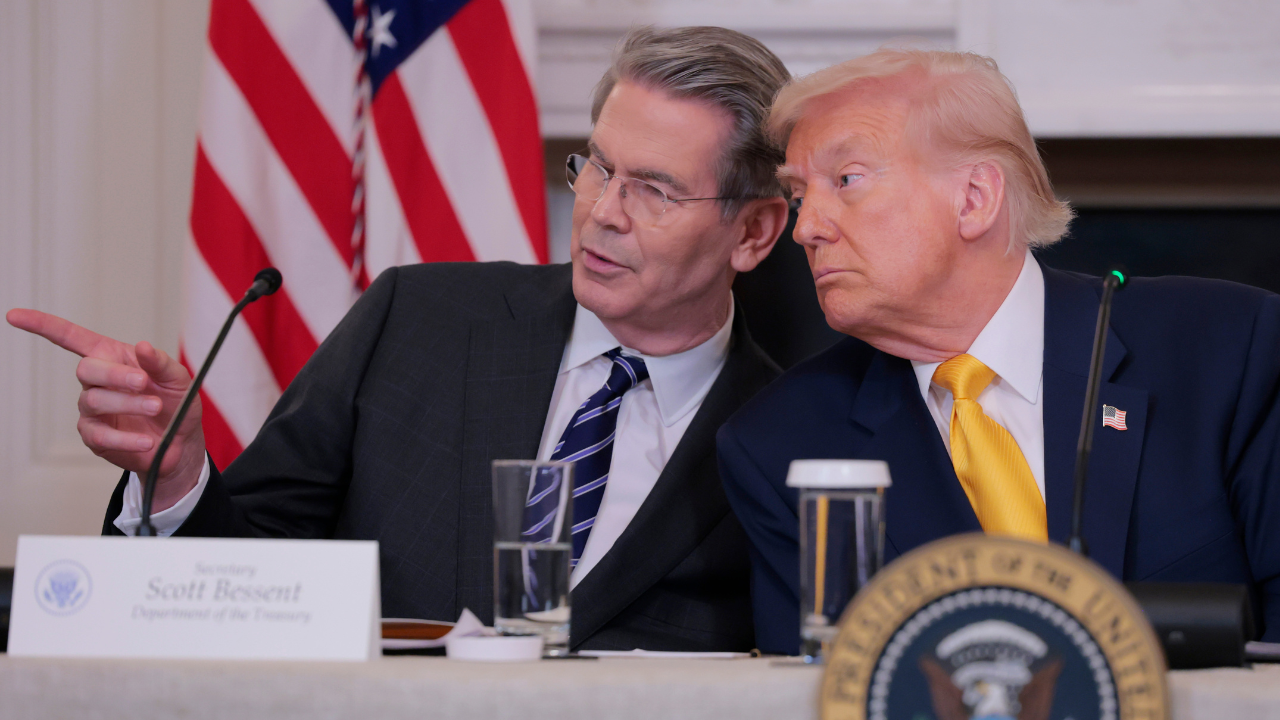
"I applaud Secretary [Scott] Bessent for slamming the door on these fraudsters before they can pick taxpayers’ pockets," Republican Louisiana Sen. John Kennedy told Fox News Digital.
asserted
Kennedy → applaud → Digital
"Unless you were playing Frisbee in the quad during Econ 101, you know the federal government shouldn’t be sending taxpayer money to dead people," Kennedy went on.
asserted
Kennedy → play → people
"I fought for years to pass my common-sense bill to stop fraudsters from gaming the system, and now it’s the law.
asserted
it → fight → system
Kennedy has for years pushed to give Treasury greater access to Social Security death records, helping pass a 2020 law that temporarily authorized the Social Security Administration to share its full Death Master File with department.
asserted
that → push → department
That three-year data-sharing program began in December 2023, Trump then signed Kennedy’s Ending Improper Payments to Deceased People Act into law in February 2026, making the access permanent.
asserted
access → share → February
Trump has tasked his administration with rooting out fraud, waste and abuse across the federal government and tightening safeguards around taxpayer dollars — the latest effort to stop federal benefit payments to dead people is just another initiative within that broader effort.
asserted
effort → task → effort
Treasury screened more than 1.1 billion federal payments totaling roughly $3.7 trillion in FY2026, identifying and returning about 13,500 payments worth $175 million that otherwise would have been distributed to individuals no longer eligible for payments due to death.
asserted
that → screen → death
"Treasury continues to transform how the federal government protects taxpayer dollars by using better data, stronger controls, and advanced technology to stop fraud and improper payments before money goes out the door," Treasury Secretary Scott Bessent said in a press release shared with Fox News Digital.
asserted
Bessent → continue → Digital
"In the past year alone, Treasury built and deployed new safeguards that verified more than $3.7 trillion in federal payments and increased Do Not Pay access from 4 percent of programs to 99 percent, ensuring agencies have access to the data they need," Bessent added.
asserted
Bessent → build → data
"We are moving beyond ‘pay and chase’ and making prevention the federal government’s first line of defense.
asserted
prevention → move → defense
More than 99% of federal programs now have access to the "Do Not Pay" tool, up from roughly 4% at the end of FY2025.
asserted
% → have → FY2025
The expansion fulfills key requirements of a March 2025 executive order from Trump directing his administration to strengthen safeguards against fraud, waste and abuse involving federal payments.
asserted
expansion → fulfill → payments
Treasury also screened more than 2.3 billion records against Do Not Pay data sources in FY2026, nearly four times the 641 million records screened the previous fiscal year.
asserted
Treasury → screen → records
The jump comes as the program has expanded across the federal government, alongside new payment verification efforts and additional screenings for states.
asserted
program → come → states
Treasury also tested new safeguards aimed at verifying that bank accounts belong to the intended recipients and checking Taxpayer Identification Numbers tied to federal payments.
asserted
accounts → test → payments
The checks became fully operational Sept. 30, and allow Treasury to flag and return payments that fail verification before the money is sent.
asserted
money → become → verification
The latest figures build on Treasury’s July announcement that it had screened more than 885 million payments worth roughly $2.77 trillion and flagged more than 4,900 payments worth about $99 million tied to deceased recipients.
asserted
it → build → recipients
 The Aporia