I’m a flat tax guy like Steve Forbes, Chairman & Editor-In-Chief, Forbes Media and author of "Flat Tax Revolution," so in an ideal world, we wouldn’t stuff the IRS tax code with special tax breaks and instead would have one simple, low rate of 18% for everyone.
asserted
we → ’m → everyone
But if Congress passes tax laws steering people and businesses into certain activities, it can’t just snatch those incentives away indiscriminately.
asserted
it → pass → incentives
This is called a "bait-and-switch" trap, and here’s a perfect example of such a misdeed.
asserted
example → call → misdeed
More than 60 years ago, the IRS created a program called a conservation easement through a revenue ruling.
asserted
IRS → create → ruling
Its goal was to protect nature, stop development, and save working lands.
asserted
goal → protect → lands
Landowners received a tax incentive for voluntarily setting aside a portion of their land from development.
asserted
Landowners → receive → development
The tax break was made permanent in 1980 and has been part of the tax code ever since.
asserted
break → make → code
To further encourage this land preservation policy, individuals, business partnerships, and corporations were permitted to donate to these land easements in exchange for a tax write-off.
asserted
individuals → encourage → off
Tens of millions of acres have been conserved.
asserted
millions → conserve → acres
Then, in late 2016, IRS officials who disapproved of these syndicated conservation-easement transactions unilaterally changed the rules of the game.
asserted
who → disapprove → game
Notice 2017-10 did not formally abolish the conservation-easement deduction, but it branded a broad category of transactions as "listed transactions," imposed burdensome disclosure requirements, and opened the door to an aggressive campaign challenging taxpayers who used them.
asserted
who → abolish → them
If there are bad actors, of course, they should be punished, but the vast majority of these tax deals were created legally.
asserted
majority → be → deals
They retroactively labeled partnerships participating in the program "presumptively abusive."
asserted
They → label → program
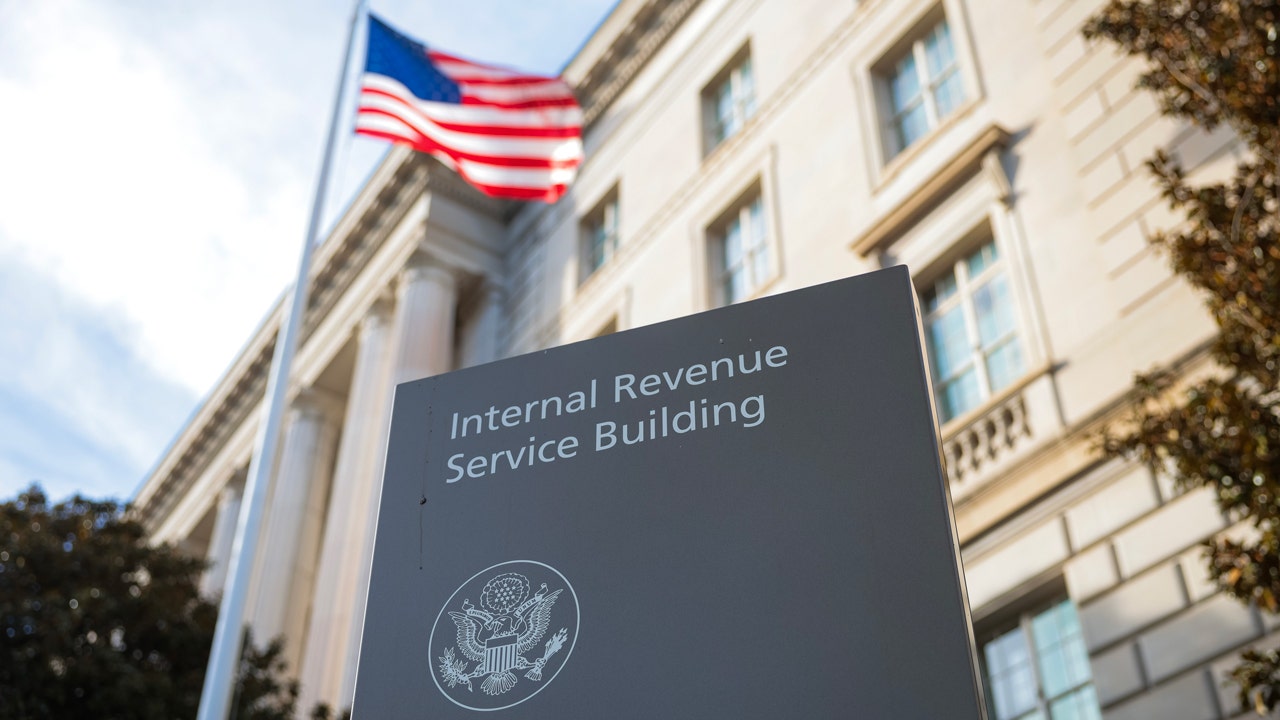
This aggressive IRS enforcement campaign has swept more than 1,100 syndicated conservation-easement disputes into audits and litigation, including roughly 740 cases docketed in U.S. Tax Court and about 400 transactions still under examination as of May 2026.
uncertain
campaign → sweep → May
The IRS improperly issued Notice 2017-10, branding an entire category of these legal, decades-old transactions presumptively abusive, retroactive to 2010.
asserted
IRS → issue → 2010
The result was an abusive enforcement campaign that has now clogged the U.S. Tax Court with more than a thousand cases.
asserted
that → clog → cases
If there are bad actors, of course, they should be punished.
asserted
they → be → course
A bipartisan Senate Finance Committee investigation identified serious abuses in some syndicated conservation-easement transactions, particularly deals involving inflated land valuations and outsized deductions.
asserted
investigation → identify → valuations
But evidence that some promoters abused the deduction does not give the IRS license to presume that every transaction was fraudulent or that every investor knowingly participated in a tax shelter.
asserted
investor → abuse → shelter
By using cookie-cutter metrics and conducting desk audits, the IRS has harassed law-abiding taxpayers, pressured them to pay tens of millions of dollars in unfair "settlement agreements," forced some to file for bankruptcy, and treated them like common criminals despite their having followed the law.
asserted
their → use → law
Clearly, the IRS changed tax law after the fact, which is only legal "with respect to criminal and penal cases, but not civil revenue measures."
asserted
which → change → cases
On top of that, the IRS does not make the laws.
asserted
IRS → make → laws
Congress does.
asserted
Congress → do → ?
Sadly, the IRS continued this aggressive approach during the Biden administration, when the agency received a major infusion of funding and personnel that expanded its enforcement capacity.
asserted
that → continue → capacity
Rather than correcting the campaign’s procedural and fairness problems, the administration allowed it to continue against taxpayers caught in these long-running conservation-easement disputes.
asserted
it → correct → disputes
Perhaps the most ironic part is that the IRS itself was caught engaging in illegal activity.
asserted
IRS → catch → activity
In a May 2026 report, the Treasury Inspector General found seven cases involving backdated penalty-approval documents; the IRS conceded more than $68 million in penalties in those cases.
uncertain
IRS → find → cases
Even so, IRS officials have frightening leeway to make allegations of tax fraud, then serve as judge, jury, and executioner, forcing people to pay tax bills that aren’t actually owed.
asserted
that → have → bills
It is a pattern of abuse that Americans have come to recognize: an agency substituting its own policy preferences for the law Congress wrote, then using its enforcement powers to punish law-abiding citizens who relied on the statute as written.
asserted
who → come → statute
It’s time for Congress to amend tax laws to prohibit after-the-fact tax changes so that trust and fairness in the tax code can be restored.
asserted
trust → ’ → code
In addition, the IRS should issue clear guidance on how to make a proper donation of a conservation easement and how to prudently value the deduction without creating later controversy.
asserted
IRS → issue → controversy
Finally, the IRS should immediately end the witch hunt against law-abiding taxpayers who were encouraged by Congress and the Treasury Department for decades to participate in conservation easement programs.
asserted
who → end → programs
Simply put, this is weaponization at its worst — and it is un-American.
asserted
it → put → worst
 The Aporia