FBI's spy hunting squads hit with deep cuts even as foreign espionage threats soar
FBI counterintelligence squads—specialized units dedicated to tracking and ferreting out foreign spies—have been hit with deep cuts across the country, even as the U.S. faces a growing array of adversaries intent on stealing the nation's secrets, according to five people familiar with the matter.
The staffing shortages are so significant that in many of the FBI's 56 field offices, counterintelligence squads only have 50% to 60% of positions filled.
uncertain
60 → hit → positions
In multiple field offices, the number of squads doing such work has been reduced by half.
asserted
number → do → half
The cuts come as the U.S. is mired in a war with Iran, and as China—a geopolitical strategic rival—wages what American officials say is a relentless campaign to steal U.S. government secrets as well as cutting-edge research and technology.
asserted
officials → come → secrets
Russia also remains a formidable adversary with highly capable and aggressive intelligence services.
asserted
Russia → remain → services
NPR spoke with five people familiar with the FBI's reduced focus on counterintelligence work.
asserted
NPR → speak → work
They all spoke on condition of anonymity because of the sensitive nature of the topic and for fear of retribution.
asserted
They → speak → retribution
"It's terrifying, honestly," one of the people said.
asserted
one → say → people
"Threats are growing and we're facing it with less and less.
asserted
we → grow → less
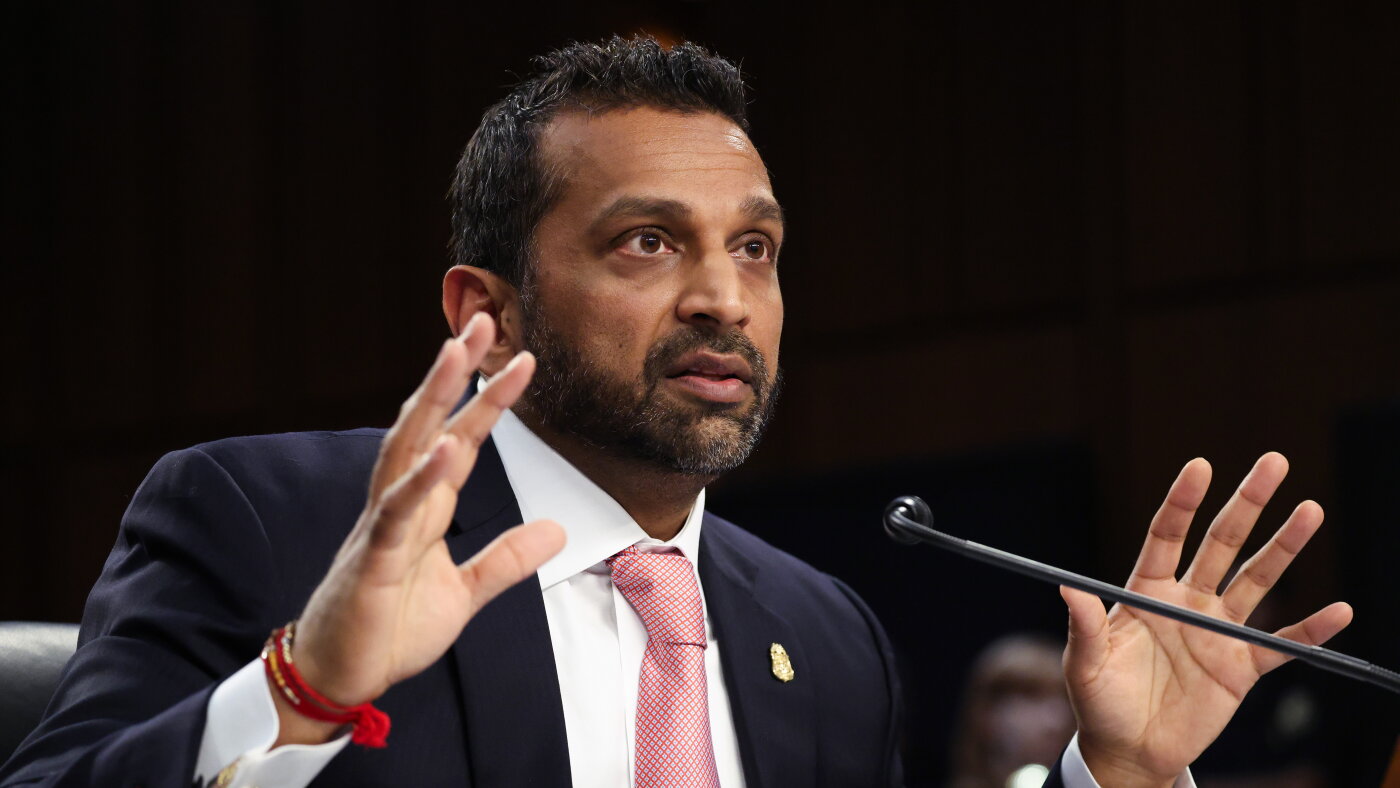
The cuts to the FBI's counterintelligence squads aren't the result of a specific directive from Director Kash Patel to reduce such work or close down dedicated squads.
asserted
cuts → reduce → squads
Instead, it's a consequence of the current leadership's focus on violent crime and immigration, the people familiar with the matter say.
asserted
people → say → matter
Bureau leaders have made clear that resources need to be dedicated to combatting violent crime, gangs and illegal immigration—top campaign issues for President Trump.
asserted
need → make → Trump
Counterintelligence has dropped down the ladder of FBI priorities.
asserted
Counterintelligence → drop → priorities
As a result, field offices have pulled agents and analysts from counterintelligence and put them on the administration's priority issues.
asserted
offices → pull → issues
And special agents in charge of field offices aren't backfilling those spots, but instead putting new agents or analysts on violent crime or immigration work.
asserted
agents → backfille → work
FBI touts arrest record
asserted
FBI → tout → record
In response to questions about the manpower shortages, an FBI spokesperson said: "This is false—the FBI maintains a robust counterintelligence operation across the enterprise."
asserted
FBI → say → enterprise
The spokesperson said the bureau has expanded its counterintelligence task forces to more than 1,500 personnel, including from partner agencies and state and local law enforcement.
asserted
bureau → say → agencies
"Anonymous sources who criticize our counterintelligence capabilities are disconnected from reality," the spokesperson said.
asserted
spokesperson → criticize → reality
The FBI also touted as successes the security at recent major events, including America's 250th anniversary celebrations and the FIFA World Cup.
asserted
FBI → tout → celebrations
In recent testimony before Congress, Patel said the FBI under his leadership has arrested more spies from Russia, China, Iran and North Korea "than any FBI in history."
asserted
FBI → say → history
NPR was not able to independently verify those assertions.
asserted
NPR → verify → assertions
While arrest numbers are one measure, experts say it isn't the most important metric of success in counterintelligence work.
asserted
it → say → work
"I want to know things like how many people were kicked out of the country because of an investigation, or how many networks were completely exposed and halted," said Emily Harding, an ex-CIA analyst and former deputy director of the Senate Intelligence Committee under Republicans.
asserted
Harding → want → Republicans
Sometimes the win is being able to trace a network all the way back to its source, and then being able to wrap up that network and perhaps trade them for something you want even more.
asserted
you → trace → something
The manpower shortages are also a ripple effect of Patel's push to get analysts out of the FBI's headquarters in Washington, D.C., and into the field—an effort that some former bureau officials say has merit.
asserted
officials → get → merit
But that effort comes with side effects.
asserted
effort → come → effects
When analysts who focused on counterintelligence were moved from headquarters to field offices, many were shifted off of counterespionage work and toward work on violent crime and gangs.
asserted
many → focus → crime
Losing those analysts has made it harder to start new investigations, according to the people familiar with the matter.
uncertain
it → lose → matter
Even if agents are able to open an investigation, a lack of analysts has made it harder to make sense of the evidence and provide direction for investigators.
asserted
it → open → investigators
Some have been fired or forced out by Patel and his leadership team.
asserted
Some → fire → Patel
That includes five special agents and a supervisor, all of whom worked Iranian counterintelligence threats, who were dismissed days before the Trump administration launched its war on Iran.
asserted
administration → include → Iran
They were among several special agents who worked on counterintelligence, including in New York, who were fired for having been involved in investigations of President Trump.
asserted
who → work → Trump
In total, the FBI has lost more than 1,500 special agents since President Trump returned to office, according to two people familiar with the matter.
uncertain
Trump → lose → matter
The agents who have left have taken their experience and institutional knowledge with them—both of which are in high demand for complex, nuanced counterintelligence work, where building sources and cases can take years.
asserted
sources → leave → years
"When you lose that knowledge, you don't just replace it with a brand new agent.
asserted
you → lose → agent
You lose the experience and are starting from scratch," one person said.
asserted
person → lose → scratch
Often, the goal isn't even to bring a case for prosecution, but instead to learn as much as possible about what an adversary is up to.
asserted
adversary → bring → what
"Counterintelligence cases frequently go on for years and years, and they result not so much in an arrest, but maybe in somebody getting kicked out of the country or something very quiet happening," said Harding, the former CIA analyst who is now at the Center for Strategic and International Studies think tank.
asserted
who → go → tank
It is slow, painstaking work that often involves long periods of time staring at a target.
asserted
that → involve → target
"If you have somebody who you think is a potential Russian spy, you need 24/7 coverage of that person, and that's a lot of manpower to do 24/7 coverage," she added.
asserted
she → have → coverage
…and 18 more, not listed.
 The Aporia