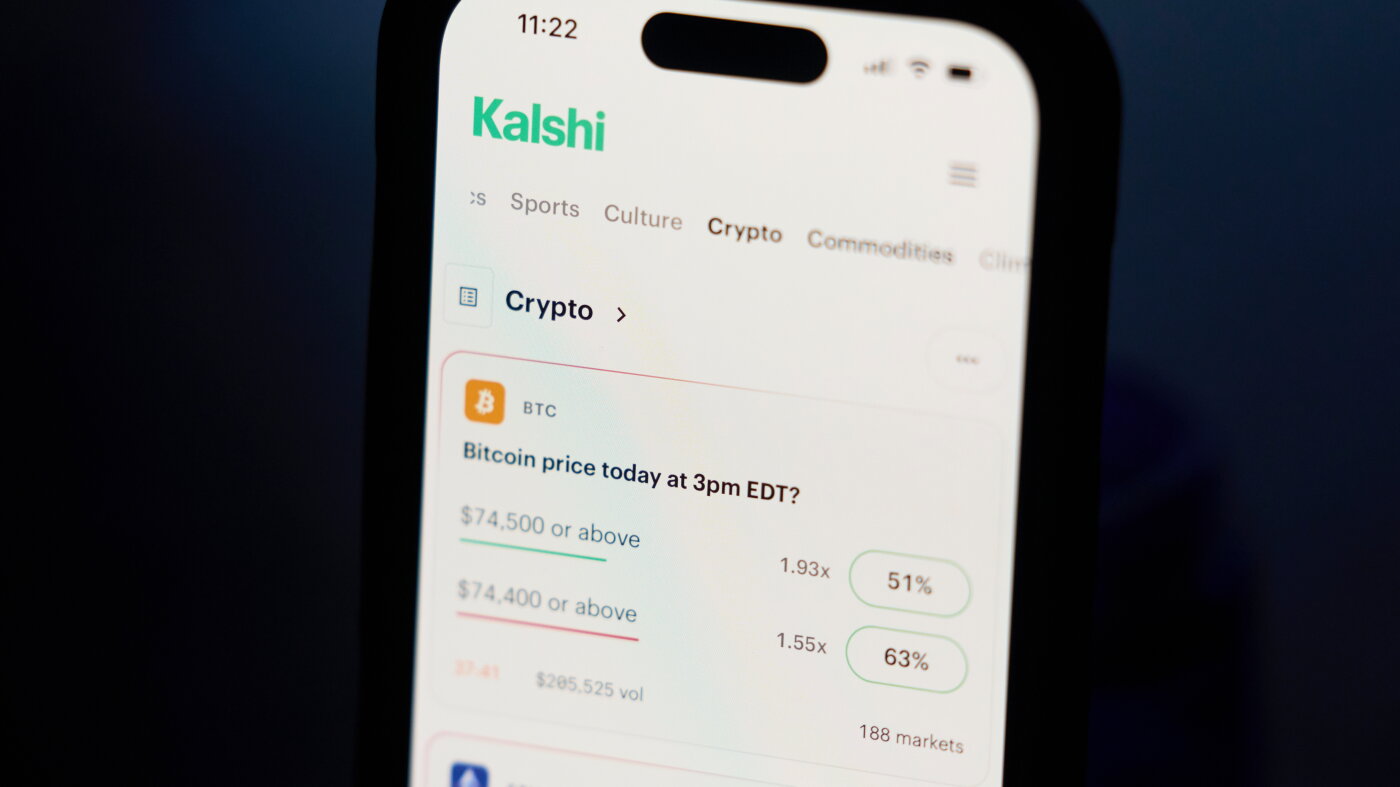
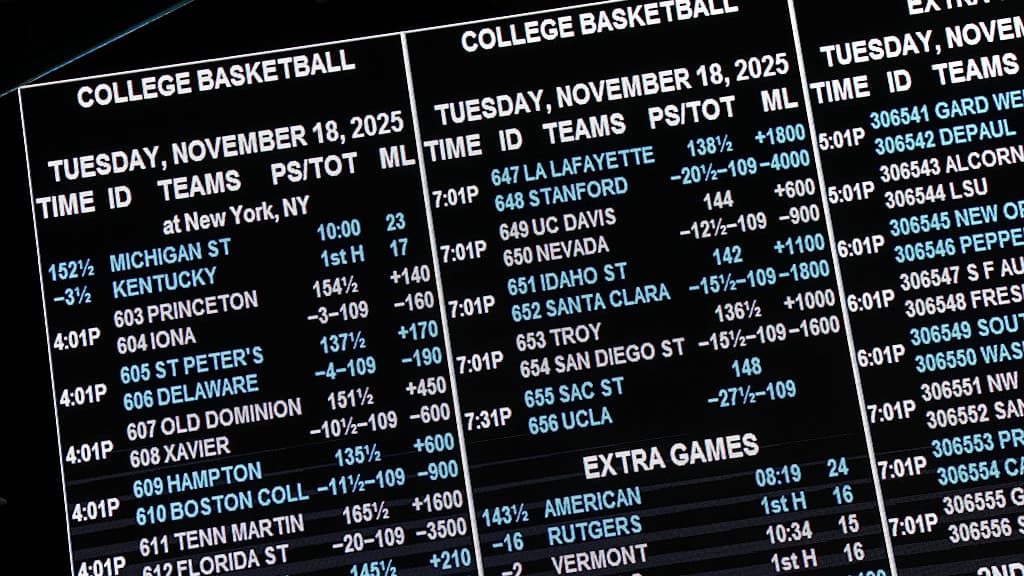
Online gambling has surged in the U.S. since the Supreme Court allowed states to legalize sports betting in 2018, prompting public health concerns about gambling addiction and calls for stricter consumer protections.
asserted
states → surge → protections
Online sportsbooks such as DraftKings and FanDuel have touted “responsible gaming” features as evidence that they are taking appropriate steps to protect consumers from spiraling out of control.
asserted
they → tout → control
Reporter Jake Pearson put these safeguards to the test.
asserted
Pearson → put → test
Bankrolled by ProPublica, he mimicked the betting patterns of a problem gambler for 10 weeks, consulting a panel of addiction specialists, recovering gambling addicts and professional sports bettors for advice.
asserted
he → bankroll → advice
He found that the safety features were overpowered by the app’s product design and promotions that pushed him to continue gambling.
asserted
that → find → him
Pearson detailed his entire journey, which you can read here.
asserted
you → detail → which
The industry relies on very active losers.
asserted
industry → rely → losers
Today, nearly a quarter of all Americans, and half of men ages 18 to 49, say they have an active sportsbook account, according to the Siena Research Institute.
uncertain
they → say → Institute
But that rapid growth has come with consequences: About a quarter of active sportsbook account holders surveyed by the organization this year said that they’d lost enough on a bet that they’d have trouble meeting their financial obligations.
asserted
they → come → obligations
Gamblers who lose frequently are the bettors sportsbooks are most interested in, Matthew Gaskell, a British psychologist and expert on gambling addiction, said.
asserted
Gaskell → lose → addiction
Gaskell noted that a relatively small number of active losers account for a substantial amount of sportsbooks’ revenue.
asserted
number → note → revenue
A 2024 study out of Connecticut found that 1.8% of problem gamblers in the state accounted for 51% of sports betting revenue.
asserted
% → find → revenue
If you’ve bet on sports with FanDuel or DraftKings, you can help ProPublica understand how these apps work.
asserted
apps → bet → FanDuel
DraftKings says its responsible gaming system provides adequate safeguards to protect customers from spiraling out of control.
asserted
system → say → control
“I think as a business, as an industry, we’re doing a good job of educating people, of raising awareness, of making tools and resources available, of monitoring accounts,” Lori Kalani, DraftKings’ chief responsible gaming officer, told Pearson.
asserted
Kalani → think → Pearson
Lawmakers from Colorado to Massachusetts are now proposing stricter consumer protections.
asserted
Lawmakers → propose → protections
DraftKings has adopted responsible gaming tools.
asserted
DraftKings → adopt → tools
They require users to opt in, limiting their effectiveness.
asserted
They → require → effectiveness
DraftKings’ responsible gambling safeguards include in-app notifications that encourage gamblers to take a break after they’ve lost money and “time reminders” that tell users how long they’ve been on the app.
asserted
they → include → app
The app also features a responsible gaming center that allows users to set a budget, track their spending or opt into tools like those that allow them to limit the amount of time and money they spend in a 24-hour period or enact more severe restrictions such as a multiday “cool off.
asserted
they → feature → cool
But this system largely relies on users to have the wherewithal to opt into the tools — something that experts say can be difficult for someone struggling with gambling addiction.
asserted
experts → rely → addiction
DraftKings told Pearson that if a customer’s behavior raises too many red flags, the company will proactively close an account.
asserted
company → tell → account
Yet it wouldn’t specify how often this actually happens.
asserted
this → specify → ?
Pearson’s experiment mimicked the behavior of a problem gambler to see when — and if — the company’s safeguards would stop him.
asserted
safeguards → mimic → him
The first in-app responsible gaming prompt Pearson received came more than a week after he began gambling on the NBA playoffs, when he’d already lost roughly what a minimum-wage worker in New York City earns in a month.
asserted
worker → receive → month
It told him that he’d hit $2,500 or more in deposits and said to “visit our Responsible Gaming Center anytime to set limits for yourself and access tools for safer play.”
asserted
he → tell → play
But the app’s warning wasn’t triggered by Pearson’s reckless betting.
asserted
warning → trigger → betting
It was legally required.
asserted
It → require → ?
When New York legalized mobile sports betting in 2023, lawmakers required the apps to notify users when they hit $2,500 in total deposits.
asserted
they → legalize → deposits
The pop-up gave Pearson two options: set limits or “I understand.”
asserted
I → give → limits
He clicked the latter and was back in action.
asserted
He → click → action
Even as Pearson exhibited red flag after red flag, according to our panel of experts, his subsequent warnings from the app followed the same pattern.
uncertain
warnings → exhibit → pattern
DraftKings says millions of customers have visited its responsible gaming center, but the little data available publicly suggests only a small percentage opt into these tools.
uncertain
percentage → say → tools
Just over 8% of active DraftKings users in Massachusetts were using them as of April, a company official told state regulators this summer.
asserted
official → use → regulators
The official added the number was trending up.
asserted
number → add → ?
Kalani says her 51-person team manually reviews user accounts suspected of problem gambling.
asserted
team → say → gambling
Yet even after Pearson deposited $21,600 into his account in less than eight weeks and exhibited just about every sign of compulsive gambling, he didn’t register for a manual review under the company’s criteria.
3.
asserted
he → deposit → criteria
The design of online sports betting platforms can encourage users to gamble more.
asserted
design → encourage → users
Online gambling companies have created sophisticated technology products designed to squeeze maximum engagement out of users, just as social media companies like Meta did years earlier with users of Facebook and Instagram, according to Darragh McGee, a researcher at the University of Bath.
uncertain
companies → create → Bath
Indeed, Pearson found that the app’s design encouraged him to keep betting.
asserted
design → find → him
…and 27 more, not listed.
 The Aporia