Mark Steele, former vice-president of RSPCA New South Wales and non-executive director of RSPCA Australia until March, resigned from his position due to what he described as "sincerely ashamed" standards for RSPCA-certified chicken. Steele criticized the high percentage—97%—of Australian meat chickens certified by the RSPCA despite being raised in conditions that animal welfare experts say are harmful. The article highlights concerns about fast-growing breeds of chickens that often suffer from health issues and suggests that current upgrades to welfare standards, while a step forward, do not address the core issue of using these problematic breeds.
Written locally by qwen2.5:14b on 2026-10-06,
using this article's own text rather than the other coverage of the
same event (that is the story summary below).
Story summary
Mark Steele, vice-president of RSPCA New South Wales, resigned from his position in September 2023 due to concerns over the welfare standards for RSPCA-certified chickens. In a LinkedIn post, he expressed deep disappointment and shame regarding the certification scheme that approves 97% of Australian meat chicken as meeting high welfare standards despite issues with fast-growing breeds.
In Australia, chicken consumption has increased dramatically, reaching an average of about 55kg per person annually. Nearly all of the 800 million chickens slaughtered yearly are from two fast-growing breeds, which reach slaughter weight between four and six weeks old. Animal welfare experts argue that such rapid growth can harm the animals' health.
Steele's departure underscores growing criticism over the RSPCA's certification practices and highlights the importance consumers place on ensuring ethical treatment of animals in agriculture.
Written for “RSPCA Welfare Standards Controversy” on 2026-10-06,
grounded in this article and the 0 other(s) covering the same event.
Why this leaning score
The model judged this article politically coded and scored it -0.65, but 1 quote(s) could not be found in the article and the other 3 are attributed speech rather than the article's own narration, so the score is not published.
Written under an earlier scoring contract, which gave a paragraph
rather than checkable quotes. Re-analysing this article replaces it.
Leaning score withheld for article 59241: no verified evidence · logged 2026-10-06
RSPCA New South Wales’s vice-president has left the animal welfare group, saying he is “sincerely ashamed” of the standards for RSPCA-certified chicken.
asserted
he → leave → chicken
Mark Steele, a senior counsel who was a volunteer member of the board from 2021 also served as a non-executive director of RSPCA Australia until March, issued a statement on LinkedIn outlining his decision to leave the group’s NSW branch for good at the end of September.
asserted
who → serve → September
“The RSPCA does much fine work,” he wrote.
asserted
he → do → work
“But there is one thing I have long been ashamed to be associated with: the use of the RSPCA’s trusted brand, through the RSPCA Certified scheme, to certify the welfare of 97% of Australia meat chicken.
asserted
I → be → chicken
Chicken accounts for almost half of all meat eaten in Australia.
asserted
Chicken → account → Australia
Consumption has doubled in the past 30 years, and Australians now eat an average of about 55kg of chicken meat per person per year.
asserted
Australians → double → year
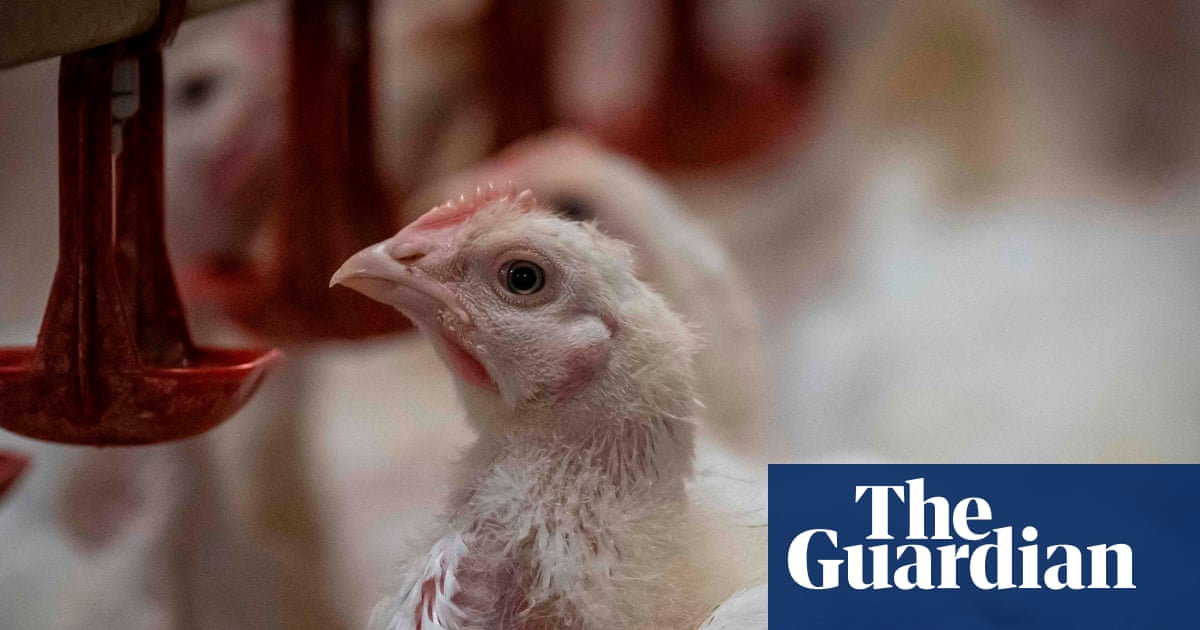
Almost all of the 800 million chickens slaughtered for meat in Australia each year are from one of two fast-growing breeds, which reach slaughter weight at between four and six weeks of age.
asserted
which → slaughter → age
Animal welfare experts say this rapid growth can stress the animals’ bodies.
asserted
growth → say → bodies
Most chicken produced in Australia is also RSPCA Certified, a badge which signals to consumers that the product meets higher welfare standards.
asserted
product → produce → standards
“In my view, a shopper who sees that RSPCA logo would naturally assume – and ought to be entitled to assume – that the bird lived a good life and died a humane death,” Steele wrote.
asserted
Steele → see → death
“In my opinion, a life like that cannot fairly be called good; which is why I don’t buy this chicken.”
asserted
I → call → chicken
Jed Goodfellow, the director of policy and government relations at Australian Alliance for Animals, said meat chickens grown that quickly can experience a range of issues, including cardiovascular, skeletal and dermatological problems “as their biology is pushed to the limits”.
asserted
biology → say → limits
“Healthier slower growing breeds are now being used in many parts of the world, particularly Europe …
asserted
breeds → grow → world
It may cost slightly more, but as their experience shows, the increase is not prohibitive, as European consumers increasingly opt for the healthier option,” he said.
uncertain
he → cost → option
Steele’s post comes just weeks after the RSPCA upgraded its animal welfare standards for chicken meat, which must be enacted by 1 January 2031 for producers to maintain their certification.
asserted
producers → come → certification
Those changes include lower stocking densities, variable light intensity in sheds, and the phasing out of a slaughtering method called electrical water bath stunning.
asserted
changes → include → method
But the new standards do not include phasing out fast-growing breeds.
asserted
standards → include → breeds
Instead, the organisation announced a new category of “enhanced” welfare standards which encourage producers to switch to slower-growing chicken breeds.
asserted
which → announce → breeds
The enhanced category does not yet have a label for consumers to identify, and those standards are voluntary.
asserted
standards → have → label
Steele said the new standards were a “small step forward” but criticised both the opt-in encouragement to adopt slower-growing breeds and the lack of an end date to phase out fast-growing breeds.
asserted
standards → say → breeds
He said consumers would not recognise the welfare issue with fast-growing breeds “while the most trusted name in Australian animal welfare sits on the packaging, answering the question before the shopper has even thought to ask it”.
asserted
shopper → say → it
“Until it does, I will remain sincerely ashamed that the name of an organisation I otherwise love and respect appears on this chicken.”
asserted
I → do → chicken
Last month, the RSPCA’s senior scientific officer, Melina Tensen, told Guardian Australia the organisation would ultimately like to see slower-growing breeds replace fast-growing breeds.
“We definitely encourage consumers to be vocal about supporting this transition … because every dollar you spend is a message to the retailer,” she said.
asserted
she → tell → retailer
 The Aporia