That is 0 articles you have read today.
The Aporia is free and carries no advertising, so readers are the only
thing paying for it. If you are getting this much out of it, a small
donation is what keeps it independent.
Daily limit reached
You have read 0 articles today.
That is more than the 15 a day The Aporia gives away,
and well past what it can carry on nothing. Your allowance resets at
midnight.
There is no advertising here and nothing about you is sold, so readers
are the only thing paying for it. If the site is worth this much of
your day, it is worth a few dollars.
Everything else stays open: the
maps, the
directory and
search do
not count against this, and neither does re-opening something you have
already read today.
Mainland Chinese scholars are developing proposals for how Taiwan might be governed after reunification with China, according to the South China Morning Post. These plans, currently in progress or near completion, consider varying levels of autonomy depending on whether reunification is achieved peacefully or otherwise. Scholars suggest that peaceful reunification would allow for greater self-governance under Beijing’s “one country, two systems” framework, and emphasize that early engagement could provide Taiwan with more negotiating power.
Written locally by qwen2.5:14b on 2026-10-06,
using this article's own text rather than the other coverage of the
same event (that is the story summary below).
Story summary
Beijing's policy advisers are developing plans for how Taiwan could be governed after reunification with mainland China. Seven years since initial discussions began, leading research institutes in China have finalized or nearly completed their proposals. Instead of proposing one rigid model, scholars suggest multiple scenarios depending on the path to reunification. A peaceful reunification under Beijing's "one country, two systems" framework would grant Taiwan the most autonomy. Professor Chen Xiancai from Xiamen University emphasized that early engagement in talks with mainland China could give Taiwan more leverage to shape the terms of reunification.
Written for “Taiwan Reunification Governance Plan” on 2026-10-06,
grounded in this article and the 0 other(s) covering the same event.
Why this leaning score
The article's own words the score was based on. Each is quoted
verbatim and was checked against the article text before being
stored, so you can find it in the original.
Leaning: leans right for article 58980 (high confidence, 2 verified quotes) · logged 2026-10-06
Claims extracted
5
claim-shaped sentences
Uncertain
20%
1 of 5 hedged
Leaning
Leans right
of the writing, not the subject · beta estimate
Correction & hedging signals
66.6
corrections and hedging in what we collected;
not a measure of accuracy
Outlets on this story
1
Politics
Narrative spread
1
articles carrying this framing
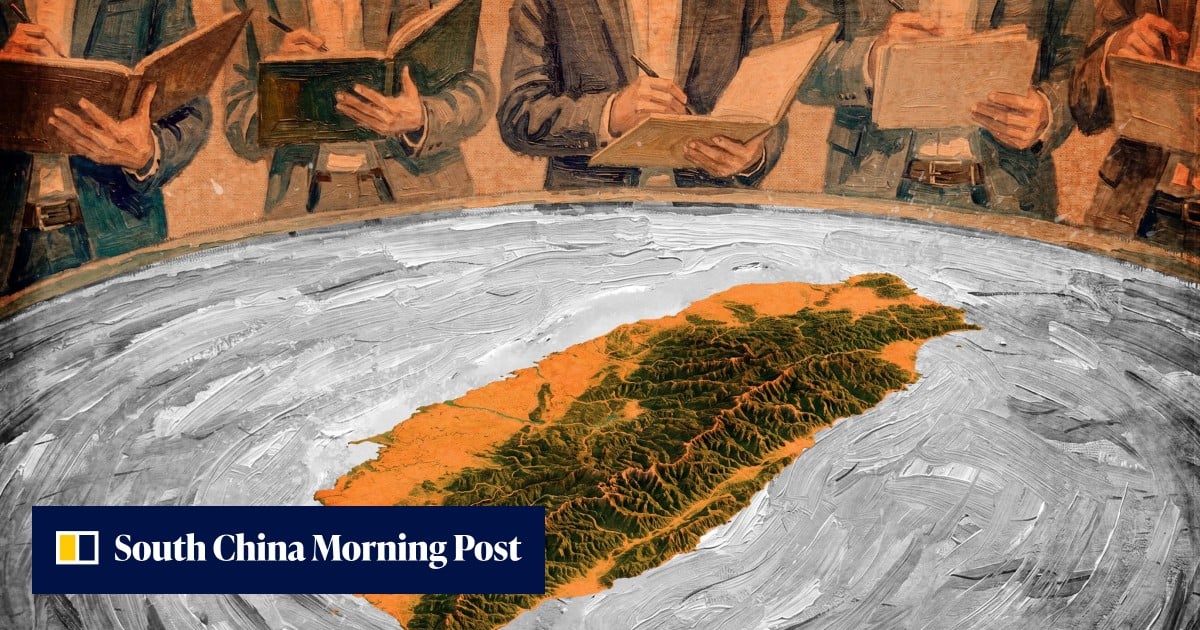
In FocusBeijing’s policy advisers map out how post-reunification Taiwan could be governed
uncertain
Taiwan → map → ?
Mainland Chinese scholars discuss varying levels of autonomy for the island based on how reunification is achieved
Seven years later, the first proposals from a handful of the mainland’s leading research institutes have either been finalised or are nearing completion, the South China Morning Post has learned.
asserted
Post → discuss → completion
Rather than setting out a single fixed model, scholars involved in those studies told the SCMP there should be different scenarios based on how reunification was achieved, with peaceful reunification granting Taiwan the largest scope of autonomy under Beijing’s “one country, two systems” framework for post-reunification governance.
asserted
reunification → set → governance
“The earlier Taiwan engages in talks with the mainland, the more bargaining power it would have, and therefore the greater the space it would have to shape the terms.
asserted
it → engage → terms
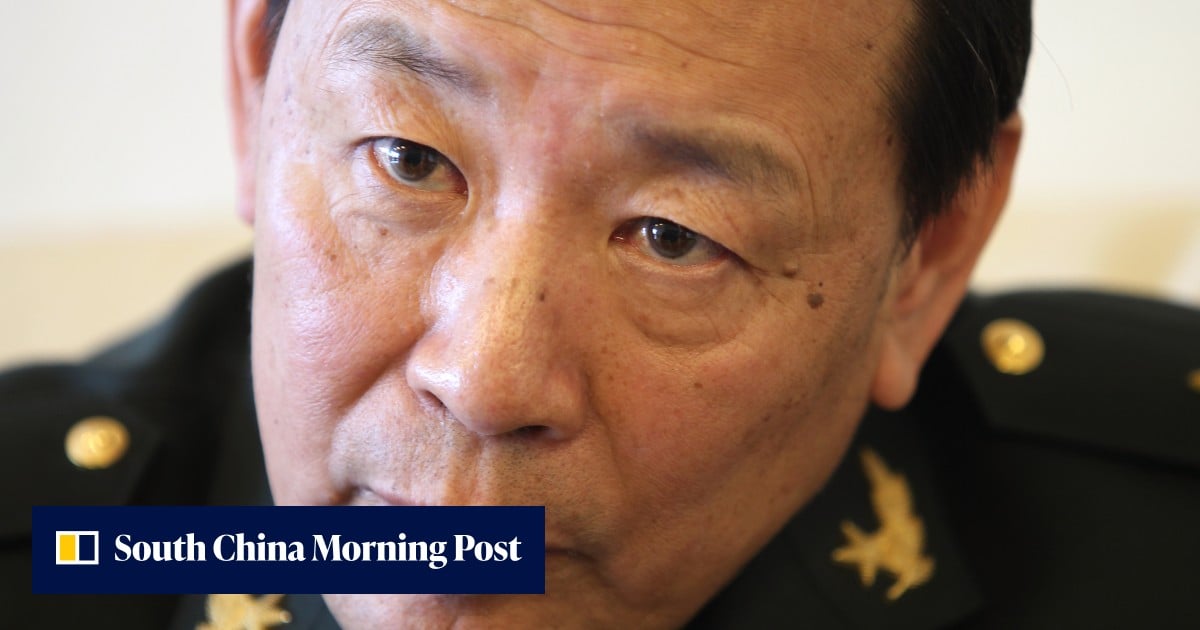
That is almost inevitable,” said Chen Xiancai, a Taiwan affairs professor at Xiamen University.
asserted
Xiancai → say → University
 The Aporia