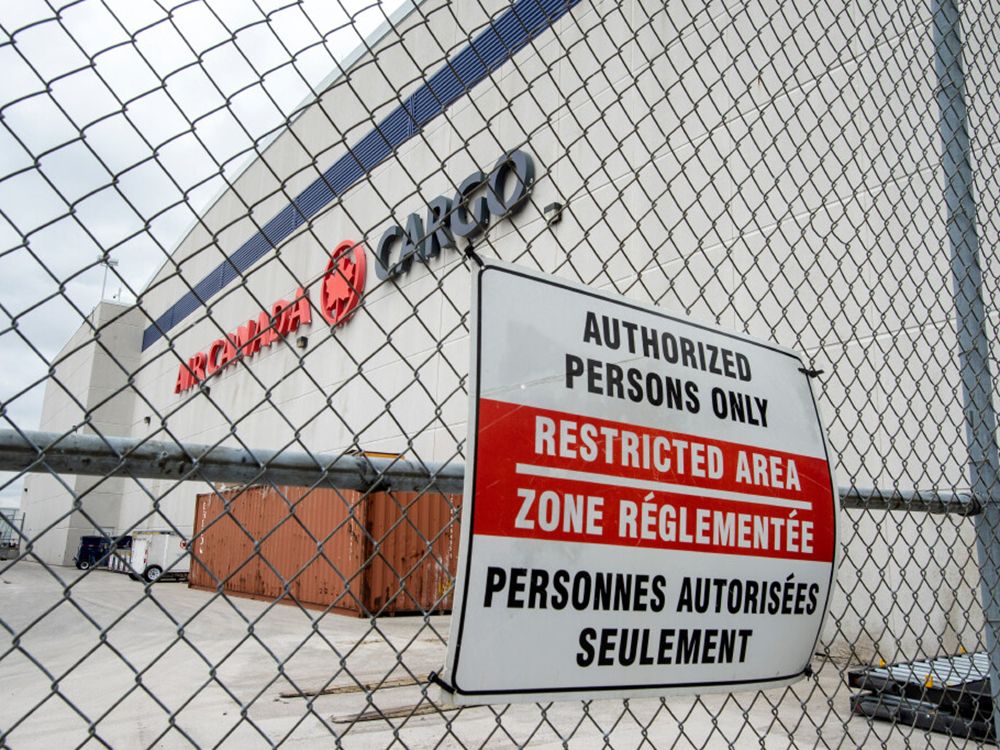
When the largest gold heist in Canadian history was pulled off at Air Canada’s cargo warehouse at Toronto airport in 2023, security was so lax that almost any employee could change critical information on any shipment from any computer, court heard.
uncertain
court → pull → computer
On the opening day of trial for Parmpal Sidhu, a former Air Canada cargo warehouse employee, an Air Canada manager testified that someone used her log-in credentials to change an important code that allowed the gold to be passed off as a shipment of salmon.
asserted
gold → testify → salmon
Elizabeth Zaritskaya, now the manager of Hub Operations at Air Canada, testified that even though she was not at the airport on the day of the Toronto Pearson gold heist, her password was used to redirect the shipment that was worth more than $22 million.
asserted
that → testify → shipment
“I was not working that day, but yes, my user ID was used to perform one of the functions” that allowed the spectacular heist, she testified in court.
asserted
she → work → court
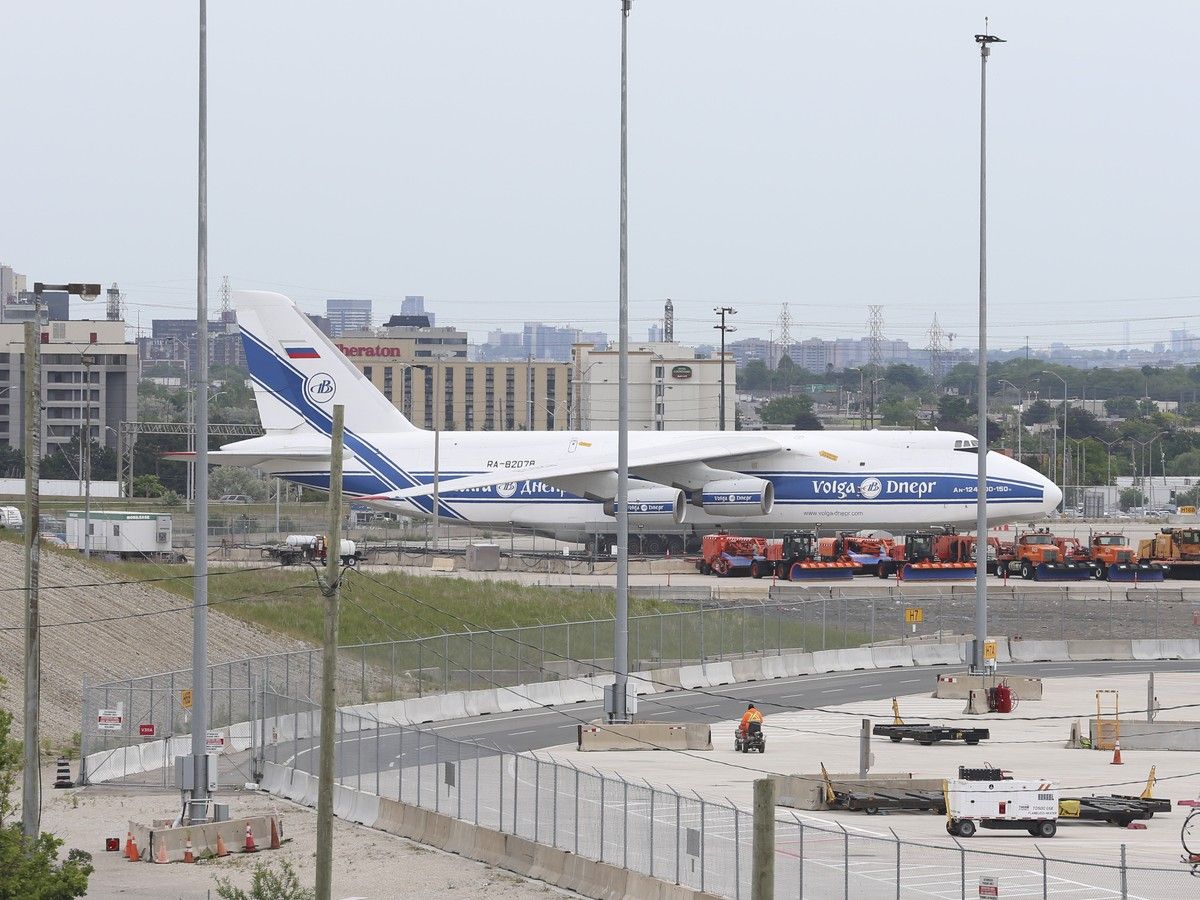
Security inside Air Canada’s warehouse at Toronto’s Pearson airport is key to unravelling the gold heist in April 2023 that led to a shipping crate stuffed with 400 kilograms of nearly pure gold and $2.5 million in currency being stolen shortly after it arrived on an Air Canada flight from Switzerland without anyone noticing for hours.
asserted
anyone → unravel → hours
Whoever logged in under Zaritskaya’s name used it to delete the code “VAL” from the shipment’s listing in the Air Canada cargo management system, court heard.
asserted
court → log → system
VAL, short for valuable, flags precious cargo for high-security handling.
asserted
VAL → flag → handling
The VAL code would have alerted staff unloading the crate from a flight from Zurich that it needed to be placed in a secure storage location, which is both locked and guarded, until armed Brink’s guards arrived to collect it.
asserted
guards → alert → it
Without the VAL code, staff treated it like regular cargo and placed it in a routine spot in the warehouse.
asserted
staff → treat → warehouse
As a result, Zaritskaya said, when the valuable crate arrived, staff treated as “a basic shipment and it could pass for fish,” and that was step one in the apparent insider plot that allowed it to be collected by someone picking up salmon from Scotland but taking gold from Switzerland.
uncertain
it → say → Switzerland
“So it was a very critical and crucial change,” Zaritskaya said.
asserted
Zaritskaya → say → ?
She said she didn’t know who had used her credentials.
asserted
who → say → credentials
Court heard that a second change was made to the gold shipment’s handling on the internal system using the login credentials of a different Air Canada manager.
asserted
change → hear → manager
That change told cargo workers not to breakdown or separate the contents of crate, even though the gold and the currency were going to different destinations.
asserted
gold → tell → destinations
A third element crucial to pulling off the heist was a handwritten notation on an Air Canada waybill changing the internal warehouse location code that tells employees where to pick up a specific shipment for a waiting customer.
asserted
that → pull → customer
While changing the VAL code disguised a valuable shipment as regular cargo, changing the warehouse storage space meant that when a truck driver presented the altered paperwork at the counter, the crate of gold was brought out by a forklift and loaded onto his white truck instead of a shipment of seafood.
asserted
crate → change → seafood
Court heard that security has improved at the warehouse, but at the time of the gold heist the evidence painted a picture of a security mess where computer credentials, profiles, and logins were frequently shared among employees out of convenience, shared workspaces, shared computers and staff forgetting to log out.
asserted
staff → hear → convenience
Sometimes she would sit down at a computer and find it already logged in by someone else and crucial internal systems were accessible.
“You would have a direct opportunity to change something or do whatever functions and, unfortunately, we used to do that,” she said under questioning by Crown prosecutor Tyler Powell.
asserted
she → sit → Powell
Sidhu’s lawyer, Shale Wagman, later pressed her further on the point.
asserted
lawyer → press → point
“Security, you would agree, was very lax at Air Canada cargo at that time,” Wagman asked Zaritskaya.
asserted
Wagman → agree → Zaritskaya
“Do I have to answer to this question,” Zaritskaya asked the judge.
asserted
Zaritskaya → have → judge
“There’s nothing wrong with the question,” said Judge Gordon Cudjoe of the Ontario Superior Court of Justice in Brampton.
asserted
Cudjoe → ’ → Brampton
“Not in every area,” Zaritskaya answered, “but it clearly was lacking since we have stolen gold, so I have to answer yes.”
asserted
I → lack → gold
Asked whether one of Sidhu’s co-accused in the gold heist, a fellow former Air Canada employee named Simran Preet Panesar, had access to Sidhu’s computer at the warehouse, Zaritskaya said she did not specifically know but it is likely.
asserted
it → ask → warehouse
“It is safe to assume that anybody would have access to (Sidhu’s) computer or to my computer or to any computer,” she said.
asserted
she → assume → computer
Similarly, she was asked by Powell about the official Air Canada stamps used on the doctored waybill that made it look official.
asserted
it → ask → waybill
Could any employee access them, he asked?
uncertain
he → access → them
“Yes,” Zaritskaya said.
asserted
Zaritskaya → say → ?
Probably the customer cannot reach out to grab them but anybody who is behind me or around me, they can just come and grab it.
asserted
they → reach → it
We didn’t monitor them or anything like that before.”
asserted
We → monitor → that
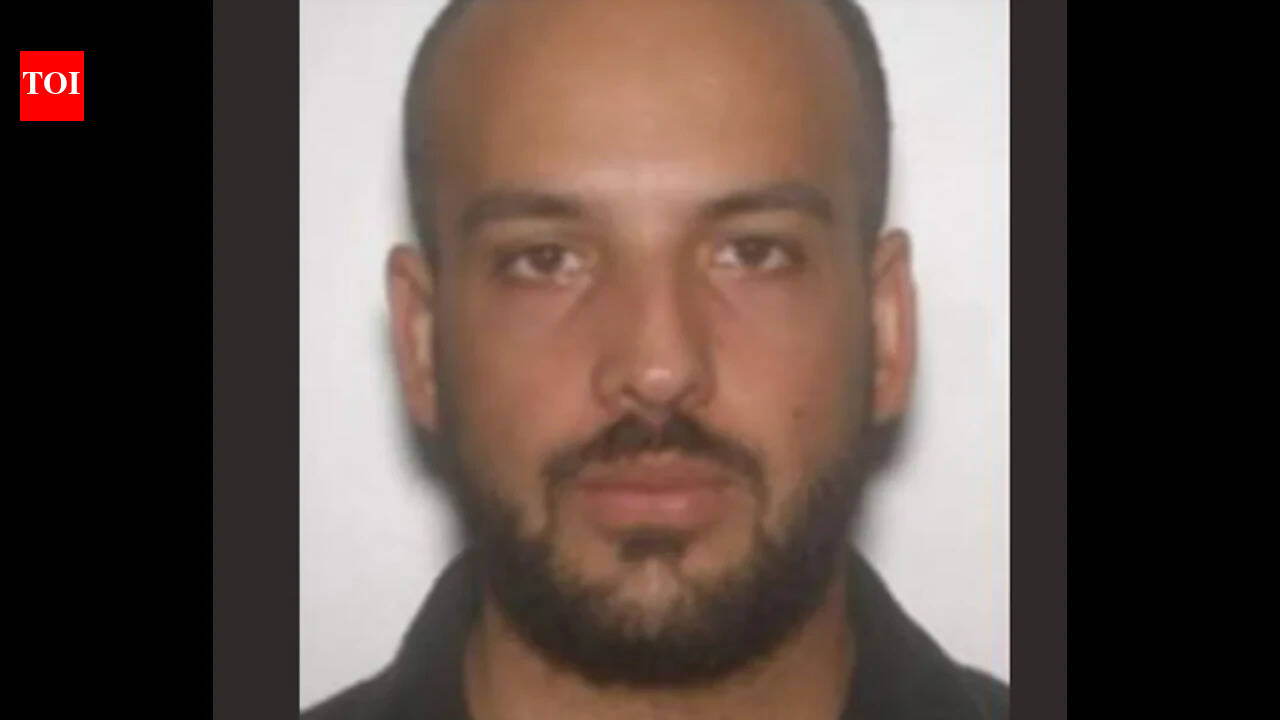
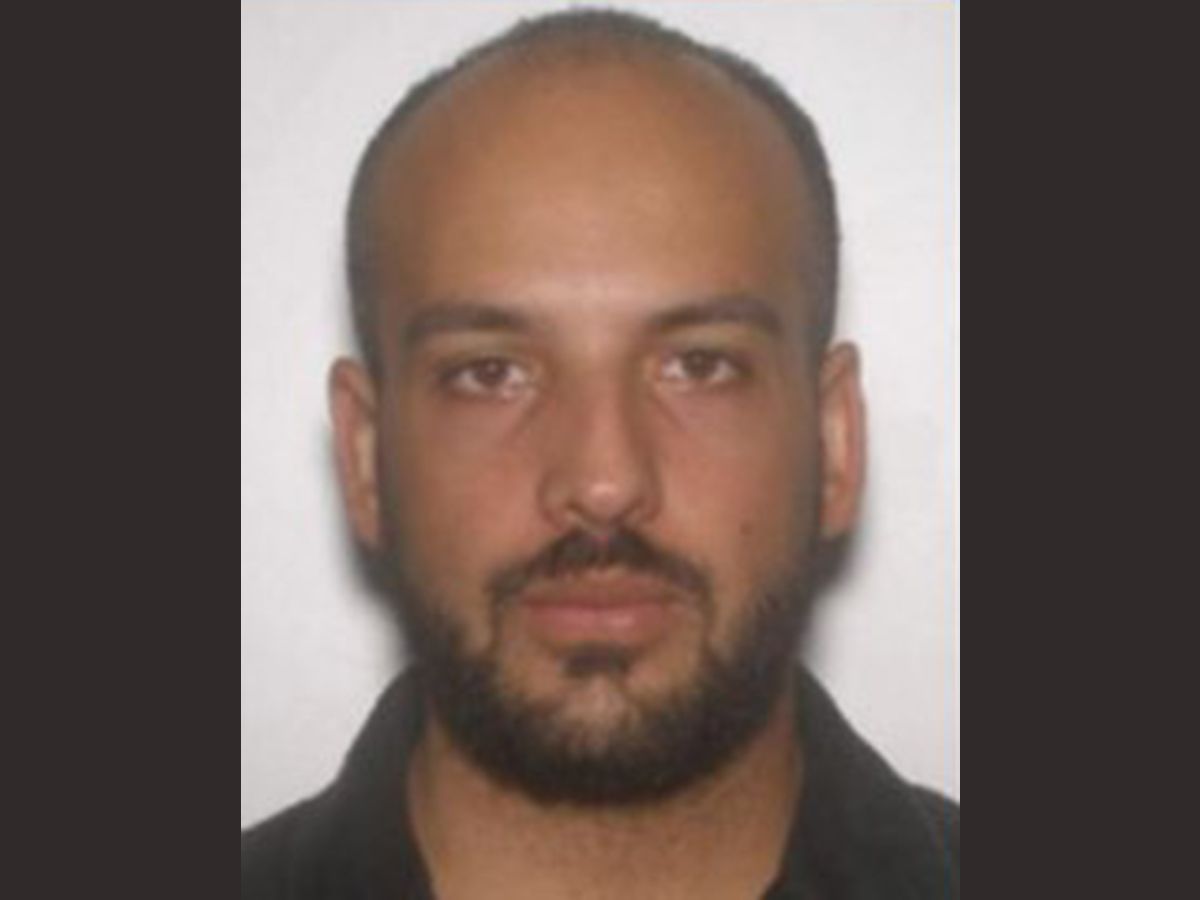
Zaritskaya was asked by prosecutors if she knew Sidhu, who sat beside his lawyers in court wearing a white button-up shirt under a light beige jacket, and periodically whispered to them.
asserted
who → ask → them
She said they used to be colleagues at the Air Canada warehouse, where he worked for several year before the gold theft.
asserted
he → say → theft
People often called him “Paul” at work.
asserted
People → call → work
“Anything I needed as a manager, he was there.
asserted
he → need → manager
So, at the time when I was working with him, there was no issues.
asserted
I → work → him
“I have to say he is very knowledgeable.
asserted
he → have → ?
He always knew everything.”
asserted
He → know → everything
That meant he had the knowledge to use any of the Air Canada computers or equipment and knew the codes and processes that impact all the shipments, she said.
asserted
she → mean → shipments
Sidhu pleaded not guilty to charges of theft over $5,000 and conspiracy to steal more than $5,000.
asserted
Sidhu → plead → 5,000
The trial continues Tuesday.
asserted
trial → continue → ?
 The Aporia