Everyone has been obsessed with the minerals needed to power the next generation of data centres, batteries and weapons.
asserted
Everyone → obsess → centres
Over the last few years, lithium, rare earths, antimony and tungsten have all taken turns in the critical minerals spotlight as governments scramble to secure supply chains and shore up their defence capabilities.
asserted
governments → take → capabilities
But while the world was busy hunting for the metals of the future, something far more fundamental was quietly becoming strategic: the humble fertiliser.
asserted
something → hunt → future
Suddenly, phosphate, the stuff that helps grow the world’s food, has been thrust from the farm shed onto the geopolitical chessboard.
asserted
that → help → chessboard
Global supply chain shocks, exacerbated by maritime choke points like the Strait of Hormuz, have laid bare the fragility of the world’s food supply.
asserted
shocks → exacerbate → supply
Nations are scrambling for alternative supplies, with the Middle East accounting for close to 30 per cent of global fertiliser exports.
asserted
East → scramble → exports
The downstream effects have compounded the problem.
asserted
effects → compound → problem
As sulphur prices surged due to Middle Eastern disruption, so too have input costs for phosphate processing operations globally.
asserted
costs → surge → operations
An even bigger structural shock has come from China, where the government has effectively told major phosphate producers to suspend exports until further notice.
asserted
government → come → notice
With China accounting for about 40 per cent of global phosphate production, the move has taken a sizeable chunk of supply out of the international market.
asserted
move → account → market
This new world order for phosphate has created profound opportunities for aspiring Western producers in jurisdictions outside the traditional supply hubs to supply the fertiliser at a premium.
asserted
producers → create → premium
Morocco, which holds the world’s largest phosphate reserves by a colossal margin at 50 billion metric tonnes, or over 68 per cent of the global total, is looking to cash in.
asserted
which → hold → total
Similarly, the US is expanding its operations through major producers Mosaic and Nutrien, locking in alternative supply to feed an increasingly hungry Americas market that needs new supply now.
asserted
that → expand → supply
With its booming agricultural sector, the South American country is one of the world’s largest fertiliser consumers and importers, leaving it desperately exposed to the kind of global supply disruptions that have supercharged fertiliser prices to around US$900 (A$1300) per tonne from pre-COVID levels of around US$300/t (A$430/t).
asserted
that → boom → t
One company that has read the tea leaves is ASX-listed producer Aguia Resources.
asserted
that → read → leaves
The recent developer-turned-producer has just transitioned its flagship Três Estradas phosphate project in southern Brazil to commercial operations, marking a monumental shift after years of painstaking permitting and development work.
asserted
developer → turn → work
The project sits squarely in Brazil’s agricultural heartland, where local farmers face acidic soils and a heavy reliance on imported fertilisers.
asserted
farmers → sit → fertilisers
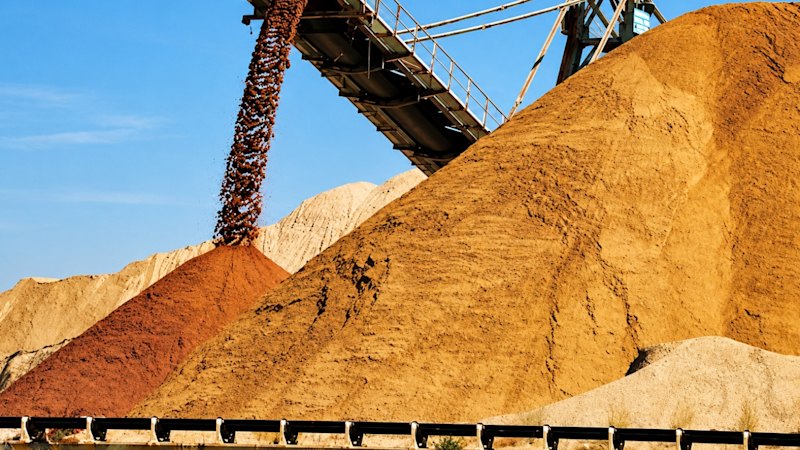
Aguia is producing its premium “Pampafos” natural organic phosphate fertiliser by selectively mining phosphate ore, blending it to target around 12 per cent phosphorus pentoxide, then drying and grinding it into a market-ready product.
asserted
Aguia → produce → product
The early numbers for Aguia suggest the plant is already running ahead of expectations - a rarity in the mining game.
asserted
plant → suggest → game
Within just six weeks of commissioning, the company says it has locked in a whopping $2.3 million in Pampafos sales, pointing to a healthy appetite for locally produced fertilisers.
asserted
it → say → fertilisers
The plant itself has a capacity of more than 200,000 tonnes per annum, giving the company plenty of room to grow those revenues as production ramps up.
asserted
production → have → revenues
Aguia says it has already locked in non-binding Memorandums of Understanding (MoU) covering a large portion of its initial output, with figures around 40,000 to 44,000 tonnes of sales, moving to longer-term ramp-up towards 100,000 tonnes per annum and beyond.
asserted
it → say → annum
Policy is also starting to line up behind the story.
asserted
Policy → start → story
Brazil’s federal Senate recently approved the Fertiliser Industry Development Program, or Profert, with a R$10 billion (A$2.6 billion) support package to expand local supply and reduce its heavy reliance on imports.
asserted
Senate → approve → imports
For a producer already selling into Brazil’s agricultural heartland, in a country that imports a huge share of its fertiliser needs, Aguia’s local, reliable and cheaper supply appears a powerful proposition.
asserted
supply → sell → needs
Back on home soil, another ASX-compatriot, Avenira, is jostling for Australia’s excess domestic supply by rolling out plans for what could be one of the country’s biggest high-grade phosphate resources in the Top End.
uncertain
what → jostle → End
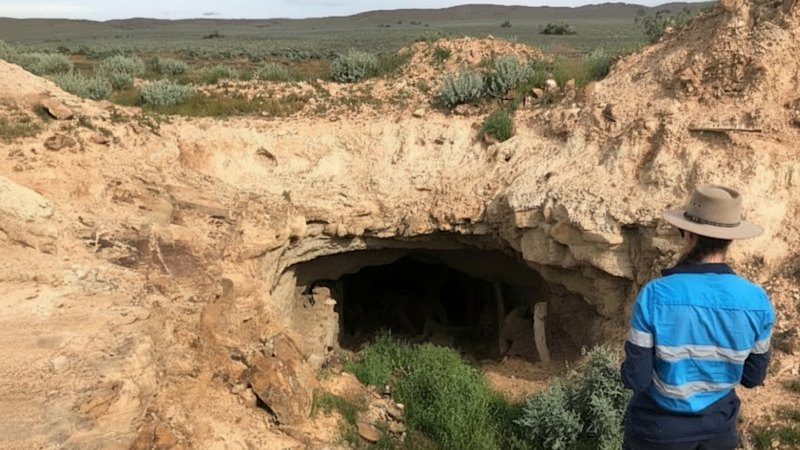
The company’s Wonarah phosphate project in the Northern Territory already hosts a JORC resource of 812 million tonnes at 18 per cent phosphorus pentoxide for roughly 146Mt of contained phosphorus.
asserted
project → host → phosphorus
Avenira says it is pursuing a clever multi-stage development strategy that begins with a direct shipping ore operation at Wonarah for early revenue.
asserted
that → say → revenue
The initial phase targets pre-strip activities in the December quarter of this year and first shipments in the first half of 2027.
asserted
phase → target → 2027
The project sits neatly between Tennant Creek and Mount Isa, with access to transport and water infrastructure.
asserted
project → sit → transport
If all goes well on the DSO front, the plan could quickly progress towards larger-scale beneficiation to produce a higher-grade phosphate ore by 2030.
uncertain
plan → go → 2030
Dependent on continued sky-high prices, a third phase ramp-up could be rolled out in the next decade to produce high-value downstream products such as yellow phosphorus and thermal phosphoric acid for the burgeoning battery and electronics markets - a seriously long-term vision for a resource that can stretch well beyond the next decade if needs be.
uncertain
needs → continue → decade
To fund this transition, the company recently launched a three-for-two renounceable rights issue to raise up to $49 million.
asserted
company → fund → million
The raising marks a central step in Avenira’s move from developer to producer, providing the balance sheet to turn Wonarah from a permitted project into an operating mine.
asserted
raising → mark → mine
Tellingly, major shareholder Hebang Biotechnology, which tipped in $8.8 million in July, has confirmed it will participate fully in the rights issue to maintain its 60 per cent voting interest, providing a solid vote of confidence from its cornerstone backer.
asserted
it → tip → backer
Meanwhile, in North Africa, PhosCo is navigating what it describes as a “bumpy road” in Tunisia’s Northern Phosphate Basin as it works to monetise a potentially world-class fertiliser hub.
asserted
it → navigate → hub
The company says it is well on its way to developing its wholly owned Gasaat project, a nearly zero strip ratio beast in an emerging phosphate jurisdiction.
asserted
it → say → jurisdiction
Gasaat is classified as a marine carbonate-hosted sedimentary deposit.
asserted
Gasaat → classify → deposit
Simply put, the phosphate formed in ancient marine sediments and now sits within a layered rock sequence thatcan often traces for miles and miles.
asserted
thatcan → put → miles
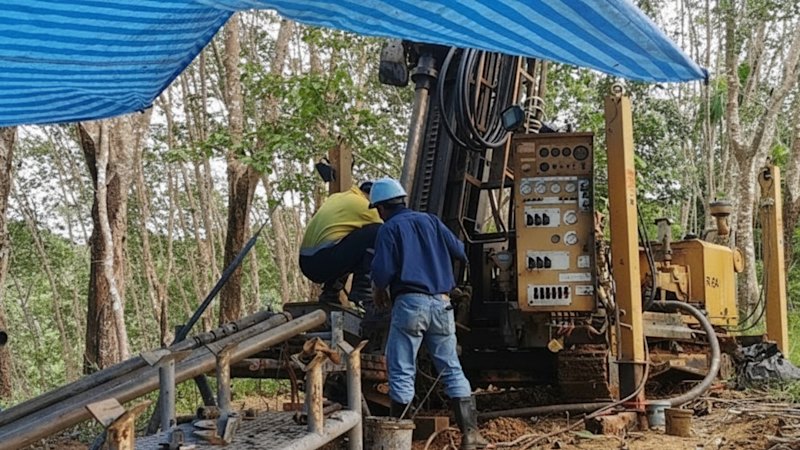
Recent drilling at its newest KM and KH prospects has returned impressive first-pass results, including shallow hits up to 53m grading a hefty 22.3 per cent phosphorus oxide from 53m.
asserted
drilling → return → 53
…and 27 more, not listed.
 The Aporia