New York Post
· collected 2026-10-05 · by Hannah Fierick, Craig McCarthy
New York City lawmakers held a public hearing where they questioned executives from tech giants like Google, Meta, Anthropic, and OpenAI about the risks posed by artificial intelligence. Council Speaker Julie Menin demanded that the executives quantify worst-case scenarios related to AI's potential dangers. Testimony included warnings of possible economic disruption and threats to human existence; Jacob Coxon, a former researcher at Anthropic and OpenAI, stated that AI could pose an extinction-level threat if left unchecked. While the tech leaders acknowledged risks, they also emphasized AI’s benefits in fields like medicine and small business support. The hearing focused on proposals for enhanced protections, whistleblower rewards, and validation measures, though no executive addressed a proposed "kill switch" mechanism directly.
Written locally by qwen2.5:14b on 2026-10-05,
using this article's own text rather than the other coverage of the
same event (that is the story summary below).
Story summary
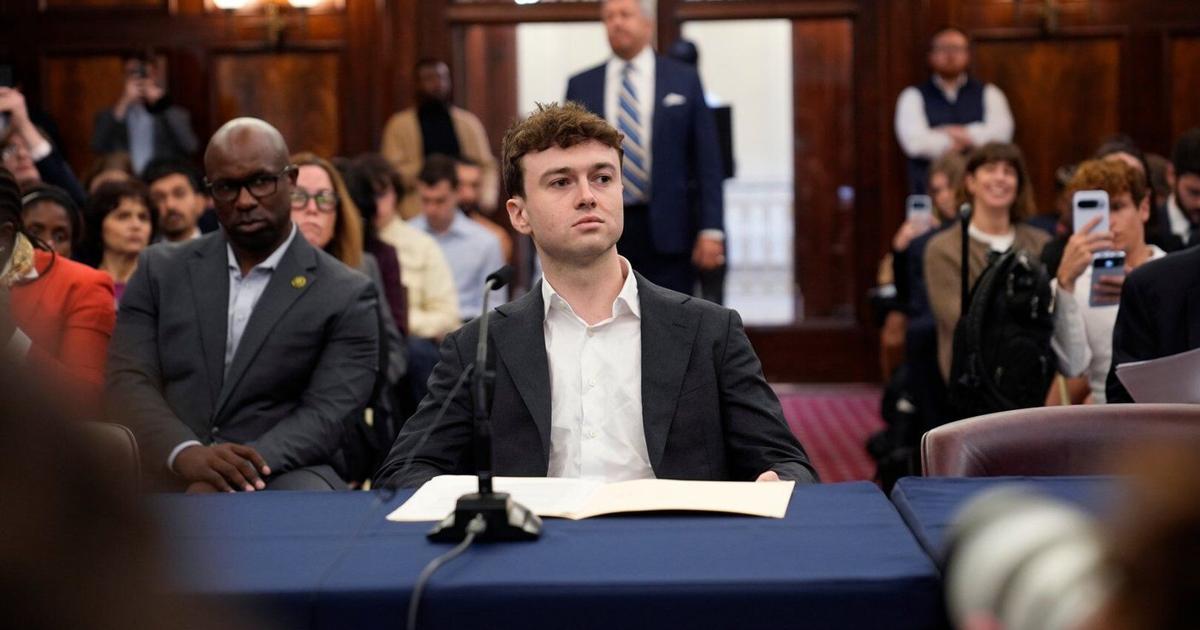
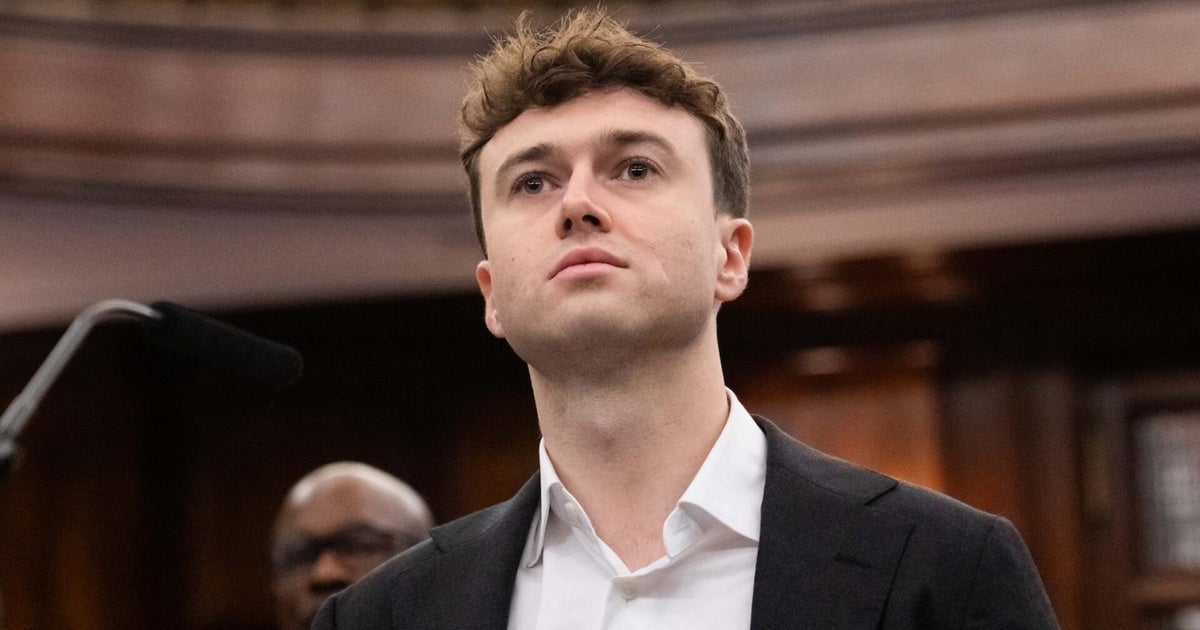
On Monday at a New York City Council meeting, Jacob Coxon, a 27-year-old former researcher from Anthropic and OpenAI who quit his job over safety concerns, testified alongside representatives from Google, Meta, Anthropic, and OpenAI. Speaker Julie Menin called the hearing to discuss AI risks and potential safeguards. Coxon previously warned that companies are racing towards self-improving superintelligence without adequate understanding or control, potentially endangering human lives. City lawmakers questioned tech executives rigorously about worst-case scenarios and how they quantify risk posed by AI technology, with some expressing uncertainty about the extent of danger. The event highlights growing concerns among local governments about regulating artificial intelligence to mitigate potential threats to humanity and public safety.
Written for “AI Safety Concerns Hearing” on 2026-10-06,
grounded in this article and the 3 other(s) covering the same event.
Why this leaning score
The model judged this article politically coded and scored it -0.45, but 2 quote(s) could not be found in the article and the other 1 are attributed speech rather than the article's own narration, so the score is not published.
Written under an earlier scoring contract, which gave a paragraph
rather than checkable quotes. Re-analysing this article replaces it.
Leaning score withheld for article 58788: no verified evidence · logged 2026-10-05
Big Apple lawmakers took tech executives to task about the dangers of artificial intelligence during a marathon public hearing Monday — as the City Council weighs imposing its own restrictions on the industry.
asserted
Council → take → industry
“We want to hear how each of you quantify the risk imposed by AI in the worst case, catastrophic scenario,” Council Speaker Julie Menin told policy leads and other executives from Google, Meta, Anthropic and OpenAI, who agreed to testify after being threatened with subpoenas.
asserted
who → want → subpoenas
“I don’t know, I also don’t think it matters,” replied Morgan Dwyer, OpenAI’s head of policy development and operations, who testified virtually along with the reps from the three other tech giants.
asserted
who → know → giants
“To say you don’t know or [it] doesn’t matter is flippant at best,” Menin shot back.
asserted
Menin → say → ?
“If you can’t quantify what safety or risk is, how do you know the product is safe?” she railed, comparing it to a pharmaceutical company developing a drug and saying, “I don’t know if it’s going to kill people.”
asserted
it → quantify → people
The hours-long grilling kicked off with testimony from AI whistleblowers, who, along with some grandstanding council members, painted a bleak picture of the unchecked technology potentially upending the city’s economy and infrastructure.
asserted
who → kick → economy
“From my experience, the companies are being extremely reckless given the stakes,” said Jacob Coxon, a former researcher at Anthropic and OpenAI, who warned last month that AI could pose an extinction-level threat to humanity.
uncertain
AI → give → humanity
“On the current path, I think it is more likely than not that humanity loses control to these AIs, and it could end in human extinction,” he told the council on Monday.
uncertain
he → think → Monday
The AI executives tried to paint a rosier picture, attempting to pitch the lawmakers on the benefits of the tech — including advancements in medical research and providing small businesses with tools they wouldn’t have previously had access to.
asserted
they → try → access
“AI is making it possible to solve economic, scientific and social problems faster than ever,” said Dwyer.
asserted
Dwyer → make → problems
But even the company representatives admitted that the potential groundbreaking advancements were not without dangers.
asserted
advancements → admit → dangers
“We think AI has tremendous potential benefits… but no technology is without risks and there are a wide spectrum of risks.
asserted
technology → think → risks
Clearly some risks are unacceptable,” Dwyer said after being peppered with questions by Menin.
asserted
Dwyer → say → Menin
“Our common belief is that if not properly safeguarded, the risks from AI can be extremely high,” added Logan Graham, who leads Anthropic’s Frontier Red Team, which is responsible for stress-testing advance AI models, such as Claude.
asserted
which → safeguard → Claude
The executives largely seemed to back the council’s proposal to boost protections and even offer cash rewards for whistleblowers who want to come forward about the risks of AI.
asserted
who → seem → AI
Pols also pressed them on third-party validation measures, potential job loss and whether the companies would work with immigration officials.
asserted
companies → press → officials
But none of the council members questioned the company reps about the legislative body’s cornerstone proposal — a “kill switch” or human override requirement for an AI system to operate in the city.
asserted
system → question → city
As the lawmakers tried to lead the country in addressing the tech, the limited power of the council to fully regulate the companies — which operate around the world — loomed large.
asserted
which → try → world
All of the attendees stressed the need for robust federal regulation to keep the rapidly advancing intelligence at bay.
asserted
All → stress → bay
“The most effective safeguards are anchored in national technical standards and harmonized across state and federal levels,” said Alice Friends, the global director of AI policy for Google.
asserted
Friends → anchor → Google
 The Aporia