That is 0 articles you have read today.
The Aporia is free and carries no advertising, so readers are the only
thing paying for it. If you are getting this much out of it, a small
donation is what keeps it independent.
Daily limit reached
You have read 0 articles today.
That is more than the 15 a day The Aporia gives away,
and well past what it can carry on nothing. Your allowance resets at
midnight.
There is no advertising here and nothing about you is sold, so readers
are the only thing paying for it. If the site is worth this much of
your day, it is worth a few dollars.
Everything else stays open: the
maps, the
directory and
search do
not count against this, and neither does re-opening something you have
already read today.
The Sydney Morning Herald
· collected 2026-10-05 · by Catherine Strohfeldt
Queensland is not implementing screen time restrictions for students as other eastern states like New South Wales and Victoria are doing from Term 1 next year. Queensland Education Minister John-Paul Langbroek stated that schools will maintain a balance between digital and non-digital learning methods, including pen-and-paper tasks when appropriate. This decision reflects skepticism about the current research supporting screen time limits in education. Brisbane parent Terry Dube supports limited use of technology in classrooms, suggesting it should be around 5-10% of daily instruction time for basic computer literacy skills.
Written locally by qwen2.5:14b on 2026-10-05,
using this article's own text rather than the other coverage of the
same event (that is the story summary below).
Story summary
Eastern states such as New South Wales and Victoria are implementing strict limits on screen time in schools, with plans to dedicate significant portions of each school day free from devices like computers, tablets, and interactive whiteboards. Starting term 1 next year, these regions will restrict device use to as little as 15 minutes per day. In contrast, the Queensland government is not adopting this approach, preferring to maintain a balance between traditional pen-and-paper tasks and digital learning tools. Queensland Education Minister John-Paul Langbroek emphasized the need for an "appropriate balance" rather than strict limitations. This decision comes amid national concerns over declining literacy rates and growing worries about artificial intelligence's impact on education. Brisbane parent Terry Dube supports moderate screen usage, suggesting it should be limited to 5 or 10 percent of the school day for basic digital literacy skills.
Written for “Queensland Education Policy” on 2026-10-05,
grounded in this article and the 0 other(s) covering the same event.
Why this leaning score
The model judged this article politically coded and scored it -0.35, but 1 quote(s) could not be found in the article and the other 1 are attributed speech rather than the article's own narration, so the score is not published.
Written under an earlier scoring contract, which gave a paragraph
rather than checkable quotes. Re-analysing this article replaces it.
Leaning score withheld for article 58143: no verified evidence · logged 2026-10-05
Eastern states are cutting back screen time for students but the Queensland government says it’s not sold on current research and is instead championing a balance between pens on paper and eyes on screens.
asserted
it → cut → screens
From term 1 next year, schools in NSW and Victoria will introduce dedicated time away from devices – including computers, tablets, and interactive whiteboards – and limits on their use as restrictive as 15 minutes each day.
asserted
schools → introduce → minutes
Queensland Education Minister John-Paul Langbroek has made no such promise, instead saying schools would “maintain an appropriate balance between digital and non-digital learning, including pen-and-paper tasks where suitable”.
asserted
schools → make → tasks
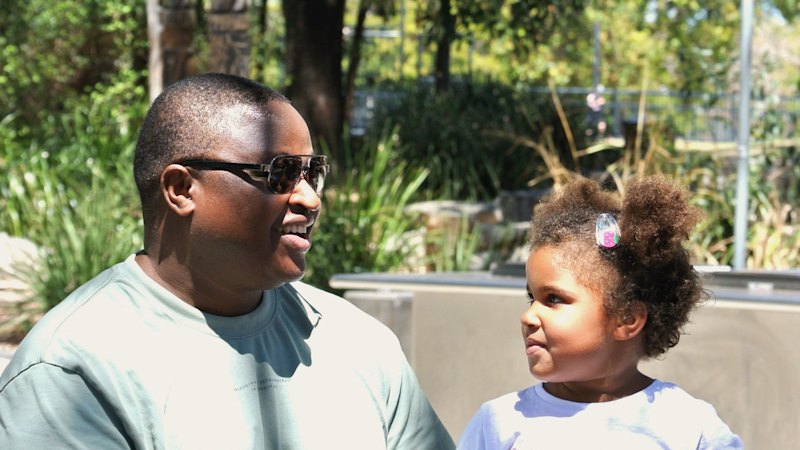
Brisbane father-of-two Terry Dube said although screens had not yet noticeably crept into his twin daughters’ prep classroom, he was already considering how technology would affect their education.
asserted
technology → say → education
“In terms of cognitive abilities, things will stick better if done on pen and paper than using screens,” he said.
asserted
he → stick → screens
“They’re OK in moderation – say if it was maybe 5 or 10 per cent of the day – just for getting basic literacy with computers … like an IT subject for their curriculum per se.
asserted
it → ’re → curriculum
The crackdowns follow lagging national results in reading, writing, numeracy, and a 20-year-low in digital literacy – with Queensland lagging other mainland states – and growing concerns about artificial intelligence disruption in schools and universities.
asserted
Queensland → follow → schools
In early September, the Programme for International Student Assessment (PISA) ranked Australian classrooms as among the world’s most disruptive, blaming distracting digital devices.
asserted
Programme → rank → devices
Langbroek said he was among several state education minsters who had asked the commonwealth for more research into digital learning tools.
asserted
who → say → tools
University of Queensland director of the Learning, Instruction & Technology Lab, Professor Jason Lodge said existing research paints a conflicting picture.
“Kids are brought up in these digital environments, but that doesn’t necessarily mean they have the right skills, so the question is, ‘what are the right skills to have?’” he said.
Lodge said younger students were more likely to find technology disruptive.
For these students, educational games could inhibit their ability to focus and read deeply, and AI tools could encourage them to offload critical thinking before they could develop it.
“Once kids get to about 13, 14, 15, they become obviously more mature and … able to make better judgements about these things, but the education system plays a huge role in preparing them for that,” Lodge said.
uncertain
Lodge → say → that
However, he said screen time was a “blunt measure” in conversations concerning any kind of “digital detox”, especially where AI was concerned.
asserted
AI → say → detox
“It’s not just about today’s technology, but how do we set kids up for whatever that technology might look like in the future,” he said.
uncertain
he → ’ → future
Lodge said it may take several years to determine the right approach for technology in schools, supporting the state’s decision to hold back.
uncertain
it → say → decision
“We’ve got to trust our professional teachers at some point in this,” he said.
asserted
he → get → this
“We want to empower them to make good decisions on the ground rather than making these blanket decisions.”
asserted
We → want → decisions
 The Aporia