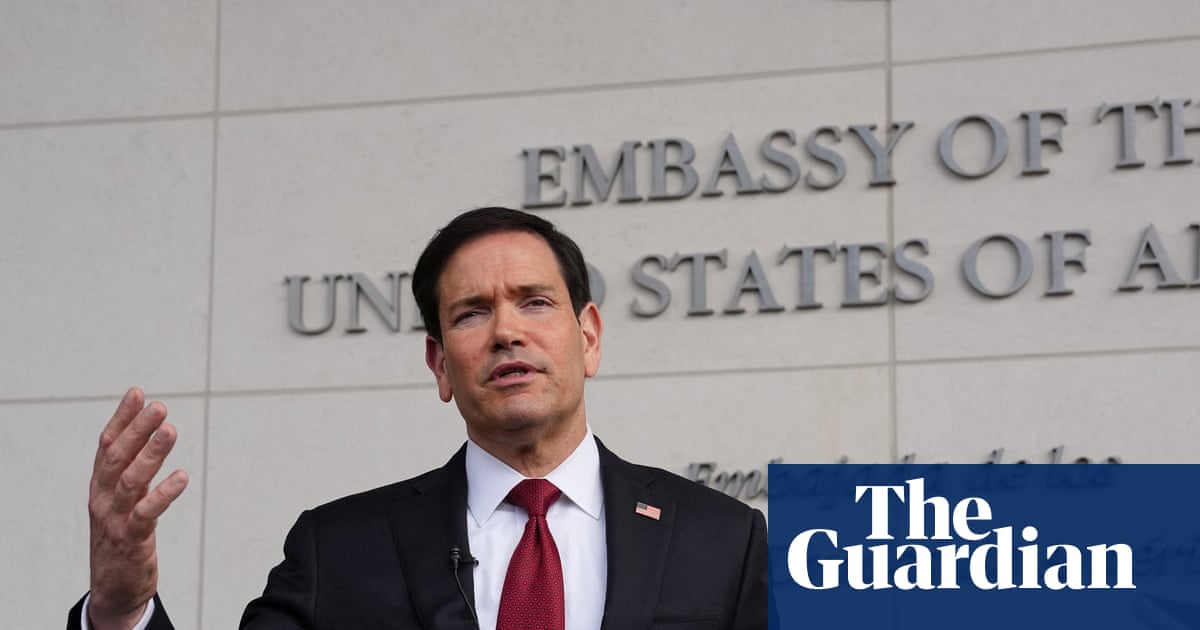
Latin America is seeing growing military activity by the United States.
asserted
America → see → States
Under the umbrella of the Americas Counter-Cartel Coalition (ACCC), launched by President Donald Trump in March, US forces are carrying out strikes on vessels suspected of drug trafficking, while US officials are deepening ties and cooperation with Latin American militaries.
asserted
officials → launch → militaries
This reflects the growing push from Washington towards militarisation of the region, as left-wing politics decline.
asserted
politics → reflect → region
For Latin America, this may spell the return of coercive US policies.
uncertain
this → spell → policies
The projection of US military power, whether through coordinated operations, US boots on the ground or the use of regional bases, will not help improve regional security and fight crime.
asserted
projection → coordinate → crime
If anything, it could undermine democracy and usher in more violence and instability.
uncertain
it → undermine → violence
Apart from the US, the ACCC includes 17 Latin American and Caribbean nations: Argentina, Bahamas, Belize, Bolivia, Costa Rica, Ecuador, Guyana, Guatemala, Paraguay, Jamaica, Panama, Trinidad and Tobago, Honduras, El Salvador, the Dominican Republic, Colombia and Peru.
asserted
ACCC → include → nations
Although Venezuela is not officially part of the coalition, it appears it has opened up its territory for US operations.
asserted
it → appear → operations
With its informal participation, the ACCC is able to complete the “Andean arc”, which accounts for the entirety of the cocaine production distributed and sold in the US and Europe.
asserted
which → complete → US
This is also where many of the region’s organised crime groups operate.
asserted
many → organise → groups
But the coalition appears to be about more than just narcotics.
asserted
coalition → appear → narcotics
Trump has said that the ACCC’s mandate is to counter “malign foreign influences from outside the Western Hemisphere” – a veiled reference to China.
asserted
mandate → say → China
The fact that the ACCC was created in Florida just two months after the US army had carried out a ground operation in Venezuela and deposed its president, Nicolas Maduro, was also significant.
asserted
army → create → president
Another step in that direction came on August 4 , when the US Southern Command (SOUTHCOM) announced the creation of the Western Hemisphere Joint Task Force, which will “synchronise U.S. military operations with allies and partners to counter threats, strengthen regional security and respond rapidly to crises across the Western Hemisphere”.
asserted
which → come → Hemisphere
The new task force will integrate command and control of the 18 members of the ACCC.
asserted
force → integrate → ACCC
Washington is clearly seeking to reassert coercive hegemony over the region.
asserted
Washington → seek → region
It wants to exert greater influence and control over security and defence decisions in the region, in what appears to be a resurrection of the 1823 Monroe Doctrine, now renamed the Trump Corollary.
asserted
what → want → Doctrine
Recent operations in the region have shed light on what a renewed US force projection might look like.
uncertain
projection → shed → what
In June, Trump revealed on Truth Social that the US army, acting in coordination with Venezuelan authorities, carried out an air strike targeting Hector Guerrero Flores, leader of the criminal gang, Tren de Aragua, in Bolivar state.
asserted
army → reveal → state
In a statement, the Venezuelan government later acknowledged the joint action by both countries.
asserted
government → acknowledge → countries
In late August and early September, the newly created Western Hemisphere Joint Task Force attacked several suspected vessels, killing at least two people.
asserted
Force → create → people
This was a continuation of the “Southern Spear” operation, which to date has killed at least 220 people with no investigation launched into whether they were all indeed involved in drug trafficking.
asserted
they → kill → trafficking
Added to this is the announcement made by Secretary of Defence, Pete Hegseth, that newly inaugurated Colombian President Abelardo de la Espriella has authorised the US to conduct military operations in Colombia “to combat narco-terrorism”.
asserted
Espriella → add → terrorism
All of this means, the US is seeking greater military reach in Latin America, whether in the form of bilateral cooperation through joint operations or unilateral action involving overflights of the countries’ territories and even access to national military bases.
asserted
US → mean → bases
There will likely be US troops on the ground involved in operations to neutralise whatever activities the US perceives as a threat.
asserted
US → involve → threat
During the Cold War, Washington was extensively involved in mostly covert activity in the region, but there were also overt operations, such as the invasion of the Bay of Pigs in Cuba and of the island nation of Grenada.
asserted
Washington → involve → Grenada
In many cases, the civilian population faced violence as a result of the US interventions.
asserted
population → face → interventions
After the Cold War, US involvement took the shape of anti-drug campaigns, which similarly did not produce positive outcomes for local communities.
asserted
which → take → communities
Take the example of Plan Colombia (2000-2015), which was meant to combat drug trafficking and leftist insurgent groups.
asserted
which → take → trafficking
Although it contributed to the weakening of insurgent organisations, it also produced a lot of violence, including by the US-trained Colombian military, which was accused of killing thousands of civilians and claiming they were rebels to “show results”.
asserted
they → contribute → results
US troops stationed in Colombia as part of training programmes were also accused of raping dozens of Colombian women and girls and smuggling drugs and weapons.
asserted
troops → station → drugs
Plan Colombia, which received $10bn in US funding, ended up militarising Colombia’s security agenda, intensifying armed conflicts and cartel violence, as well as the persecution of union leaders, peasants and the civilian population.
asserted
which → receive → leaders
It failed to stop the proliferation of coca plantations.
asserted
It → fail → plantations
Given the past historical record, the US push for the militarisation of Latin American states and a greater military presence in the region is unlikely to bring more security.
asserted
push → give → security
Impact on Latin American societies
The effect of greater US military engagement in the region will not be limited to the security sector only.
asserted
effect → limit → sector
Washington has made clear that membership in the ACCC should translate into greater national spending on defence.
asserted
translate → make → defence
That means national budgets will be thrown out of balance and resources will be diverted away from vital sectors such as education, health care, housing and social security.
asserted
resources → mean → education
Worsening social services provision will likely lead to more public discontent.
asserted
Worsening → worsen → discontent
The US will seek to influence the design of security and defence policies—particularly with regard to maintaining internal security and the scope of military cooperation.
asserted
US → seek → cooperation
Washington can and will put pressure on governments and legislatures to align with its agenda.
asserted
Washington → put → agenda
…and 4 more, not listed.
 The Aporia