Claims extracted
16
sentences that state something as happening or true
Uncertain
6%
1 of 16 hedged
("reportedly", "may", "according to")
Leaning
Leans right
of the writing, not the subject · beta estimate
Publisher signals
72/100
BBC News's corrections and
hedging, across everything collected from it. Not a measure of accuracy.
Outlets on this story
1
Sports
Same framing elsewhere
1
articles that frame the event the way this one does
- Published
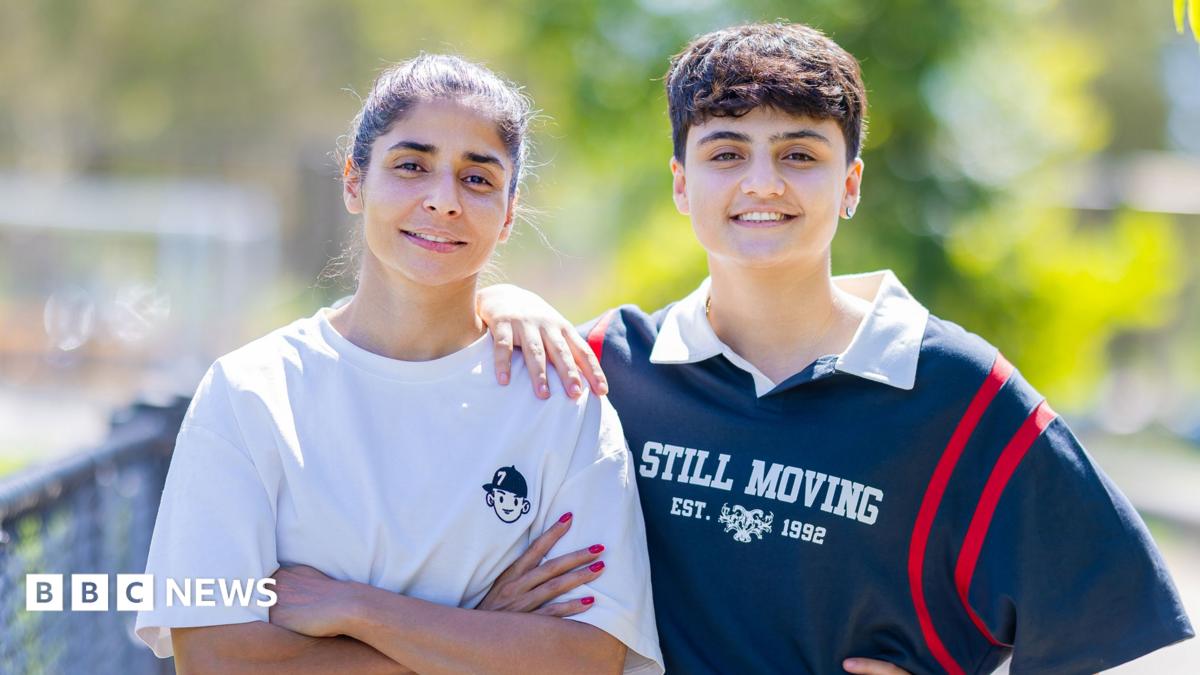
Two Iranian female footballers who publicly defied their government have become Australian citizens.
asserted
who → publish → government
Atefeh Ramezanisadeh, 34, and Fatemeh Pasandideh, 22, were naturalised in Brisbane, Queensland, on Wednesday.
asserted
Ramezanisadeh → naturalise → Wednesday
Ramezanisadeh said it was a "truly special and unforgettable day", while her teammate said "this moment means more than words can express".
asserted
words → say → more
They were among seven members of Iran's national team to be granted humanitarian visas while in Australia for the Women's Asian Cup in March - but the other five changed their minds and returned home.
asserted
five → grant → minds
It was feared the team would face repercussions for refusing to sing the Iranian anthem at their opening match, just days after the US-Israeli war against Iran began.
asserted
war → fear → Iran
Under pressure from the Iranian community in Australia, authorities initially gave the players a chance to seek asylum – in the end though, only Ramezanisadeh and Pasandideh took up the offer.
asserted
Ramezanisadeh → give → offer
There was never any question about whether both would become citizens, but the decision comes as the Australian government prepares to introduce tougher visa rules aimed at cutting migration.
asserted
government → be → migration
The new rules are expected to include restricting the work and appeal rights of asylum seekers and a ban on visitors applying for family visas.
asserted
rules → expect → visas
The Australian government has come under increasing pressure from political opponents that promise stricter migration policy, while refugee groups have criticised Australia's current measures, saying they put the safety of asylum seekers at risk.
asserted
they → come → risk
Ramezanisadeh and Pasandideh were given their citizenship certificates at a ceremony attended by Australian Interior Minister Tony Burke.
asserted
Ramezanisadeh → give → Burke
"It's a new beginning and a place I'm proud to call home," Pasandideh said.
asserted
Pasandideh → call → ?
Ramezanisadeh recalled "all the challenges we faced" and added that she felt "proud and deeply grateful to become an Australian citizen."
The two players have since been training with A-League Women's team Brisbane Roar, planning to continue their elite sporting careers in Australia.
asserted
players → recall → Australia
The drama around the Iranian team unfolded against the background of the war back in their home country which began on 28 February, when Israel and the US launched joint air strikes.
asserted
Israel → unfold → strikes
Concerns grew about the team's safety after footage emerged of a host on state TV calling them "traitors" who ought to be punished for their silence during the Iranian anthem on 2 March.
asserted
who → grow → March
Human rights activists have said the women who returned to Iran may have been pressured to reverse their decisions through threats against their families.
uncertain
who → say → families
Iran's sports ministry said at the time that the returnees had "defeated the enemy's plans" against them through their "national spirit and patriotism".
asserted
returnees → say → spirit
 The Aporia