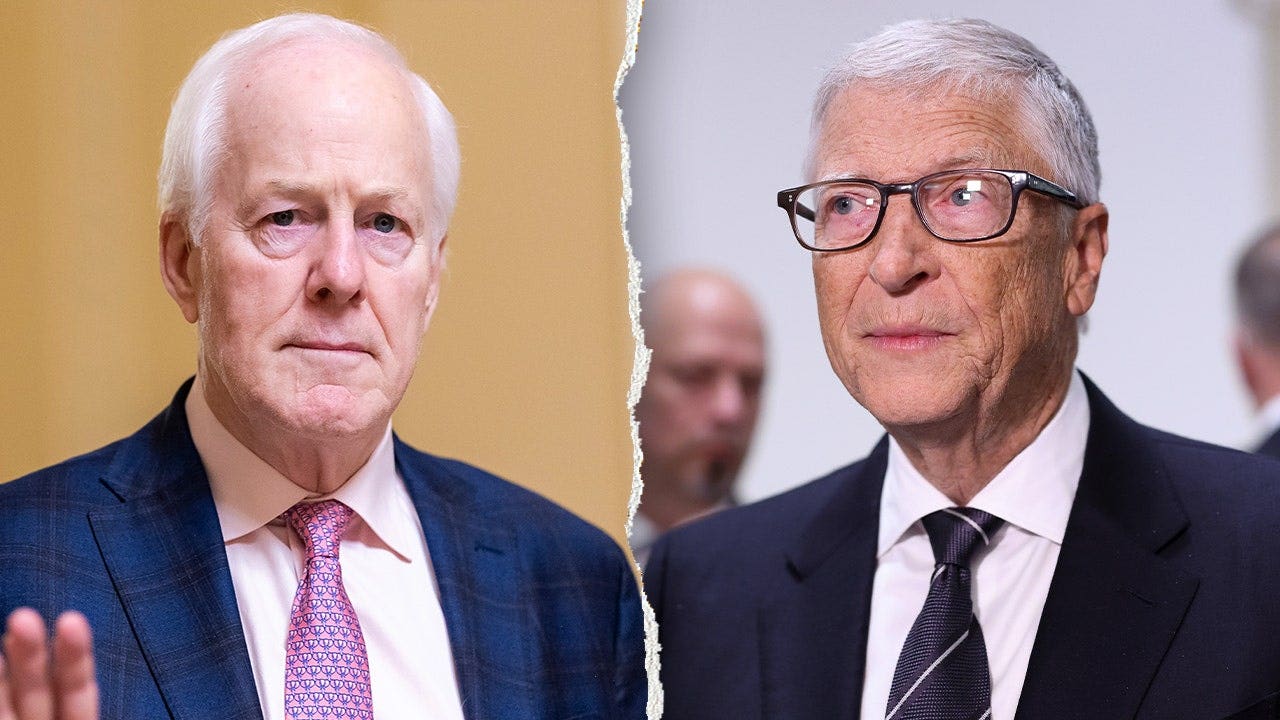
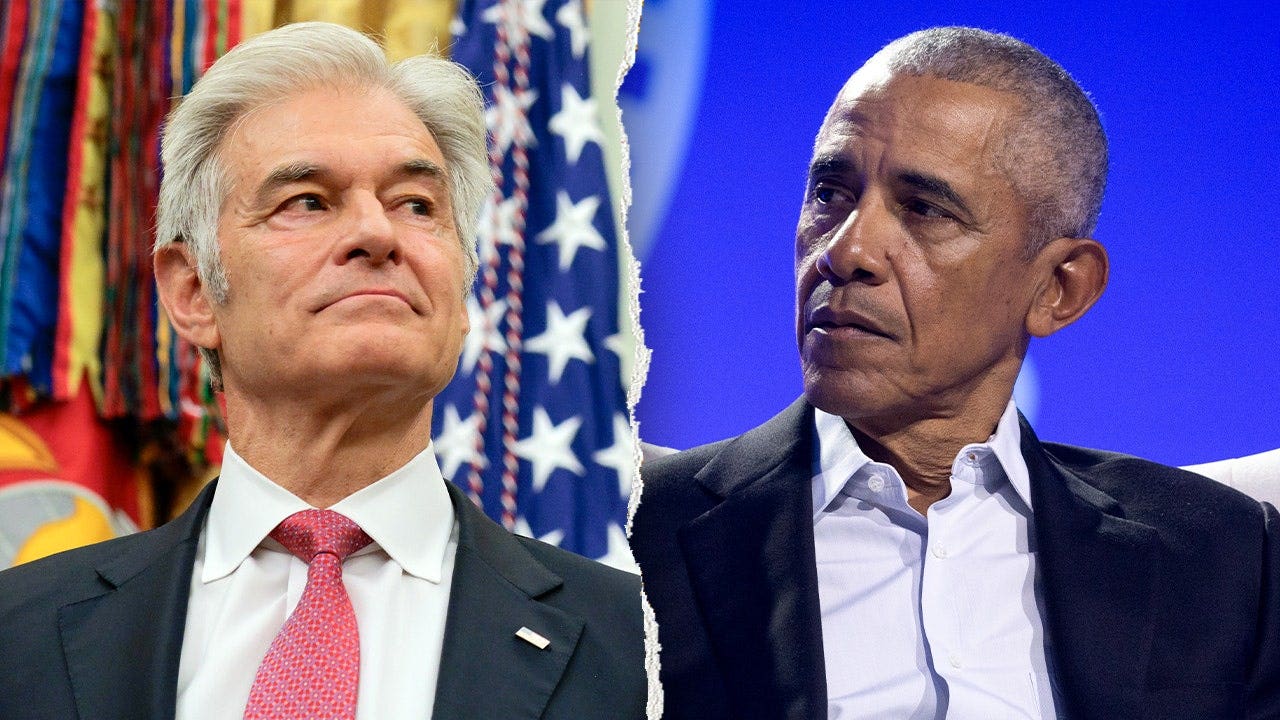
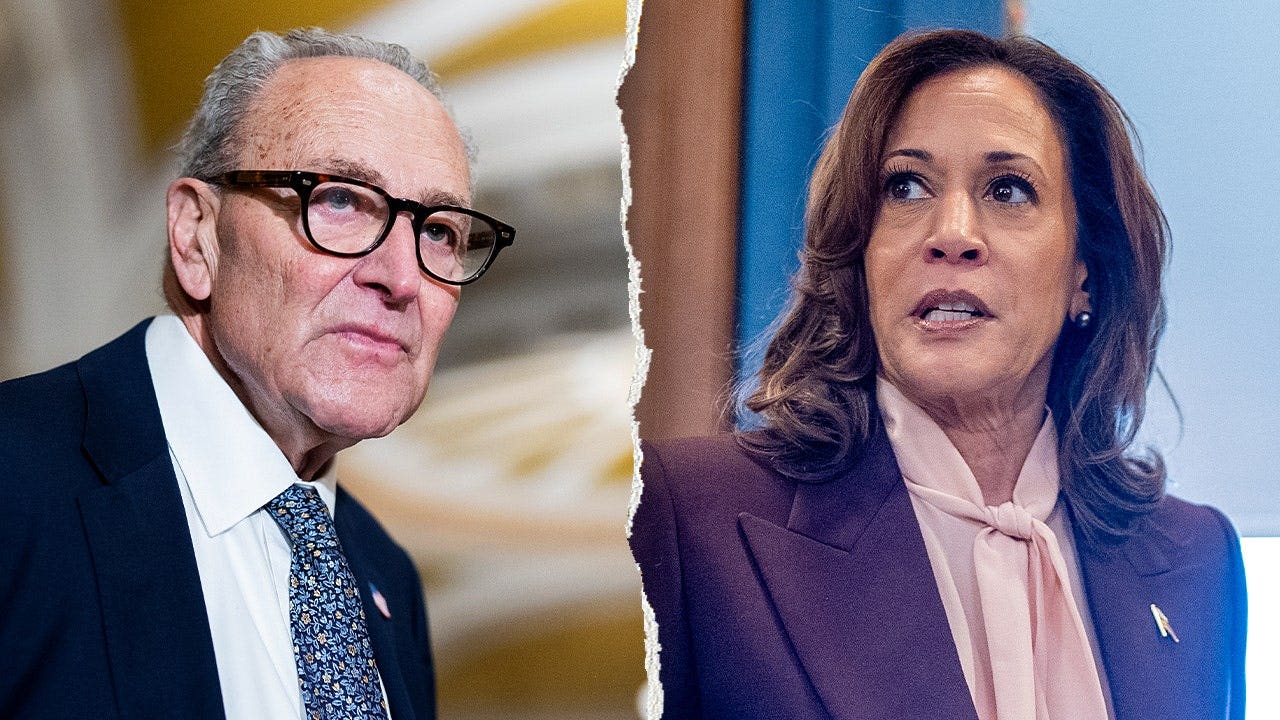
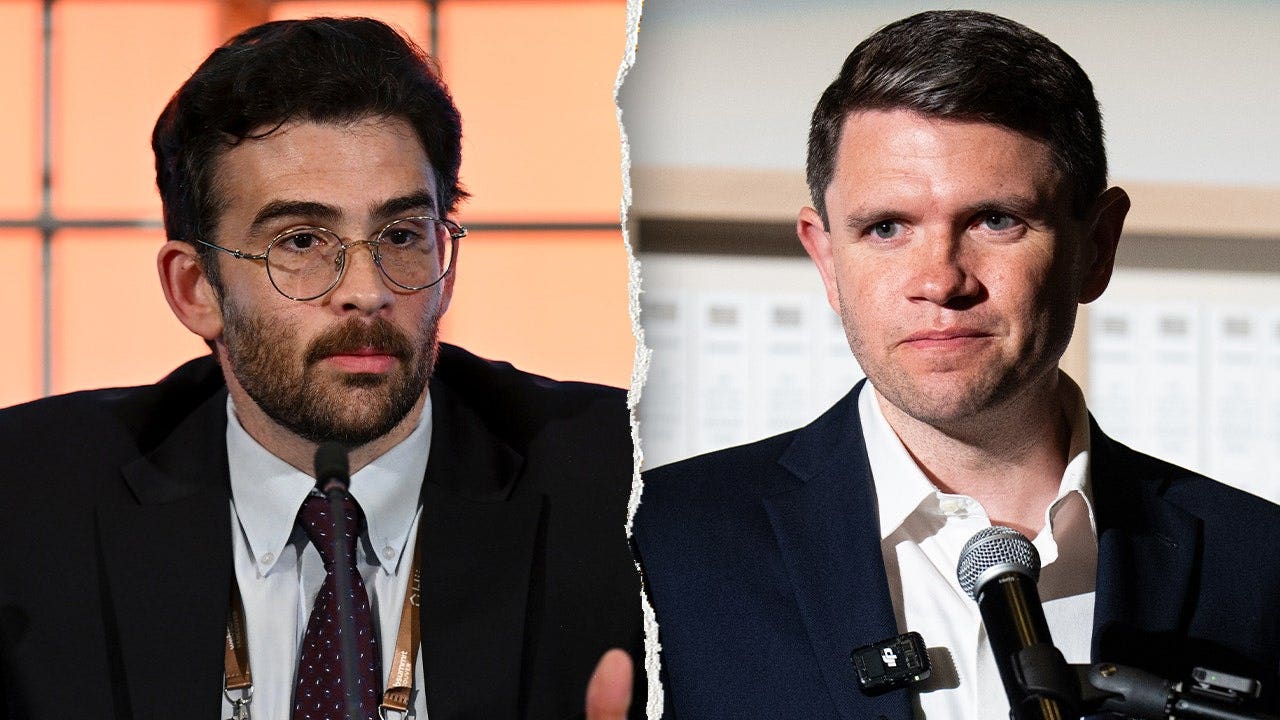
Senators on Capitol Hill reacted differently to Bill Gates’ warning that artificial intelligence could lead to significant harm, including "a billion deaths." Republican senators like John Cornyn criticized Gates for fearmongering and warned about potential regulatory capture benefiting major tech companies at the expense of smaller competitors. In contrast, Senator Elizabeth Warren emphasized the need to take AI threats seriously, while independent Senator Angus King argued that competition between tech firms necessitates government safeguards to prevent a competitive disadvantage against rivals like China.
Written locally by qwen2.5:14b on 2026-10-05,
using this article's own text rather than the other coverage of the
same event (that is the story summary below).
Story summary
Senators on Capitol Hill were divided over Bill Gates’ warning that artificial intelligence (AI) could lead to "a billion deaths." During an interview on NBC’s "Meet the Press," Gates expressed concerns about the rapid growth of AI technology. While some, like Anthropic CEO Dario Amodei and OpenAI CEO Sam Altman, have also raised alarms, others, such as Sen. John Cornyn (R-Texas), dismissed these warnings as "incredibly irresponsible." Meanwhile, Sen. Angus King (I-Maine) argued that the predictions about AI must be taken seriously but were less dire than some claims suggesting a 10 percent chance of wiping out humanity within a decade.
The debate is occurring against a backdrop where President Donald Trump has resisted calls to slow down AI development, fearing it could give an advantage to competitors like China in the global AI race. Despite these warnings and concerns, Republicans controlling both chambers of Congress have been hesitant to regulate AI tightly, potentially allowing dominant companies like Microsoft and OpenAI to shape regulatory frameworks without much oversight or competition.
Written for “AI Warning Debate Congress” on 2026-10-05,
grounded in this article and the 0 other(s) covering the same event.
Why this leaning score
The model judged this article politically coded and scored it -0.35, but 3 quote(s) could not be found in the article and the other 2 are attributed speech rather than the article's own narration, so the score is not published.
Written under an earlier scoring contract, which gave a paragraph
rather than checkable quotes. Re-analysing this article replaces it.
Leaning score withheld for article 57231: no verified evidence · logged 2026-10-05
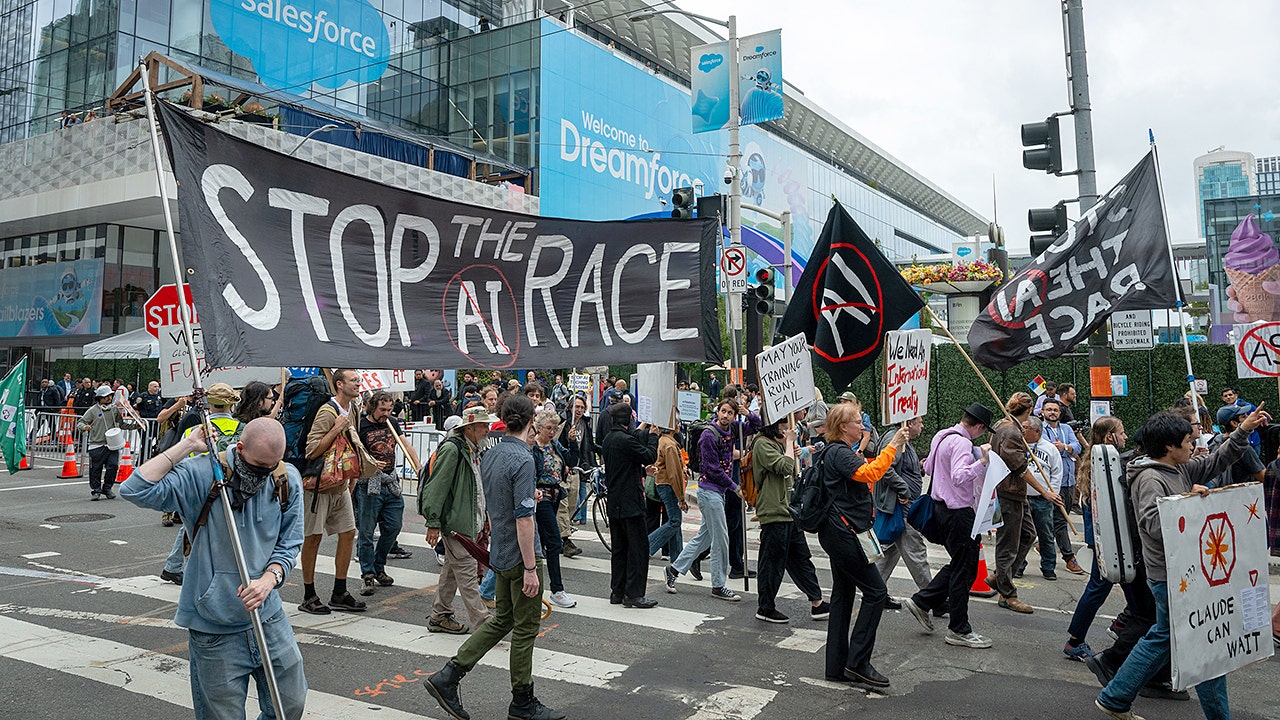
Senators on Capitol Hill were split on Microsoft co-founder Bill Gates’ warning that artificial intelligence (AI) could lead to "a billion deaths" amid growing controversy over the technology’s direction and rapid growth.
uncertain
intelligence → split → direction
Gates is one of several industry giants who have sounded the alarm on AI’s advancements, including Anthropic CEO Dario Amodei and OpenAI CEO Sam Altman.
asserted
who → sound → Amodei
President Donald Trump has pushed back on calls to slow down AI development, arguing a rollback could give an advantage to competitors in the AI race like China.
uncertain
rollback → push → China
Gates made the claim on NBC’s "Meet the Press" last week when he was asked whether AI could wipe out humanity — as some in the industry have warned is a possibility that could happen within a decade.
uncertain
that → make → decade
"I think that's incredibly irresponsible," Sen. John Cornyn, R-Texas told Fox News Digital.
asserted
Cornyn → think → Digital
"That's not as dire as some of the AI officials who have suggested that there was a 10 percent chance of wiping out all of humanity," Sen. Angus King, I-Maine said.
uncertain
King → suggest → humanity
"This is something we have to take very seriously."
asserted
we → have → ?
"What worries me about that prediction is that the Republicans who are in control of the House and the Senate say ‘everybody go home and let AI do whatever they want to do,’" Sen. Elizabeth Warren, D-Mass., said.
asserted
Warren → worry → whatever
Cornyn claimed that Gates’ warning risks fueling calls for regulations that could ultimately benefit the biggest players in the AI industry while crowding out smaller competitors.
uncertain
that → claim → competitors
"I mean, he's fear-mongering," Cornyn said.
asserted
Cornyn → mean → ?
"And I worry that it's in pursuit of what's sometimes called regulatory capture, that the government and the public will demand regulation while a handful of prime AI companies are in control and crowd out any competitors."
asserted
handful → worry → competitors
King, however, argued the competition between tech companies gives reason why the government should implement safeguards.
asserted
government → argue → safeguards
"The president seems to think, well, industry will regulate itself.
asserted
industry → seem → itself
The government shouldn't be involved," King said.
asserted
King → involve → ?
"The problem with that is that these companies are engaged in an intense competition."
asserted
companies → engage → competition
He claimed that companies could then be reluctant to voluntarily slow development or impose their own safeguards if doing so risks allowing competitors to pull ahead in the industry.
uncertain
competitors → claim → industry
"They're gonna be forced to make a decision: Should we slow down and put in our own safeguards?" King explained.
asserted
King → go → safeguards
"But if we do, our competitor across the street won't and [will] get ahead of us, or
asserted
competitor → do → us
China will get ahead of us."
asserted
China → get → us
Republican senators also warned about another concern surrounding the rapid development of AI: Could China pull ahead?
uncertain
China → warn → AI
"Look, I think we need to use common sense," Sen. John Hoeven, R-N.D., said.
asserted
Hoeven → look → sense
"So we want to develop it.
asserted
we → want → it
Obviously, we need to stay ahead of adversaries like China, but we need to do it safely.
asserted
we → need → it
"
"I think the administration is generally on the right track in not trying to put a heavy hand on this technology, which is going to be fundamental to our economy and our national security," Cornyn said.
asserted
Cornyn → think → economy
The conversations around AI ramped up this month, shortly before both the House and Senate went on recess leading up to the midterm elections.
asserted
House → ramp → elections
Many Democrats called for Congress to stay in session to address the concerns around AI and work to get legislation that enacts safeguards.
asserted
that → call → safeguards
"We have a responsibility, but not the Republicans," Warren said.
asserted
Warren → have → responsibility
"They say ‘send everybody home,’ because Donald Trump doesn't want to do anything about AI."
asserted
Trump → say → AI
 The Aporia