French high schools saw widespread protests on Monday with up to 500 out of 3,700 schools partially or fully closed due to student dissatisfaction over learning conditions. The grievances include teacher shortages and inadequate school infrastructure. Since late September, students have been protesting outside their schools, sometimes leading to vandalism and violence, resulting in over 5,000 arrests, mostly minors. Prime Minister Sebastien Lecornu called for local authorities to address staffing gaps and improve school facilities, while the government aims to pass a bill making those responsible for damaging public property pay for repairs themselves.
Written locally by qwen2.5:14b on 2026-10-05,
using this article's own text rather than the other coverage of the
same event (that is the story summary below).
Lessons were suspended at hundreds of French high schools on Monday, as part of a wave of student protest over learning conditions that have rocked the European nation.
asserted
that → suspend → nation
Students trickled into some schools despite ongoing protests outside their gates, ahead of a day of larger demonstrations expected on Tuesday.
asserted
Students → trickle → Tuesday
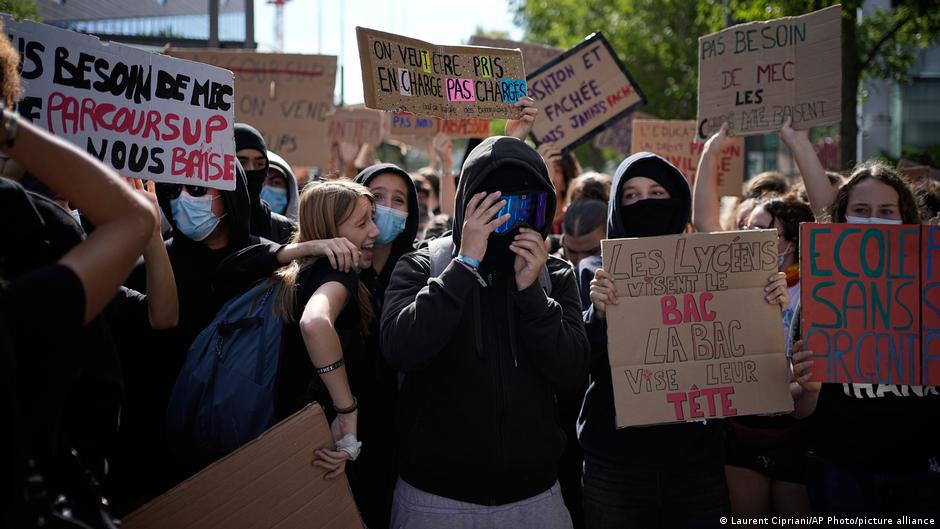
Since late September, pupils have barred the entrances to their schools, complaining of teacher absences, overloaded timetables, dilapidated classrooms and buildings ill-adapted to rising temperatures, among other grievances.
asserted
pupils → bar → grievances
The government has sought to address the grievances, while accusing hard-left activists of having hijacked the protest movement.
asserted
government → seek → movement
Up to 500 out of France’s 3,700 high schools, known as lycees, were expected to be partially or totally closed on Monday, Education Minister Edouard Geffray said late Sunday.
asserted
Geffray → know → Monday
A third of the 468 lycees for teenagers aged 15 to 17 were to be closed in the Paris region, authorities said.
asserted
authorities → close → region
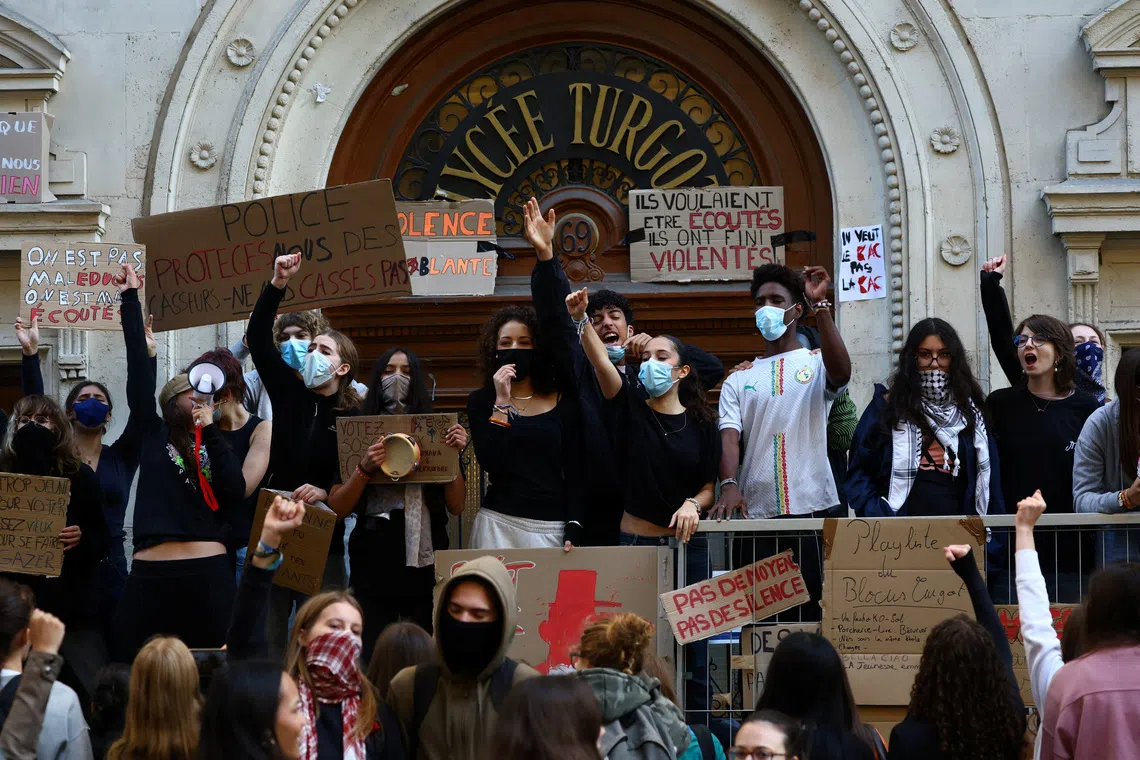
In the capital’s central third district on Monday morning, dozens of teenage students chanted in protest, as cars honked their horns in support while driving past, while others made their way into class.
asserted
others → chant → class
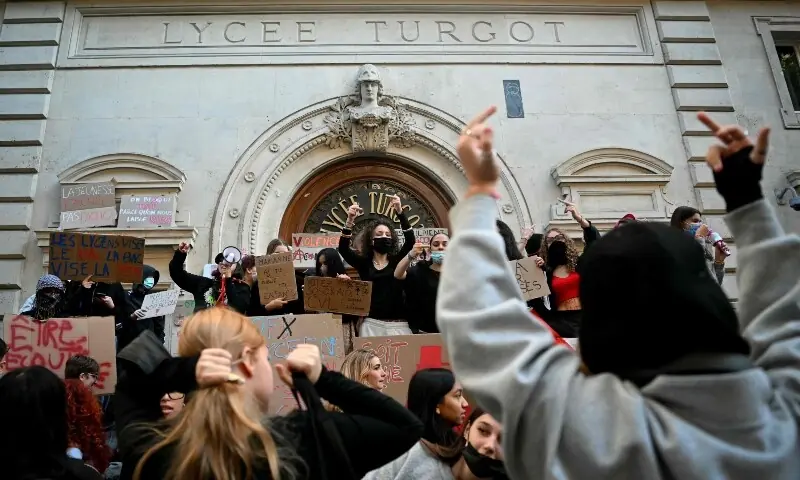
“No means, no silence,” read one cardboard sign outside the Turgot high school.
asserted
sign → read → school
“We’re missing our lessons to give you one,” read another.
asserted
another → miss → one
In the western city of Rennes, more than 20 pupils gathered outside the Montaigne lycee, one clutching a sign that read “Not enough teachers”, but staff allowed other students into their classrooms.
asserted
staff → gather → classrooms
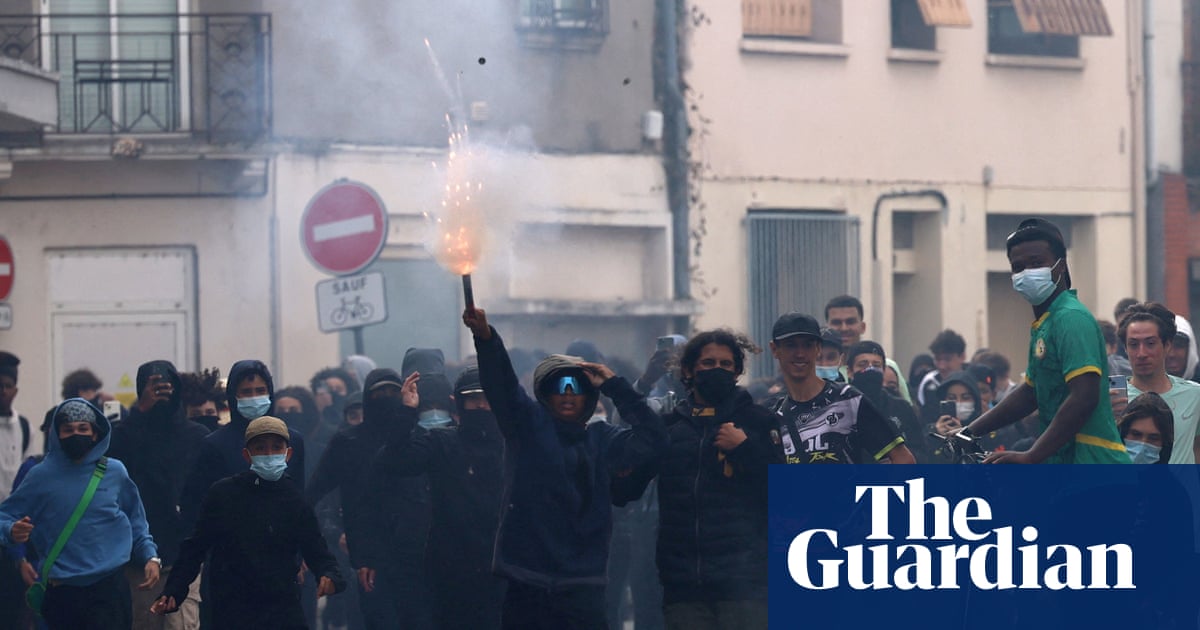
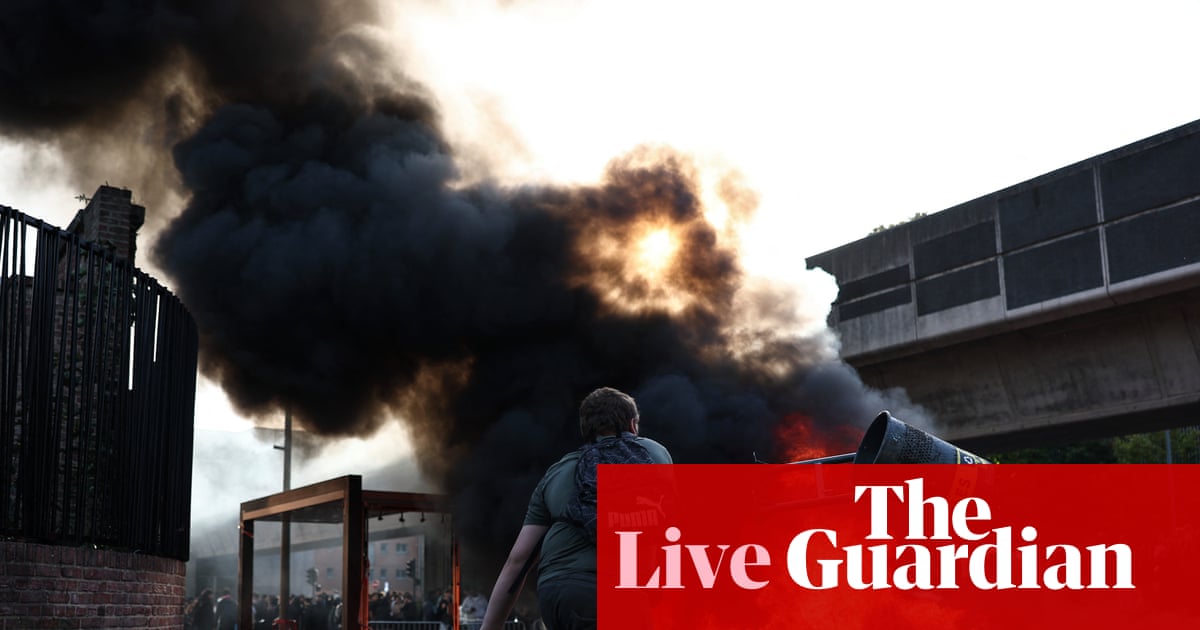
In the northern city of Lille, masked protesters destroyed bus shelters or set fire to dustbins, as police fired teargas towards several hundred demonstrators.
asserted
police → destroy → demonstrators
The movement started on September 17 at a high school in the Paris suburb of Creteil, in support of teachers striking over a lack of staff and resources.
asserted
movement → start → staff
It gained momentum and spread across France, at times spiralling into vandalism, including the destruction of bus shelters, the burning of school entrances and clashes between protesters and security forces.
asserted
It → gain → protesters
Since the start of the movement, 24 schools had been “burned or ransacked”, according to the education minister.
uncertain
schools → burn → minister
More than 5,000 people, 85 percent of them minors, have been arrested.
asserted
percent → arrest → them
Protesters have also accused the police of using disproportionate force, and internal investigations have been opened into at least three instances of alleged police brutality.
asserted
investigations → accuse → brutality
Prime Minister Sebastien Lecornu set out a timetable on Sunday urging local authorities to prioritise filling gaps left by long-term teacher absences and unfilled posts.
asserted
Lecornu → set → absences
He called a meeting for Tuesday with regional presidents to discuss overhauling the country’s often-dilapidated school buildings.
asserted
He → call → buildings
The government is also hoping to pass through parliament a bill to make those who are responsible for damaging public property pay for repairs themselves, instead of drawing from taxpayer money.
asserted
who → hop → money
Government spokeswoman Maud Bregeon defended the bill.
asserted
Bregeon → defend → bill
“When you have 14-, 15-, 16-year-olds who, at 9 am, are burning bus shelters or – perhaps even more seriously – the high school where they study, that raises the question of parental responsibility,” she told Europe1/Cnews broadcaster.
asserted
she → have → broadcaster
Lecornu has said the draft law, first presented before the protests, would allow these sums to be “taken from family allowances and housing benefits, while ensuring a minimum income is preserved”.
asserted
income → say → allowances
The head of the main CGT labour union, Sophie Binet, slammed what she called a “populist announcement”, which she said would “end up targeting the most vulnerable families”.
asserted
she → slam → families
 The Aporia