That is 0 articles you have read today.
The Aporia is free and carries no advertising, so readers are the only
thing paying for it. If you are getting this much out of it, a small
donation is what keeps it independent.
Daily limit reached
You have read 0 articles today.
That is more than the 15 a day The Aporia gives away,
and well past what it can carry on nothing. Your allowance resets at
midnight.
There is no advertising here and nothing about you is sold, so readers
are the only thing paying for it. If the site is worth this much of
your day, it is worth a few dollars.
Everything else stays open: the
maps, the
directory and
search do
not count against this, and neither does re-opening something you have
already read today.
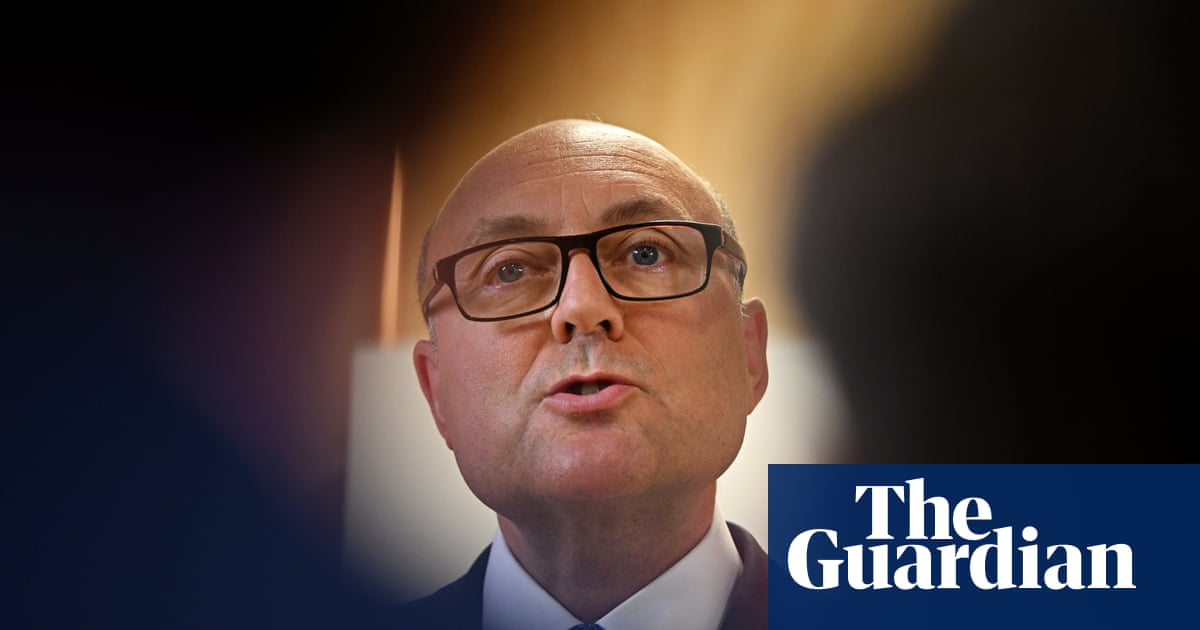
Andrew Griffith, the Conservative Party's shadow chancellor, acknowledged that if the Tories return to power, they won't immediately reduce inheritance tax due to current fiscal constraints. Griffith expressed concern over Labour’s management of public finances and high borrowing costs. Meanwhile, party leader Kemi Badenoch has hinted at potential changes to inheritance tax but emphasized the need for fiscal responsibility before making such cuts.
Written locally by qwen2.5:14b on 2026-10-05,
using this article's own text rather than the other coverage of the
same event (that is the story summary below).
Story summary
Andrew Griffith, the shadow chancellor for the Tories, appeared to admit during a conference in Birmingham that his party won't be able to immediately slash inheritance tax if they return to power. Griffith said he would only fund tax cuts or spending commitments when he could "set out precisely how things can be paid for." This comes as Tory leader Kemi Badenoch has hinted at cutting the inheritance tax, which is currently levied on estates worth more than £325,000, describing it as morally right to avoid taxing Britons twice when they leave something for their children. Griffith also expressed fears that the current Labour Government would hand over public finances that are "the worst in history," amid soaring borrowing costs. Badenoch indicated she was open to changes to the tax but only if such moves were fiscally responsible.
Written for “UK Inheritance Tax Policy Debate” on 2026-10-05,
grounded in this article and the 0 other(s) covering the same event.
Why this leaning score
The model judged this article politically coded and scored it -0.35, but all 2 of its quote(s) are attributed speech - words the article quotes from someone, not the article's own narration, so the score is not published.
Written under an earlier scoring contract, which gave a paragraph
rather than checkable quotes. Re-analysing this article replaces it.
Leaning score withheld for article 57125: attributed speech only · logged 2026-10-05
The Tories won't be able to slash inheritance tax immediately if they return to power, the party's shadow chancellor appeared to admit today.
asserted
chancellor → slash → power
Andrew Griffith said he would only fund tax cuts or spending commitments when he could 'set out precisely... how things can be paid for'.
uncertain
things → say → cuts
He expressed fears that the current Labour Government would hand over public finances that are 'the worst in history' amid soaring borrowing costs.
asserted
that → express → costs
At the start of the Tories' conference in Birmingham this week, party leader Kemi Badenoch has dropped big hints at a pledge to slash inheritance tax.
asserted
Badenoch → drop → tax
She suggested cutting death duties would be 'morally right' as she hit out at Britons being 'taxed twice' when leaving something for their children.
uncertain
Britons → suggest → children
Mrs Badenoch indicated she was open to changes to the levy, paid on most estates worth more than £325,000, but only if it were fiscally responsible.
asserted
it → indicate → estates
Andrew Griffith said he would only fund tax cuts or spending commitments when he could 'set out precisely... how things can be paid for'
uncertain
things → say → cuts
Asked whether he was resisting pressure from Mrs Badenoch to abolish the duty entirely, Mr Griffith told Sky News on Monday: 'Look, there's lots of things that we would like to do, but the job of chancellor is to make sure that those can be paid for.
asserted
those → ask → chancellor
And my commitment to your viewers is, any time that we talk about either tax or spend, we will set out precisely as I'll be doing today about how things can be paid for.
asserted
things → talk → tax
'So, of course, we'd like to ultimately remove inheritance tax.
asserted
we → like → tax
That's something both Kemi and I are on record as saying.
asserted
Kemi → say → record
'It undermines people's incentives to work hard to save to try and pass things on to their family.
asserted
It → undermine → family
But we will inherit public finances that are the worst in history.
asserted
that → inherit → history
The level of debt, the tax burden that people are paying, the fact that the Government right now is paying a 28-year high in the interest on the cost of its borrowing, and that will impact everybody in terms of their mortgage rates going forward.
asserted
Government → pay → rates
'So we're going to have a very difficult situation.
asserted
we → go → situation
We won't be able to do everything that we want to do on day one.'
asserted
we → do → day
Inheritance tax is seen as a charge on aspiration, even though most families do not pay it.
asserted
families → see → it
The 40 per cent levy applies to estates worth more than £325,000, but for most married couples the rate is effectively £1million due to allowances being transferrable and relief on £350,000 of the value of a primary home being handed down.
asserted
allowances → apply → home
Speaking to the Sunday Times ahead of the Tory conference, Mrs Badenoch was asked if she planned to abolish the tax.
asserted
she → speak → tax
She replied: 'It is morally right that people don't get taxed twice.
asserted
people → reply → ?
It is morally right that if you work hard and want to give something to your children the Government doesn't take it away.'
asserted
Government → work → it
Mrs Badenoch later added: 'I am not going to announce tax cuts unless we can show how we pay for them…
asserted
we → add → them
tax cuts are a good thing but you've got to be fiscally responsible.'
asserted
you → get → ?
 The Aporia