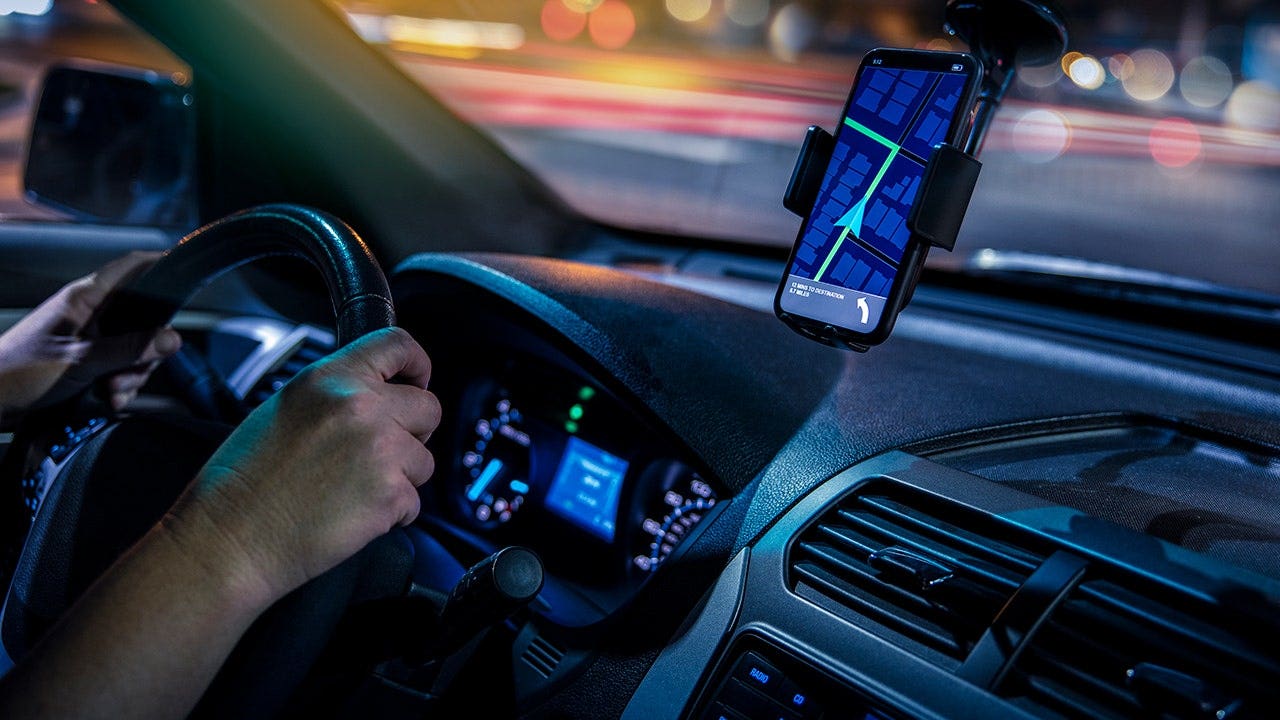
A woman in New Jersey reported an unsettling experience while riding in an Uber at around 3 a.m., where her driver stopped unexpectedly to charge his electric vehicle and then missed her exit, raising concerns about her safety. She ended the trip and contacted police after feeling uneasy. Uber responded by stating they investigated the incident and took action, emphasizing their commitment to passenger safety through app features like emergency buttons and GPS tracking. The story highlights broader issues regarding how passengers can ensure their safety during rideshare trips late at night.
Written locally by qwen2.5:14b on 2026-10-05,
using this article's own text rather than the other coverage of the
same event (that is the story summary below).
A late-night ride experience is raising questions about what passengers should do when a routine trip begins to feel uncomfortable.
asserted
trip → raise → what
In a recent TikTok video, a woman said she was riding in an Uber at around 3 a.m. when her driver asked to stop at a parking garage for 15 to 20 minutes to charge his electric vehicle.
asserted
driver → say → vehicle
The woman, according to her video, said the vehicle was at 43% charge — and that she was about 25 minutes from home at the time.
uncertain
she → accord → time
Her concern grew after the driver reportedly missed an exit, prompting her to question exactly where they were headed.
uncertain
they → grow → her
“I don’t want to get into a random parking lot with you,” the woman can be heard telling the driver.
asserted
woman → want → driver
“You also just missed the exit.”
asserted
You → miss → exit
Fox News Digital reached out to the woman who posted the TikTok video for additional details.
asserted
who → reach → details
The woman ultimately ended the trip and contacted police, according to the video.
uncertain
woman → end → video
In a statement, Uber told Fox News Digital that it investigated the report and took action.
asserted
it → tell → action
“Everyone deserves to feel safe and comfortable when using the Uber platform,” an Uber spokesperson said.
asserted
spokesperson → deserve → platform
“We have investigated this report and taken appropriate action.”
The company pointed to safety features available through its app, including an emergency button, GPS tracking and the ability to share trip details with others.
asserted
company → investigate → others
The incident has raised broader questions about what passengers can do if they feel uneasy during a rideshare trip.
asserted
they → raise → trip
Dillon Abend, a recent college graduate and the founder and CEO of rideshare safety app 3rd-i, based in New Jersey, told Fox News Digital that an unexpected change in route can quickly raise concerns, particularly for someone traveling alone late at night.
asserted
change → base → night
“Your heart just drops,” he said.
asserted
he → drop → ?
Abend said he’s heard from hundreds of college students about situations that left them feeling uncomfortable during various rideshare trips.
asserted
that → say → trips
For passengers who begin feeling uncomfortable, seeking help can be challenging.
asserted
seeking → begin → help
“Almost everyone’s reasoning in this situation is, ‘I didn’t want the driver three feet away to hear me call the police and have them act,'” Abend said.
asserted
Abend → want → police
Technology can provide passengers with additional ways to stay connected or seek help during a ride-hailing trip, according to Abend.
uncertain
Technology → provide → Abend
“Ideally, you want to share your location with people,” he said.
asserted
he → want → people
“Let a core group of three to five people know where you’re going and the details of it.”
Before getting into a vehicle, check the license plate and confirm that the driver and vehicle match the information displayed in the rideshare app
asserted
driver → let → app
, he advised.
asserted
he → advise → ?
New Jersey-based Seymour Josephson, co-president of the What’s My Name Foundation, has been working with Uber and Lyft since July 2020 to promote rideshare safety on college campuses.
asserted
Josephson → base → campuses
He and his wife, Marci Josephson, established the foundation after their 21-year-old daughter, Samantha, was killed on March 29, 2019, when she mistakenly entered a vehicle she thought was the Uber she had hailed.
asserted
she → establish → vehicle
The What’s My Name Foundation encourages passengers to follow four steps before entering a ride-hailed vehicle: stop, ask, match and inform — known as the “SAMI” steps.
asserted
Foundation → ’ → steps
People should stop before they enter the vehicle, ask the driver, “What’s my name?” and match the vehicle’s license plate with the information provided in the app.
Fox News Digital reached out to Lyft for comment and details.
asserted
Digital → enter → comment
“We want to make sure that we’re not just getting into a car, but we’re getting into the right car, the right Uber,” Josephson said.
asserted
Josephson → want → car
Seymour Josephson said he is not looking to discourage people from using rideshare services, but to make the experience safer for everyone — both rider and driver.
asserted
experience → say → everyone
“We also helped bring forward the four-digit PIN with Uber and now Lyft,” Seymour Josephson said.
asserted
Josephson → help → Uber
“All it is,” he continued, “is a two-step authentication.
asserted
he → continue → ?
And it’s securing that it is your ride by giving that pin to the driver before you get in.
asserted
you → secure → driver
 The Aporia