That is 0 articles you have read today.
The Aporia is free and carries no advertising, so readers are the only
thing paying for it. If you are getting this much out of it, a small
donation is what keeps it independent.
Daily limit reached
You have read 0 articles today.
That is more than the 15 a day The Aporia gives away,
and well past what it can carry on nothing. Your allowance resets at
midnight.
There is no advertising here and nothing about you is sold, so readers
are the only thing paying for it. If the site is worth this much of
your day, it is worth a few dollars.
Everything else stays open: the
maps, the
directory and
search do
not count against this, and neither does re-opening something you have
already read today.
UN climate chief Simon Stiell will warn at the pre-COP summit in Nadi, Fiji, that extreme heat is increasingly endangering pregnant women and newborns across five continents. According to a survey of 1000 health professionals conducted by the Wellcome charitable foundation, over two-thirds have observed complications linked to intense heat within the past five years, including premature birth, stillbirth, low birth weight, and maternal health issues. Stiell emphasizes that climate-driven extreme heat poses a growing threat during pregnancy, urging leaders to take action against this emerging crisis.
Written locally by qwen2.5:14b on 2026-10-05,
using this article's own text rather than the other coverage of the
same event (that is the story summary below).
Story summary
On October 5, United Nations climate chief Simon Stiell will warn at a summit in Nadi, Fiji that extreme heat is posing severe risks to pregnant women and newborns. According to a recent survey, more than two-thirds of health professionals across five continents have observed complications from intense heat over the past five years. Stiell emphasizes that rising temperatures are directly correlating with increased dangers during pregnancy, including premature births, stillbirths, low birth weights, and maternal health issues. He underscores that extreme heat is creating a new faultline in the global climate crisis, potentially leading to fatal outcomes if not addressed urgently. Scientists highlight that climate change intensifies weather events, contributing to more frequent heat records breaking worldwide.
Written for “Heat Risk For Pregnant Women Newborns” on 2026-10-05,
grounded in this article and the 0 other(s) covering the same event.
Why this leaning score
The model judged this article politically coded and scored it -0.50, but 2 quote(s) could not be found in the article and the other 1 are attributed speech rather than the article's own narration, so the score is not published.
Written under an earlier scoring contract, which gave a paragraph
rather than checkable quotes. Re-analysing this article replaces it.
Leaning score withheld for article 56369: no verified evidence · logged 2026-10-05
Extreme heat putting pregnant women, newborns at risk: UN climate chief
asserted
heat → put → risk
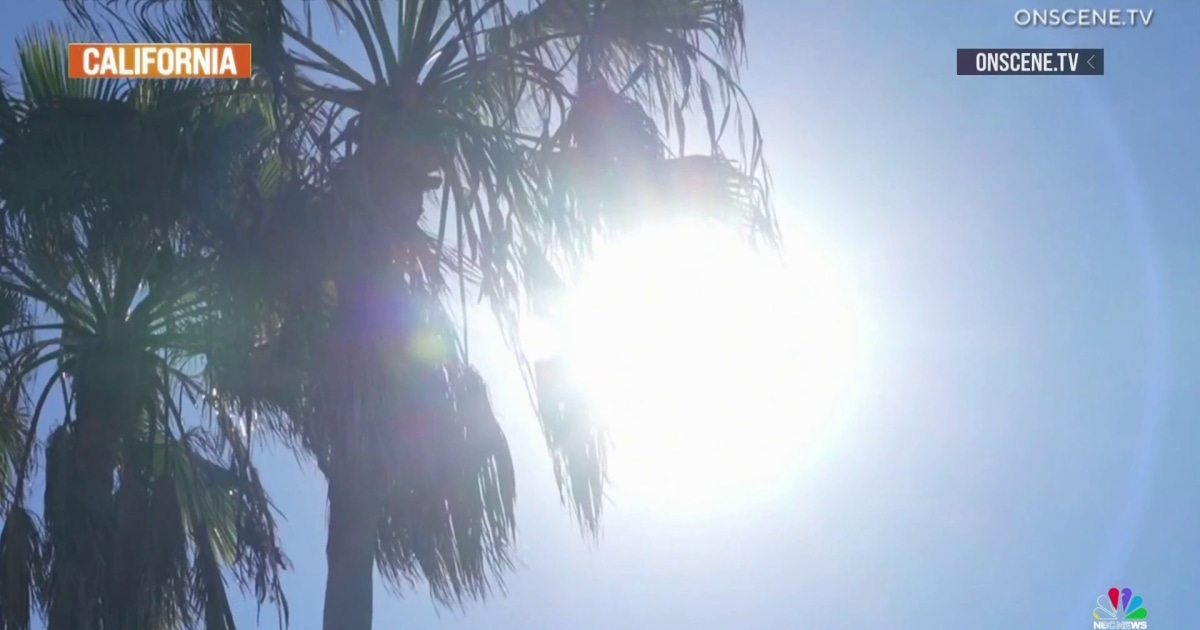
Extreme heat is putting pregnant mothers and their newborns at increasing risk, United Nations climate chief Simon Stiell will warn on Oct 5.
asserted
Stiell → put → Oct
Speaking at the “pre-COP” summit in Nadi, Fiji, Stiell will cite a new survey showing more than two thirds of health professionals across five continents had seen complications caused by intense heat in the past five years.
asserted
thirds → speak → years
“Rising temperatures mean rising danger in pregnancy,” he is expected to say.
asserted
he → rise → pregnancy
“Climate-driven extreme heat during pregnancy is increasingly linked to premature birth, stillbirth, low birth weight, and maternal complications.”
asserted
heat → drive → birth
“The picture is clear and very disturbing: as extreme heat worsens, pregnancy and birth are now a new faultline in the global climate crisis, and one which is potentially fatal,” Stiell will say.
“This faultline must not become another deep chasm of climate-driven suffering, inequality and injustice.”
asserted
faultline → worsen → suffering
Scientists warn that climate change is making extreme weather events more intense and resulting in heat records tumbling more often.
asserted
records → warn → ?
Around 33 countries, spanning from western Europe to the Sahel and central America, recorded their hottest July in 2026 since records began, according to AFP analysis of data from the European Union’s Copernicus climate observatory.
uncertain
records → span → observatory
The survey of 1000 midwives and doctors in the United Kingdom, Australia, India, Brazil and Zimbabwe was commissioned by charitable foundation Wellcome.
asserted
survey → commission → Wellcome
Its chairwoman – Australian former Prime Minister Julia Gillard – said in a statement that mothers and babies are being put at increasing risk as a result of climate change.
“Extreme heat is an invisible killer, but pregnant women must not be invisible.
asserted
women → say → change
Leaders have the evidence and solutions they need – now they must act,” Gillard said.
asserted
Gillard → have → evidence
The survey found nearly all midwives and doctors had cared for mothers or babies suffering the effects of extreme heat.
asserted
midwives → find → heat
About a third of respondents said they had seen cases of low birth weight or restricted growth, feeding difficulties, and dehydration or heat-related illness, all resulting from what they believed was extreme heat.
asserted
they → say → weight
Stiell will tell pre-COP delegates that “pregnancy should be a time of hope”.
asserted
pregnancy → tell → hope
“But for millions, it is becoming a time of anxiety, as climate impacts fill everyday life with risk.”
asserted
impacts → become → risk
The pre-COP31 summit in Fiji and the remote coral atoll Tuvalu is seen by Pacific leaders as a chance to draw attention to life on the frontline of climate change.
asserted
summit → see → change
They are a precursor to the larger UN-sponsored global climate summit – known as COP31 – to be held in November in Turkey.
asserted
They → sponsor → Turkey
 The Aporia