That is 0 articles you have read today.
The Aporia is free and carries no advertising, so readers are the only
thing paying for it. If you are getting this much out of it, a small
donation is what keeps it independent.
Daily limit reached
You have read 0 articles today.
That is more than the 15 a day The Aporia gives away,
and well past what it can carry on nothing. Your allowance resets at
midnight.
There is no advertising here and nothing about you is sold, so readers
are the only thing paying for it. If the site is worth this much of
your day, it is worth a few dollars.
Everything else stays open: the
maps, the
directory and
search do
not count against this, and neither does re-opening something you have
already read today.
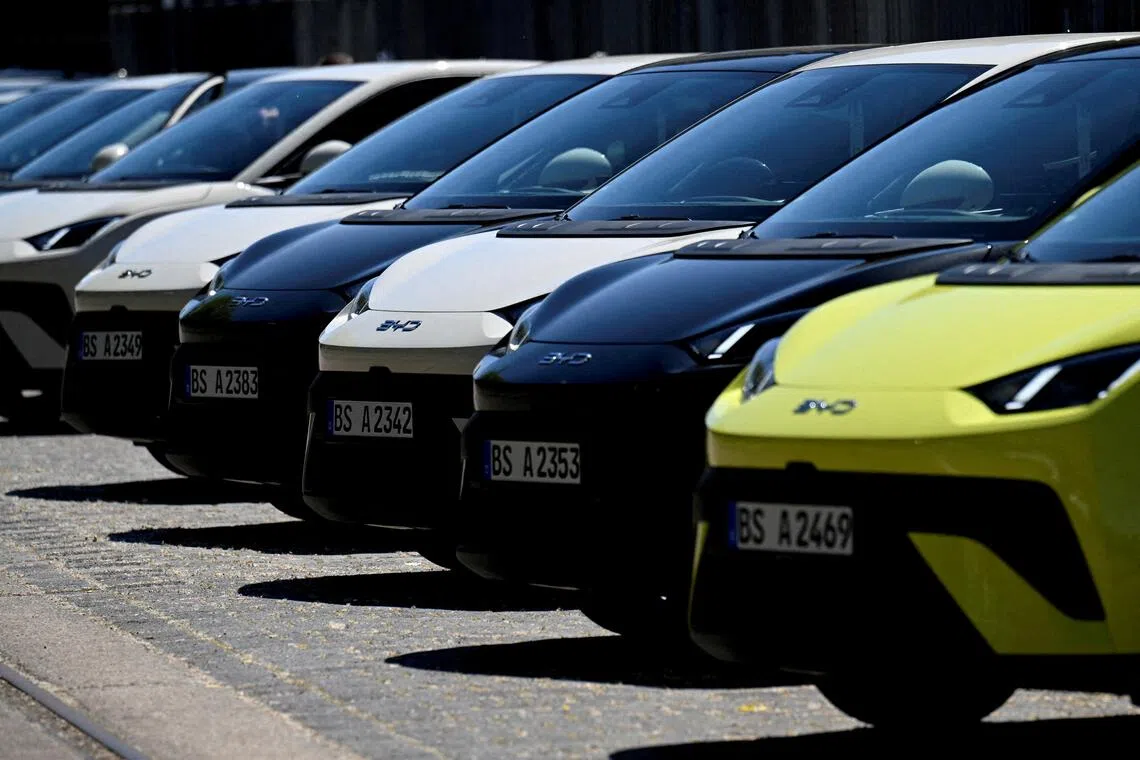
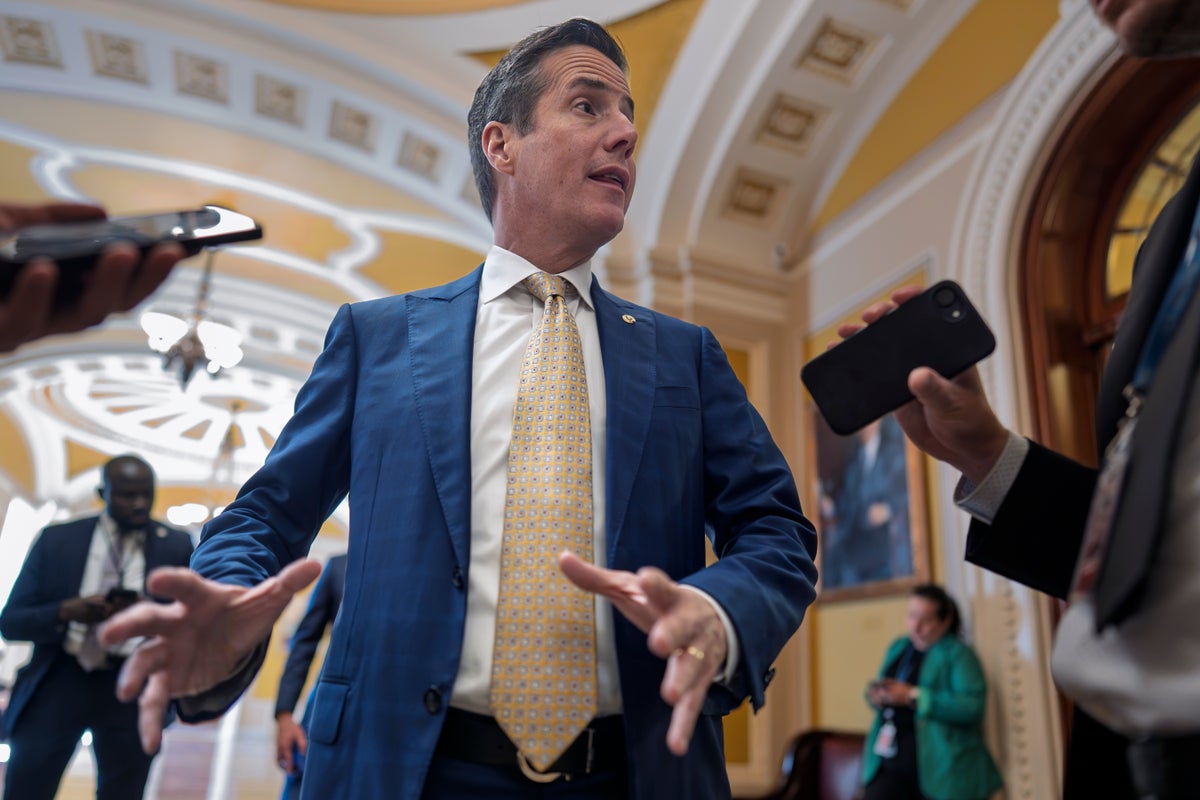
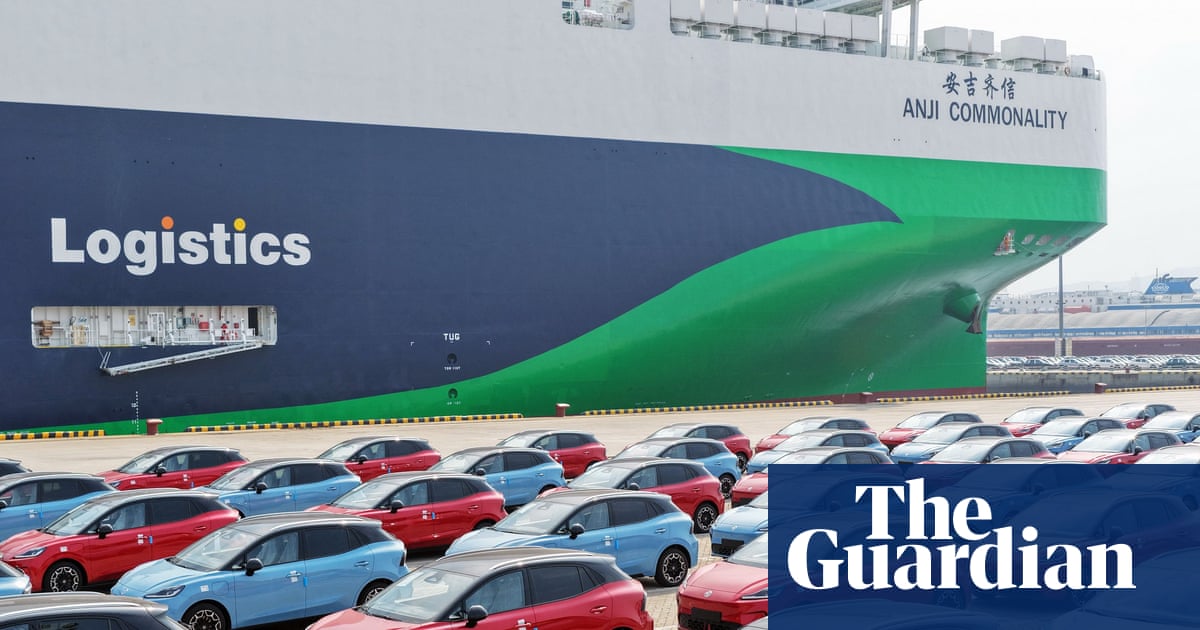
The British government is reportedly considering imposing tariffs on electric vehicles imported from China due to concerns of market flooding with state-subsidized cars. Business minister Jonathan Reynolds is working on a tariff package, potentially mirroring the 45% rate set by the European Union. The move aims to protect UK industry interests and its position within EU trade policies while avoiding barriers under the EU’s “Made in Europe” initiative, which seeks to reduce dependence on Chinese components.
Written locally by qwen2.5:14b on 2026-10-05,
using this article's own text rather than the other coverage of the
same event (that is the story summary below).
Story summary
Britain is considering imposing tariffs on electric vehicles imported from China due to concerns about state-subsidized "dumping" of cars into the market. Jonathan Reynolds, a business minister, is developing potential tariff packages based on these worries. The move aims to mirror the European Union's existing 45% tariff on Chinese EVs to align with EU policies and protect British companies involved in the automotive sector. This comes as part of the EU’s “Made in Europe” initiative, which seeks to decrease reliance on Chinese components by favoring locally produced goods, potentially impacting UK firms supplying parts to European manufacturing chains and selling vehicles across the bloc. However, a spokesperson from the British government stated that no tariffs have been imposed yet, emphasizing ongoing engagement with industry stakeholders to ensure the approach aligns with national interests.
Written for “UK Tariffs On Chinese Cars” on 2026-10-05,
grounded in this article and the 0 other(s) covering the same event.
Why this leaning score
The article's own words the score was based on. Each is quoted
verbatim and was checked against the article text before being
stored, so you can find it in the original.
Leaning: leans right for article 56329 (high confidence, 2 verified quotes) · logged 2026-10-05
Claims extracted
11
claim-shaped sentences
Uncertain
36%
4 of 11 hedged
Leaning
Leans right
of the writing, not the subject · beta estimate
Correction & hedging signals
59.1
corrections and hedging in what we collected;
not a measure of accuracy
Outlets on this story
1
Politics
Narrative spread
1
articles carrying this framing
Britain set to levy tariffs on Chinese electric cars: Report
AI generated
asserted
Britain → levy → cars
Britain is considering imposing tariffs on Chinese electric vehicle imports amid concerns that Beijing is flooding the market with state-subsidised cars, the Times newspaper reported on Oct 4.
asserted
newspaper → consider → Oct
Business minister Jonathan Reynolds is drawing up a package of potential tariffs on Chinese vehicle imports, the report said, citing concerns that Chinese manufacturers are “dumping” subsidised vehicles into Britain.
asserted
manufacturers → draw → Britain
Reuters could not immediately verify the report.
uncertain
Reuters → verify → report
Asked to comment, a spokesperson from the British government told Reuters no tariffs have been imposed on Chinese EVs.
asserted
tariffs → ask → EVs
“We continue to engage closely with industry so that our approach reflects the sector’s and UK’s national interests,” the spokesperson said in an e-mail.
asserted
spokesperson → continue → mail
British ministers are ready to match the European Union’s 45% levy on Chinese electric cars, the Times said, to avoid the pain of “Made in Europe” proposals, which could impact UK companies selling into the EU.
uncertain
which → match → EU
The EU’s “Made in Europe” policy is aimed at reducing reliance on Chinese components by prioritising European-made goods, raising concerns among British auto makers that supply parts into European manufacturing chains and sell vehicles across the bloc.
asserted
that → make → bloc
Burnham said in September he would make the case that Britain should be treated as a “trusted partner” under the proposed EU rules, warning that excluding the UK could damage its car industry.
uncertain
excluding → say → industry
The Financial Times reported in September that Brussels had urged British Prime Minister Andy Burnham to align more closely with EU trade policy and raise tariffs on Chinese cars if Britain wants to avoid the “made in Europe” barriers.
asserted
Britain → report → barriers
According to the Times, citing senior government sources, ministers believe any decision on tariffs should be based on Britain’s national interest rather than automatically following the EU’s lead.
uncertain
decision → accord → lead
 The Aporia