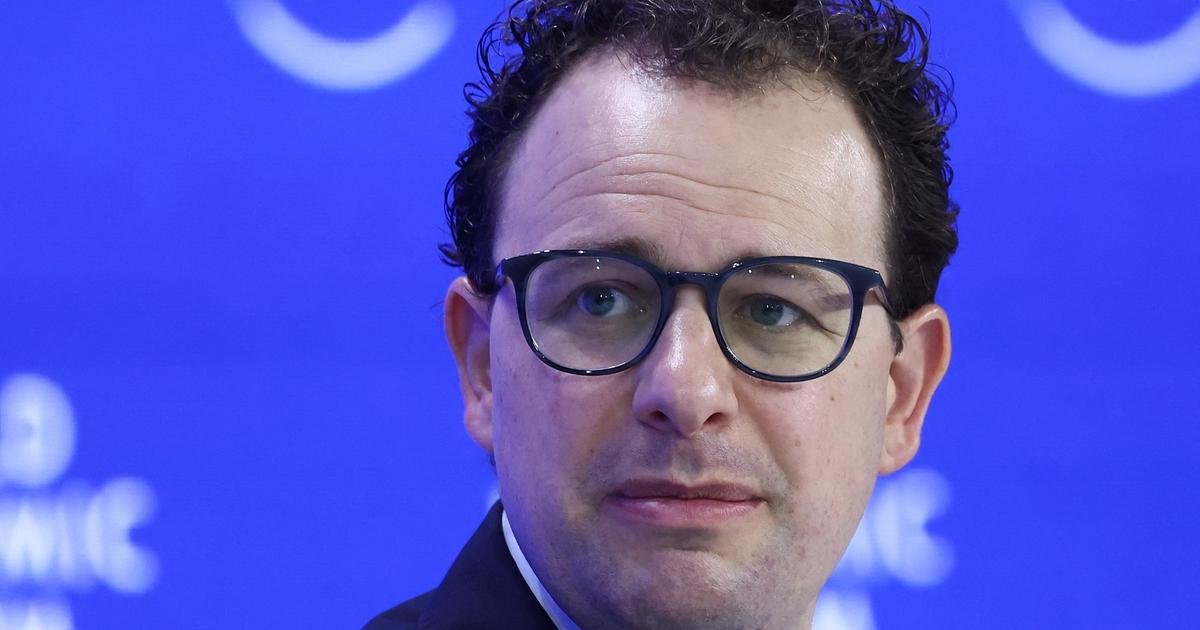
Alexander Berger arrived at the philanthropy now known as Coefficient Giving more than a decade ago to research global public health.
asserted
Berger → arrive → health
He was a bit skeptical of its focus on more novel issues like the risks posed by artificial intelligence.
asserted
He → pose → intelligence
But when a swarm of AI agents hacked developer hub Hugging Face in July, an organization that Coefficient helped get its start and continues to finance, Redwood Research, was one the two key outfits OpenAI brought in to analyze the breach.
asserted
OpenAI → hack → breach
Redwood, like Coefficient itself, is a new institution operating at a scale that’s rarely understood outside the small world of AI — but at a serious scale: Redwood received a $36 million grant from Coefficient last November.
asserted
Redwood → operate → Coefficient
“The evolution of the last couple years of progress in AI makes me feel like the early bets that we’ve made there have aged really well and look quite prescient,” Berger, who has been CEO of the organization since 2023, told me last week.
asserted
who → make → me
And creating guardrails for fast-moving artificial intelligence is “a really natural role for philanthropy to play, because it’s not something where government is going to move as fast,” he said.
asserted
he → create → intelligence
As for companies, “you don’t necessarily want them regulating themselves.”
asserted
them → want → themselves
Silicon Valley is on the brink of a philanthropic explosion that few there, and fewer outside California, have even begun to contemplate.
asserted
few → begin → California
This “third wave of American philanthropy,” Stripe’s Nan Ransohoff wrote in May, will flow primarily from planned Anthropic and OpenAI IPOs expected later this year; if they come off as planned, she estimated they’ll generate an estimated $370 billion in new philanthropic assets.
uncertain
they → write → assets
Coefficient Giving, a favorite of Anthropic executives, is expected to be one of the two main vehicles for this new philanthropy, along with the giant new OpenAI Foundation.
asserted
Giving → expect → Foundation
Coefficient, known in earlier versions as GiveWell Labs and Open Philanthropy, was launched in 2011 by the Facebook co-founder Dustin Moskovitz and his wife Cari Tuna, whose fortune has contributed most of the $7 billion the organization has given away so far.
asserted
organization → know → billion
Coefficient, which is on track to give away $2 billion this year, is already a major force in global public health and in animal welfare.
asserted
which → give → welfare
Its founders and many of its early employees were sympathetic to the utilitarian philosophical movement known as effective altruism.
asserted
founders → know → altruism
That affiliation helped put it years ahead of the curve on questions of AI safety — and has also helped make it a target for critics in the industry who believe safety fears are overstated.
asserted
fears → put → industry
“We’re just seeing exactly the stuff in the world manifest that my colleagues were predicting many years ago,” he said.
asserted
he → see → that
Here’s how Berger is thinking about this consequential moment in philanthropy.
asserted
Berger → think → philanthropy
This interview has been edited for clarity and brevity.
asserted
interview → edit → clarity
Ben Smith: Would this AI safety infrastructure, like Redwood, exist without philanthropic funding?
asserted
infrastructure → exist → funding
Alexander Berger: That specific infrastructure clearly would not exist without philanthropic support.
asserted
infrastructure → exist → support
There are now AI safety institutes at the governmental level in the US and UK and a bunch of other countries, but they’ve had a hard time keeping and retaining staff.
asserted
they → be → staff
So I think there’s a huge space for philanthropy to fund these public goods before the government is ready to regulate, building some of that infrastructure and technical expertise.
asserted
government → think → infrastructure
Those are also the kinds of people who could then get hired by the regulators down the line.
uncertain
who → hire → line
Let’s say Anthropic and OpenAI make it to their IPOs this year.
asserted
Anthropic → let → IPOs
Can you describe what the landscape of American philanthropy looks like then?
asserted
landscape → describe → philanthropy
If they spend as fast as Nan modeled — they’re spending 10% of assets a year, you’re talking about something in the ballpark of $40-ish billion dollars a year.
asserted
you → spend → dollars
It’s four or five Gates Foundations a year of annual spending, and so that’s a lot.
asserted
that → ’ → spending
But at the same time, it’s less than 10% of total US philanthropy.
asserted
it → ’ → philanthropy
Do you have a sense from talking to your potential donors of how big Coefficient is likely to be?
asserted
Coefficient → have → donors
Last year, we were about 10% of a Gates Foundation, and so far this year, we’ve spent more than twice as much as last year.
asserted
we → spend → year
We’re not going to get 50% of the Gates Foundation this year.
asserted
We → go → Foundation
I think we have basically no idea what the future would bring on this stuff because [Anthropic’s donors are] just bunch of individuals.
asserted
donors → think → individuals
There’s obviously hostility between the CEOs of Anthropic and OpenAI, and some impression that you guys are the “Anthropic Foundation.”
asserted
guys → ’ → Anthropic
We’re definitely not the Anthropic Foundation.
asserted
We → ’re → ?
I don’t think we have the same personal stakes in those discussions as the other players.
asserted
we → think → players
We try to be collegial and share notes, and then I do think we overlap a bunch in sort of issue area selection with the OpenAI Foundation.
asserted
we → try → Foundation
AI resilience is one of their big areas, and that’s a place where we funded a lot.
asserted
we → ’ → lot
They hired away my colleague Jacob Trefethen to lead their work on AI for disease prevention and treatment, and that’s a space where we’re also continuing to invest and compare notes.
asserted
we → hire → notes
A lot of initial issue areas overlap, and we’ll see how it evolves over time.
asserted
it → overlap → time
I think we’ve learned a lot from them over the years, and Cari and Dustin were early Giving Pledge signatories.
asserted
Cari → think → years
Gates just is obviously the huge player in global health philanthropy to learn from.
asserted
Gates → learn → philanthropy
…and 27 more, not listed.
 The Aporia