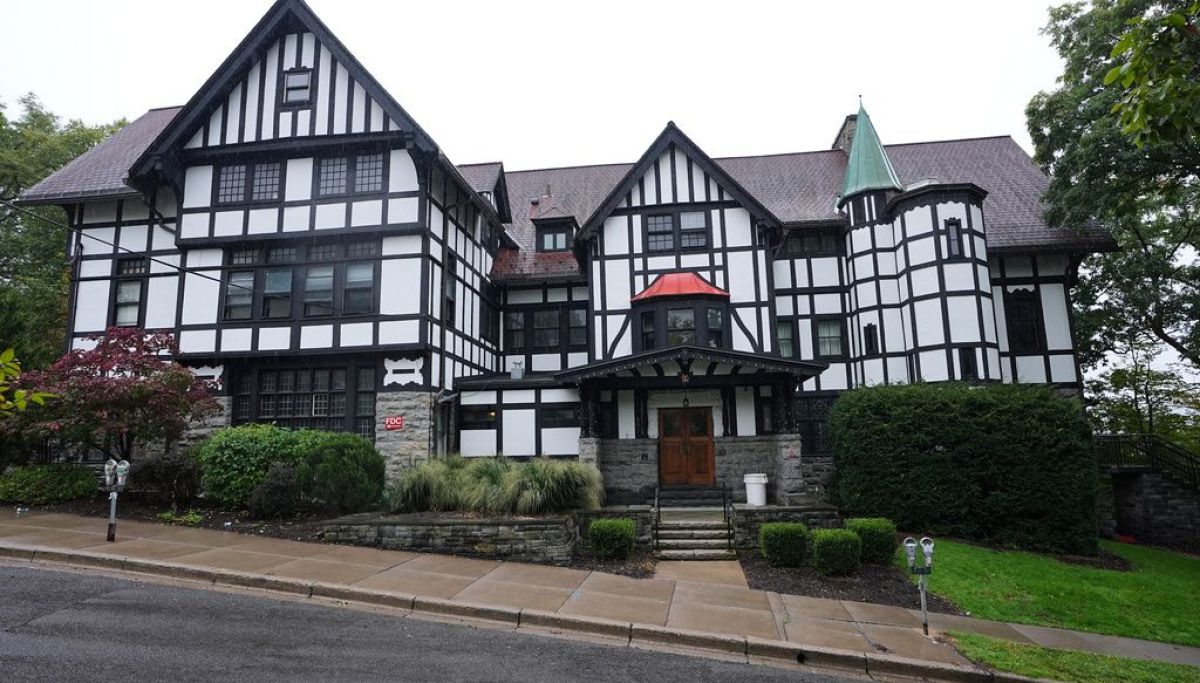
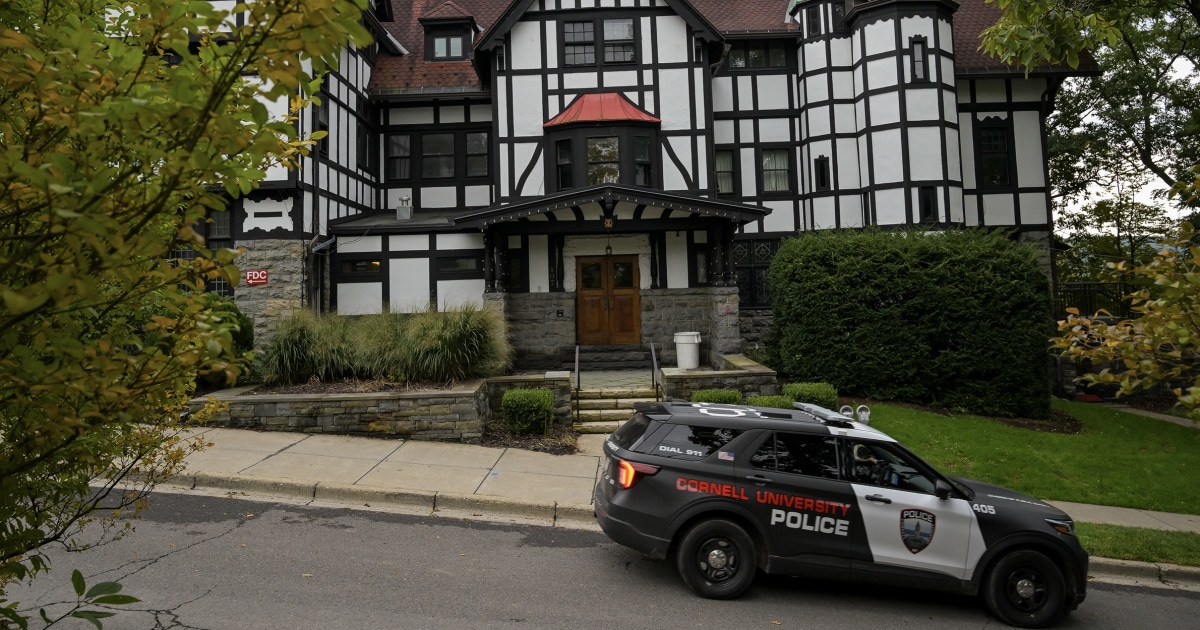
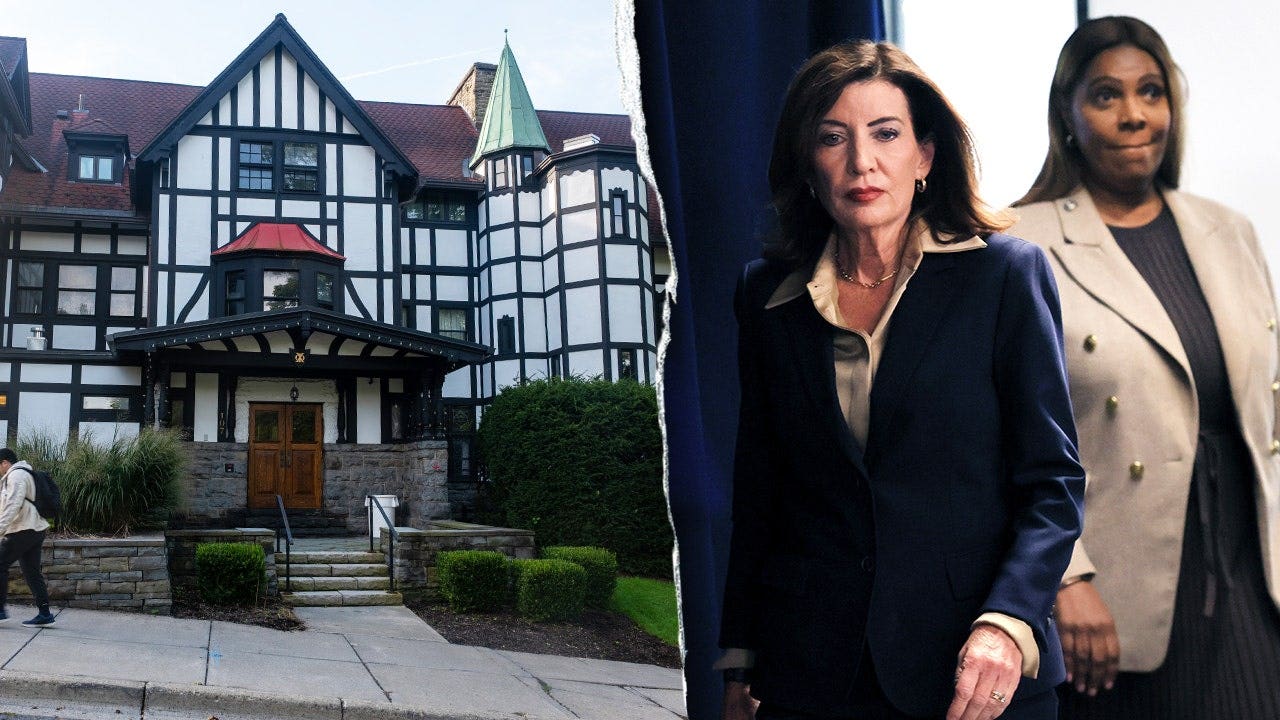
Last month, a woman identified as Jane Doe filed a lawsuit against Cornell University, the fraternity Chi Phi and the seven fraternity members she accused of gang-raping her on the night of October 19, 2024.
asserted
she → identify → October
Her allegations have triggered a nationwide reckoning in the United States over the prevalence of sexual assault on college campuses.
asserted
allegations → trigger → campuses
Recommended Stories
list of 3 items- list 1 of 3Cornell rape allegations renew push to change New York sexual assault law
- list 2 of 3‘I want the truth’: NY governor appoints prosecutor in Cornell rape case
- list 3 of
asserted
governor → renew → case
3Cornell president vows transparency amid outrage over fraternity rape case
But the case has also reignited efforts to reform laws in the state of New York.
asserted
case → vow → York
While the left-leaning state has long presented itself as a leader in women’s rights, advocates say sexual assault survivors still face pervasive legal barriers when they seek justice.
asserted
they → lean → justice
Erica Vladimer, a lawyer and founding director of Harassment-Free New York, a survivor-led nonprofit, told Al Jazeera that much of the legislation currently in the spotlight is the culmination of years, if not decades, of work.
asserted
much → found → work
“These are bills that we have been fighting for for years when sexual violence is not in the news,” Vladimer said.
asserted
Vladimer → fight → news
She drew a line between the #MeToo movement, which began in 2017 as an online campaign to denounce sexual misconduct, and the current wave of outrage following Doe’s allegations.
asserted
which → draw → allegations
“It speaks to the fact that the #MeToo movement is not dead.
asserted
movement → speak → fact
It is a movement, not a moment,” Vladimer said.
asserted
Vladimer → say → ?
Already, leaders in Albany, the state capital, have signalled they would take action following the Cornell case.
asserted
they → signal → case
On Wednesday, the New York Assembly announced it had formed a working group to examine the state’s sexual-assault laws and develop recommendations for the 2027 legislative session.
asserted
it → announce → session
Still, advocates say more concrete measures are needed to address the crisis.
asserted
measures → say → crisis
“I appreciate that this work is happening,” said Lindsey Boylan, a New York City Council candidate.
asserted
Boylan → appreciate → ?
“It doesn’t undo the fact that rape culture is pervasive in the United States and very much so alive and well in New York.”
asserted
culture → undo → York
Boylan was the first woman to publicly accuse former New York Governor Andrew Cuomo of sexual harassment in another high-profile misconduct case, back in 2020.
asserted
Boylan → accuse → 2020
She is among those calling for greater reform.
asserted
She → call → reform
Here are some of the measures advocates are pushing state lawmakers to adopt or amend:
asserted
advocates → push → lawmakers
The Cornell University case has brought renewed attention to New York’s “voluntary intoxication” statute, a legal loophole that can make it harder to prosecute sexual assault when a person has willingly consumed alcohol or drugs.
asserted
person → bring → alcohol
New York Governor Kathy Hochul pledged on Friday to work with lawmakers to close the gap.
“It should not matter whether they chose to use drugs or alcohol.
asserted
they → pledge → drugs
Period,” Hochul said.
asserted
Hochul → say → ?
Under the current state law, a person who voluntarily drinks or takes drugs is not considered “mentally incapacitated” during an assault, even if they become too intoxicated to consent.
asserted
they → drink → assault
That can make it harder for prosecutors to bring a sex-crime charge.
asserted
prosecutors → make → charge
The law primarily recognises incapacitation in the context of sexual assault when a person was involuntarily intoxicated, unconscious or otherwise “physically helpless”.
asserted
person → recognise → assault
That distinction has become central to the Cornell case.
asserted
distinction → become → case
Doe has acknowledged that she consumed substances before the alleged rape, saying that she was pressured into drinking alcohol and taking the dissociative drug ketamine.
asserted
she → acknowledge → drug
The Tompkins County district attorney initially declined to bring charges, pointing to the law’s stance on “voluntary intoxication”.
asserted
attorney → decline → intoxication
But the investigation has since been reopened, amid public pressure.
asserted
investigation → reopen → pressure
New York is one of 19 states in the US that distinguish between “voluntary” and “involuntary” intoxication when it comes to determining consent in sexual violence cases.
asserted
it → distinguish → cases
But the Cornell case has spurred a push to remove the distinction from the law books.
asserted
case → spur → books
Critics have argued that sexual assault is no less grievous if a victim is drunk or has chosen to take drugs.
asserted
victim → argue → drugs
“I mean, to have New York, a supposedly progressive state, penalise people who are sexually abused for drinking is disgusting,” Boylan told Al Jazeera.
asserted
Boylan → mean → Jazeera
Vladimer, for her part, explained that distinguishing between “voluntary” and “involuntary” intoxication as a means for pursuing sexual assault cases shifts the focus onto the actions of victims, rather than perpetrators.
asserted
distinguishing → explain → perpetrators
“We essentially have codified victim-blaming by saying if you become voluntarily intoxicated and then are sexually assaulted, you essentially cannot seek justice in our court system,” Vladimer told Al Jazeera.
asserted
Vladimer → codify → Jazeera
In June, the New York state Senate unanimously passed a bill to allow sexual assault charges regardless of whether a victim is intoxicated voluntarily or involuntarily.
asserted
victim → pass → charges
But the legislation has yet to be taken up in the state Assembly.
asserted
legislation → have → Assembly
The rape-shield gap
New York’s rape-shield protections limit the use of evidence about a complainant’s sexual history and conduct in criminal proceedings.
asserted
protections → limit → proceedings
But those protections do not currently extend to civil cases.
asserted
protections → extend → cases
This distinction could matter in the Cornell case because Doe filed a civil lawsuit.
uncertain
Doe → matter → lawsuit
Vladimer said questions about a survivor’s behaviour could come up in the discovery process of a civil case, as well as in court.
uncertain
questions → say → court
…and 32 more, not listed.
 The Aporia