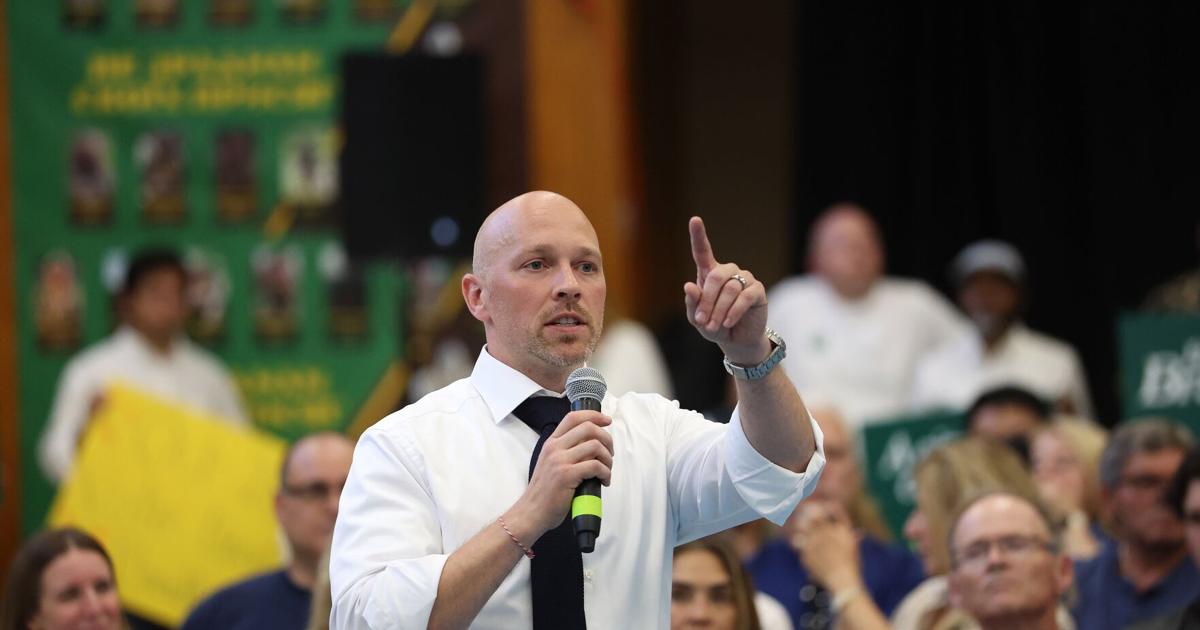
Brad Bradford wants Toronto voters to believe that with mandatory addiction treatment, he will solve the problems of the overdose crisis, open public drug use and homelessness.
asserted
he → want → crisis
He hopes the stern word “mandatory” will appeal to those who are frustrated with visible drug use.
asserted
who → hop → use
Bradford is touting a simplistic approach to a complex problem.
asserted
Bradford → tout → problem
It won’t solve Toronto’s challenges around drug addiction.
asserted
It → solve → addiction
For thirteen years, I have cared for people who use drugs in Toronto.
asserted
who → care → Toronto
One of the prevailing tensions in my work is: every day, I see people making choices I disagree with and that harm their own health.
asserted
that → prevail → health
I try to understand where those decisions come from and offer medical treatments that support better options.
asserted
that → try → options
One might ask: ‘Can’t you just tell people to stop using drugs, and force them to do it?’
uncertain
you → ask → it
Despite having been tried, it is not well supported by the scientific literature.
asserted
it → try → literature
In the U.S., where it is sometimes called ‘civil commitment’, one study showed that a third of people relapsed on the same day of their release.
asserted
third → call → release
A study in Sweden, where about a thousand persons per year are committed to compulsory care for up to six months, showed a very high risk of dying in the two weeks after discharge.
asserted
persons → commit → discharge
A California study showed that, while mandated treatment increases the likelihood of treatment completion in the short term, it does not reduce relapse in the long term.
asserted
it → show → term
A McMaster University review of 51 studies concluded that health outcomes are worse with involuntary compared to voluntary treatment, and points to concerns around violence and violation of human rights.
asserted
outcomes → conclude → rights
In medicine we often weigh costs and benefits.
asserted
we → weigh → costs
The cost of implementing Bradford’s blunt declaration, “Toronto needs mandatory addiction treatment,” would be to compromise people’s Charter rights, while the medical literature tells us not to expect much benefit, and that we may simply cause harm.
uncertain
we → implement → harm
What should be mandatory is that the combined levels of government should offer the full range of resources needed to help people who use drugs.
asserted
who → combine → drugs
While the evidence for mandated treatment is not good, the evidence for treatment of some addictions — such as opioids and alcohol, is strong.
asserted
evidence → mandate → opioids
Despite Bradford’s assertion that people need to wait 72 days to be seen in a HART hub, outpatient addiction medicine care is available in many clinics in Toronto on a same day basis without appointment.
asserted
care → need → appointment
I know because I run a clinic that offers this level of access.
asserted
that → know → access
Part of what Bradford objects to strongly, and rightfully so, is seeing our fellow citizens suffering on the street.
asserted
citizens → object → street
He says, “I can’t hold my daughter’s hand and step around a human being laying unconscious on the sidewalk and pretend that that’s acceptable.”
asserted
that → say → sidewalk
None of us should ignore the suffering in our city.
asserted
None → ignore → city
To address this suffering, we should be clear on what is needed.
asserted
what → address → suffering
While access to outpatient care has improved in the past decade, overnight stays in detoxification facilities are harder to get.
asserted
stays → improve → facilities
People are told to call back every day.
asserted
People → tell → ?
Private residential drug treatment facilities can often accommodate private-paying patients within weeks while they have waiting lists of months for publicly funded spots.
asserted
they → accommodate → spots
Bradford says we need to “commit to at least 100 recovery house beds in Toronto.”
asserted
we → say → Toronto
This number seems unrelated to the actual scope of the problem.
asserted
number → seem → problem
Count of People Experiencing Homelessness concluded that on Oct. 22, 2025, 12,196 people were experiencing homelessness.
asserted
people → experience → homelessness
Of those, 7 per cent, or 853 people self-identified “substance use issue” as the reason for housing loss.
asserted
cent → identify → loss
So, there are 8.5 times the number of people who need housing due to a “substance use issue” as there are proposed recovery house beds in Bradford’s plan.
asserted
who → be → plan
Housing is something people need for the duration of their lives, not the duration of a drug-treatment program.
asserted
people → need → program
In our wealthy city, shelters are so full that people sleep on TTC buses or outside in the winter.
asserted
people → sleep → winter
They are not sleeping in the parks to inconvenience park-goers.
asserted
They → sleep → goers
They have nowhere else to go.
asserted
They → have → nowhere
Getting affordable housing in Toronto can mean waiting for years.
asserted
Getting → get → years
While unhoused, it is impossible to attend school or work and a person becomes more deeply alienated from the rest of society.
asserted
person → attend → society
Soon, some people’s social circles are composed entirely of unhoused persons who use drugs.
asserted
who → compose → drugs
No one says this is what they want.
asserted
they → say → what
People tell me they want a ‘normal’ life, but some people can’t find a way to get there.
asserted
people → tell → way
…and 17 more, not listed.
 The Aporia