- Published
The fear of becoming surplus to requirements because of advancements in AI is one shared by millions of workers, but are AI recruitment tools posing a specific threat to women trying to return to employment?
asserted
tools → publish → employment
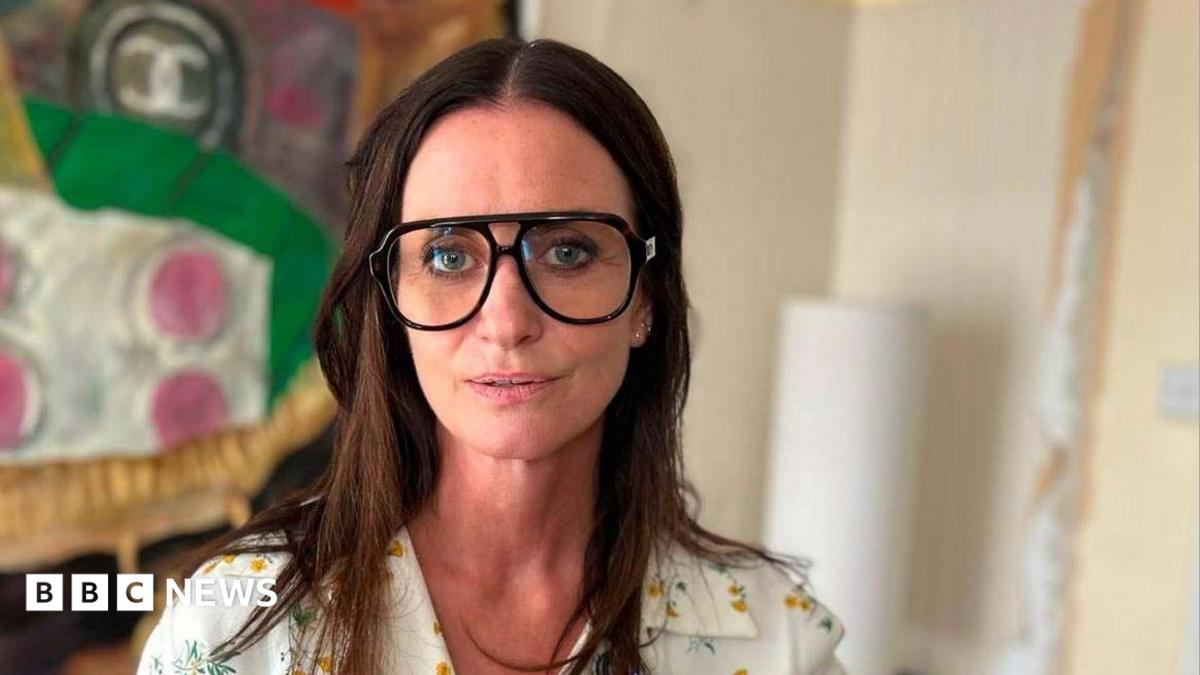
After a career spanning decades, with senior corporate roles in fashion, and a period of freelancing, 52-year-old Stacey Duguid decided to find "one last job".
asserted
Duguid → span → job
What followed was 16 months of sending "gazillions" of CVs, with little more than a handful of automated replies, despite never previously struggling to find work.
asserted
followed → follow → work
Feeling "lonely and shameful" and wondering if it was a "me problem", she posted on social media asking whether other women her age were having the same experience.
asserted
women → feel → experience
The response was overwhelming, with thousands of women saying they were facing similar struggles.
asserted
they → say → struggles
Stacey, who lives in north London, believes AI-powered recruitment tools could be contributing to the problem and has "Botoxed" her CV by removing references to her age and experience.
uncertain
tools → live → age
"AI holds a mirror up to society.
asserted
AI → hold → society
It's a reflection of our bias," she said.
asserted
she → say → bias
"I'm not saying this is just a women's issue; I've had messages from men too.
asserted
I → say → men
"
Confidence 'taken a hit'
asserted
Confidence → take → hit
The BBC has since spoken to more than 60 women aged 40 to 65 across a range of industries who have been struggling to find work.
asserted
who → speak → work
Most have decades of experience in senior roles and say they've submitted countless CVs, only to receive automated rejections or no response at all.
asserted
they → have → rejections
Like Stacey, many believe AI recruitment tools are playing a role.
asserted
tools → believe → role
Koeyli Jaluka, 49, has held senior roles across manufacturing, corporate and healthcare.
asserted
Jaluka → hold → manufacturing
For the last 10–12 years I've been headhunted.
asserted
I → headhunte → years
Now I'm hunting for jobs and being relentlessly rejected."
Made redundant nine months ago, she's applied for 442 jobs and has heard back in only a few cases.
asserted
she → hunt → cases
She's occasionally been told she's "too senior" – which she believes is "code for old".
asserted
she → tell → old
Despite two decades of experience and two degrees, she says her confidence has "taken a hit".
asserted
confidence → say → hit
She believes tighter budgets, AI screening and increasingly narrow hiring criteria are all contributing.
asserted
budgets → believe → ?
"A lot of us have been told by career coaches to shave off the first 10 years of work on our CVs just to ensure we don't come across as having worked for too long.
asserted
we → tell → long
"
'I'm on jobseeker's allowance'
Anna Cowie, 52, had a 30-year career in advertising but has been unemployed for almost four years.
asserted
Cowie → have → years
She's lost count of the number of CVs she's sent, despite having never previously been without a job.
asserted
she → lose → job
After decades of working for big brands, most recently helping to launch the new Battersea Power Station, she's now on jobseeker's allowance.
asserted
she → work → allowance
Anna has turned to volunteering for community festivals, and has found networking with real people a much more promising approach.
asserted
networking → turn → people
"You're seen as a human and not just lines on paper.
asserted
You → see → paper
While it is impossible to know in many cases whether AI tools played a role in a screening or a rejection because employers rarely disclose details of their recruitment processes, there are widespread fears that AI recruitment tools are disadvantaging mid-life women, external.
asserted
tools → know → women
The City of London Women Pivoting to Digital Taskforce, which focuses on women in the financial and professional services sector, has raised concerns, external about the growing use of AI in recruitment and its impact on women.
asserted
which → pivot → women
Chair Caroline Haines said the taskforce's research found significant concern that AI used to screen job applications and CVs does not recognise the skills many experienced women can bring.
asserted
women → say → skills
"There is a high level of concern that AI at initial recruitment level... doesn't account for the skills of a vast body of women that could be very effective and therefore promote economic growth," she said.
uncertain
she → be → growth
For example, women who have taken time out of work for childcare may have gaps in their CVs that some AI screening systems could interpret negatively.
uncertain
systems → take → that
In terms of the bigger picture, the taskforce estimates AI and automation could displace hundreds of thousands of women's jobs by 2035.
uncertain
AI → estimate → 2035
Using data from Market and skills projections: 2020 to 2035, Department for Education, external, the taskforce estimates that without significant investment in retraining, firms could face more than £750m in severance costs.
uncertain
firms → use → costs
In the digital taskforce's recent survey, external of over 1,000 women, 68% said they had not been given the opportunity by their employer to retrain or transition into digital roles.
"When the country is desperate for economic growth, we need to use whatever resource we have, and the resource of women who are mid-career, mid-experience.
asserted
who → say → women
If they drop out of the market there are huge repercussions," Haines said.
asserted
Haines → drop → market
The BBC understands that some London-based companies have stopped using AI tools for fear of bias in their recruitment.
asserted
companies → understand → recruitment
Laura Holden, an AI lawyer and founder of the Bonsai AI and legal consultancy, said companies often do not understand how the tools work, which has the potential to cause "significant harm".
asserted
which → say → harm
She argued it is difficult to determine whether there is bias because "there is a lack of regulation globally that requires providers to show how their tools work".
asserted
tools → argue → providers
She pointed to CV screening tools and AI-scored interviews as examples of where bias can emerge.
asserted
bias → point → examples
One tool, she said, grades CVs from A to D, encouraging recruiters to prioritise higher-ranked candidates.
asserted
she → say → candidates
Others flag factors such as a seven-year career gap as a "thing to note", potentially influencing decisions unfairly.
asserted
Others → flag → decisions
…and 20 more, not listed.
 The Aporia